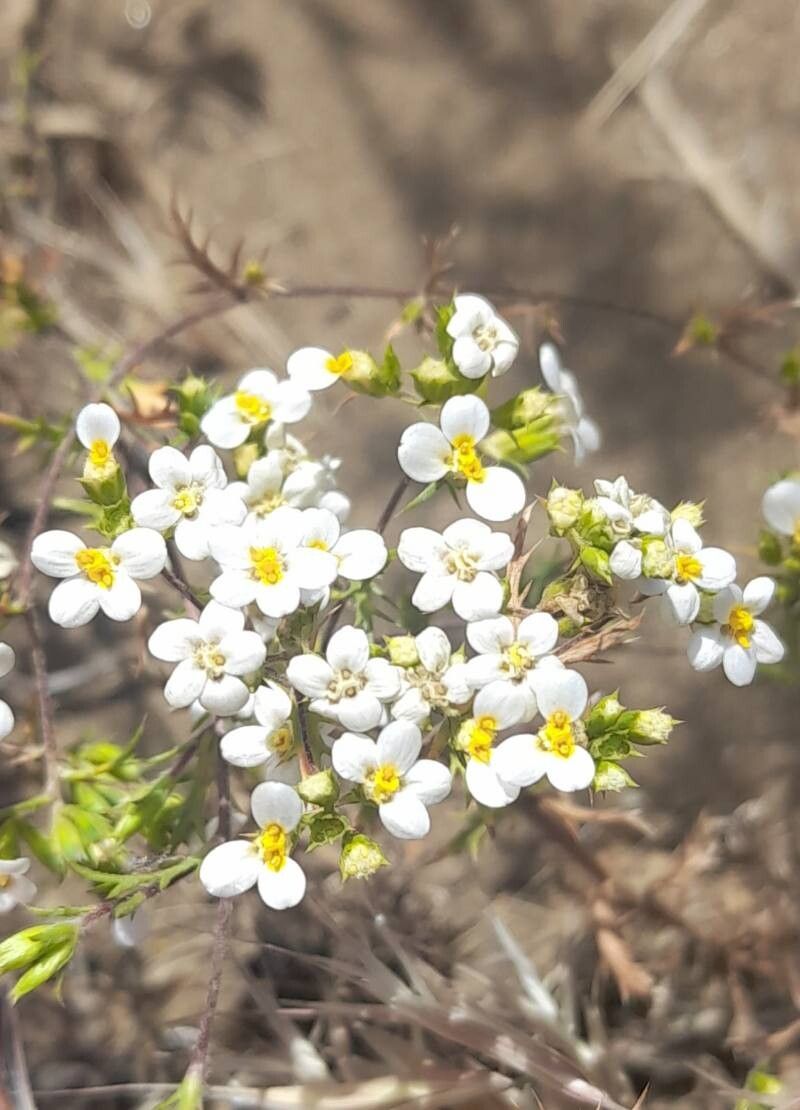
Hello there, fellow plant enthusiasts! Today, I want to chat about a truly special bloom: Triptilion achilleae. You know the one, with its delicate, airy flower heads that look like little spun-sugar stars floating on wispy stems. It’s a plant that brings an immediate touch of whimsy and grace to any garden border or mixed arrangement. And the best part? It’s wonderfully rewarding to grow your own Triptilion from cuttings! Now, is it a beginner-friendly plant to propagate? I’d say it’s moderately easy. A little attention to detail goes a long way, and once you get the hang of it, you’ll be eager to fill your garden with these beauties.
The Best Time to Start
For the highest success rate with Triptilion achilleae, I find that late spring to early summer is absolutely prime time. This is when the plant is actively growing and has plenty of energy to put into developing new roots. You want to take cuttings from healthy, vigorous stems that haven’t yet flowered, or just as their first buds are forming. Avoid taking cuttings from plants that are stressed or looking a bit tired.
Supplies You’ll Need
To get your Triptilion propagation party started, here’s what you should gather:
- Sharp, clean pruning shears or a sharp knife: Cleanliness is key to preventing disease.
- Rooting hormone (optional but recommended): This is like a little booster shot to encourage root development. Look for one formulated for stem cuttings.
- Small pots or seedling trays: About 3-4 inches in diameter is perfect. Make sure they have drainage holes!
- A well-draining potting mix: I like a blend of equal parts peat moss or coco coir, perlite, and fine bark chips. This ensures good aeration and prevents sogginess. A pre-made seed-starting mix will also work.
- Plastic bags or a propagation dome: To create a humid environment for your cuttings.
- A mister or small watering can with a fine rose: For gentle watering.
- Labels and a marker: To keep track of what you’ve planted.
Propagation Methods: Bringing New Life to Your Triptilion
There are a couple of ways to go about this, but my go-to for Triptilion achilleae is stem cuttings. It’s efficient and generally yields great results.
Stem Cuttings:
- Gather Your Cuttings: With those clean shears, select healthy stems from your mature plant. You’re looking for pieces that are about 4-6 inches long. Make your cut just below a leaf node (where a leaf attaches to the stem). This is where the magic of root formation often happens.
- Prepare the Cuttings: Gently remove the lower leaves from the cutting, leaving just a few at the very top. This reduces moisture loss and prevents leaves from rotting in the soil or water. If your cutting is particularly large, you can even snip off half of each remaining leaf to further reduce transpiration.
- Apply Rooting Hormone (If Using): Dip the cut end of the stem into your rooting hormone powder. Tap off any excess.
- Plant Your Cuttings: Fill your small pots or trays with your prepared potting mix. Make a little hole with your finger or a pencil. Gently insert the cutting into the hole, ensuring the leaf nodes that will be below the soil surface are making good contact. Firm the soil gently around the cutting.
- Water Gently: Water the soil thoroughly but carefully until water drains from the bottom.
- Create a Humid Environment: This is crucial! Cover the pot with a plastic bag, pulling it over the top to create a mini-greenhouse effect, or place it under a propagation dome. Make sure the plastic doesn’t directly touch the leaves of the cuttings.
The “Secret Sauce”
Here are a couple of tricks I’ve learned over the years that really seem to help Triptilion cuttings thrive:
- Bottom Heat is Your Friend: If you have them, placing your pots on a gentle heating mat can dramatically speed up root development. The warmth encourages the plant to send out those roots much faster than it would at room temperature alone. Aim for a consistent temperature around 70-75°F (21-24°C).
- Watch for Condensation, Not Drip: When you check on your cuttings under the plastic, you should see condensation on the inside of the bag. This tells you the humidity is good. However, if you see large water droplets pooling and dripping, it’s a sign that things are a bit too wet, which can lead to rot. You might need to open the bag for a little while
Resource:
https://identify.plantnet.org/k-world-flora/species/Triptilion%20achilleae%20DC./data