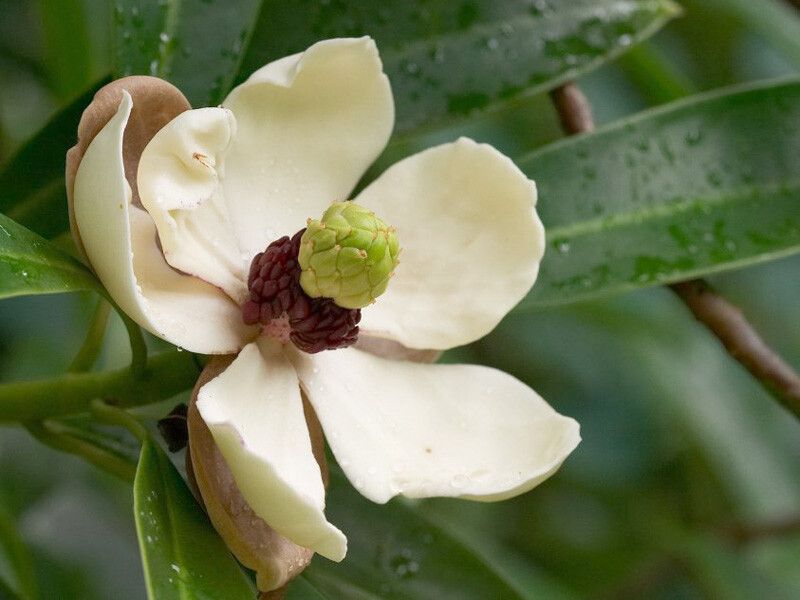
Well hello there, fellow plant lover! I’m so glad you’ve found your way here. Today, we’re diving into something truly special: propagating Magnolia fordii. Isn’t it just a dream? Those stunning, goblet-shaped flowers that appear before the leaves even unfurl – pure magic! Getting to witness a new plant spring to life from a tiny piece of its parent is one of the most rewarding gardening experiences, if you ask me. Now, is Magnolia fordii a walk in the park for a complete beginner? Honestly, it can be a little on the trickier side, but don’t let that deter you! With a bit of patience and these tips, you’ll be well on your way.
The Best Time to Start
Timing is everything in the garden, and with Magnolia fordii, we’re looking for a specific sweet spot. The most successful time to take cuttings is during the late spring or early summer, once the plant has finished its spectacular spring bloom and is entering a period of active vegetative growth. You’ll want to select stems that are semi-hardwood. This means they’re not completely flexible and green like new growth, nor are they woody and rigid like old branches. They should snap cleanly when bent, with a bit of give.
Supplies You’ll Need
Before we get our hands dirty, let’s gather our arsenal. Having everything ready makes the process so much smoother:
- Sharp Pruning Shears or a Hobby Knife: Clean cuts are crucial for healthy propagation.
- Rooting Hormone: Not strictly essential for all plants, but it gives Magnolia fordii a significant boost. I prefer a powder or gel.
- Potting Mix: A well-draining mix is non-negotiable. A good blend is equal parts peat moss (or coir), perlite, and a bit of compost.
- Small Pots or Propagation Tray: Clean pots are a must to prevent disease.
- Plastic Bag or Propagator: This creates a humid environment for your cuttings.
- Watering Can or Spray Bottle: For gentle watering.
- Optional: Bottom Heat Mat: This can significantly speed up root development in cooler climates.
Propagation Methods
We’ll focus on the most reliable method for Magnolia fordii: stem cuttings.
- Gather Your Cuttings: On a cool, overcast morning (this helps prevent wilting), select healthy, semi-hardwood stems from your mature Magnolia fordii. Look for stems that are about pencil-thick and have developed at least one or two sets of leaves.
- Prepare the Cuttings: Using your sharp shears or knife, take cuttings that are 6 to 8 inches long. Remove any flowers or developing buds immediately – we want the plant’s energy focused on root production, not reproduction.
- Make the Cut: At the bottom of the cutting, make a clean cut just below a leaf node. This is where roots are most likely to emerge.
- Prepare the Leaves: You’ll want to remove the lower leaves, leaving just one or two at the top. If the remaining leaves are very large, you can cut them in half horizontally. This reduces water loss through transpiration.
- Dip in Rooting Hormone: Briefly dip the cut end of the stem into water, then into your rooting hormone, tapping off any excess.
- Plant Your Cuttings: Gently insert the treated end of the cutting into your prepared potting mix. Make sure it’s firm enough to stand on its own, but not compacted. You can plant several cuttings in a single pot or tray, ensuring they don’t touch each other.
- Create a Humid Environment: Water the soil gently until it’s moist but not waterlogged. Then, cover the pot or tray with a clear plastic bag or place it in a propagator. Make sure the plastic doesn’t touch the leaves. You can use stakes to prop it up if needed.
- Provide Light and Warmth: Place your cuttings in a bright spot, but out of direct sunlight. Bottom heat from a mat can be a game-changer here, keeping the soil temperature consistently around 70-75°F (21-24°C).
The “Secret Sauce” (Pro Tips)
Here are a few tricks I’ve learned over the years that can really help your Magnolia fordii cuttings thrive:
- Don’t Be Afraid to Be Ruthless with Foliage: As I mentioned, reducing leaf surface is key. If you have a cutting with large leaves, don’t just cut off the lower ones. Slice those top two leaves in half diagonally. It looks a bit drastic, but it dramatically improves your chances by reducing the plant’s water demand.
- Bottom Heat is Your Friend: I can’t stress this enough for magnolias! While some plants are happy with room temperature, magnolias benefit immensely from consistent bottom warmth. It encourages those crucial root cells to form much faster and more reliably.
- Scrape for Success (Carefully!): For the slightly more adventurous, a little trick is to lightly scratch or scrape off a thin sliver of bark about ½ inch long on one side of the stem, just above the cut end. This can expose more of the cambium layer, often stimulating more vigorous root growth. Do this before dipping in rooting hormone. Be gentle – you’re not trying to peel the whole stem!
Aftercare & Troubleshooting
Once your cuttings are nestled in, keep them consistently humid and out of direct sun. Check the soil moisture regularly; it should feel damp to the touch, but never soggy. After about 4-8 weeks, you can gently give your cuttings a very slight tug. If you feel resistance, that’s a good sign roots are forming! You can also peek at the drainage holes – sometimes you’ll see white root tips.
If things aren’t looking so good, the most common culprits are:
- Rot: This is usually a sign of overwatering and poor drainage. The stems will turn mushy and discolored. Ensure your mix is super airy and don’t let them sit in water.
- Wilting: This can be from lack of humidity (check that plastic cover and mist if needed) or too much sun.
- No Rooting: Patience is paramount here. Sometimes it just takes longer. If cuttings are still firm but showing no signs of roots after several months, they might just need more time, or perhaps they didn’t get enough warmth or rooting hormone.
Once you have a good network of roots, gradually acclimate your new plant to its environment. Start by opening the plastic bag for a few hours each day, then remove it. When the roots are well-established, you can transplant them into slightly larger pots.
A Encouraging Closing
Propagating Magnolia fordii is a journey, not a race. There will be moments of doubt, and maybe a failed attempt or two. But every single gardener has been there! Don’t get discouraged. Celebrate the small victories, learn from any setbacks, and most importantly, enjoy the magic of nurturing new life. Soon enough, you’ll have your very own garden of these magnificent magnolias. Happy propagating!
Resource:
https://identify.plantnet.org/k-world-flora/species/Magnolia%20fordiana%20(Oliv.)%20Hu/data