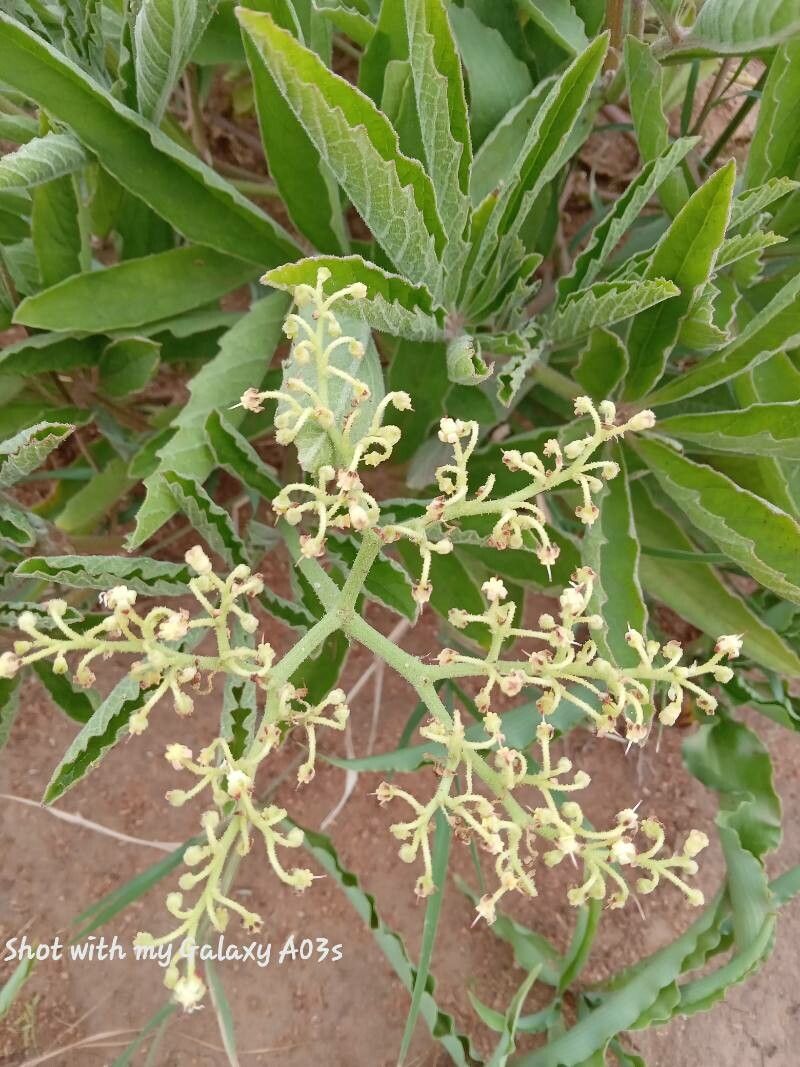
Hello, fellow plant lovers! Today, we’re diving into the wonderful world of Cyphostemma serpens. If you’re looking for a plant that brings a touch of the exotic to your home with its trailing vines and intriguing succulent leaves, then you’re in for a treat. I’ve always found this plant to be a stunner, and what’s even better is how satisfying it is to multiply it yourself! While it might seem a little more boutique than a common pothos, I find Cyphostemma serpens to be surprisingly approachable for propagation, even for those of you who are just starting your green-thumb journey. It’s a real confidence booster!
The Best Time to Start
For the highest chance of success, I always aim to propagate Cyphostemma serpens during its active growing season. This typically falls in late spring or early summer. The plant is energized, producing new growth, and has plenty of vigor to channel into developing roots. Trying to propagate when the plant is resting, usually in the cooler, darker months, can lead to slower results and a higher risk of rot, as the cuttings just don’t have the energy to get going.
Supplies You’ll Need
To get started, gather these bits and bobs:
- Sharp pruning shears or a clean knife: For making clean cuts.
- A well-draining potting mix: I like a blend of cactus/succulent mix with a bit of perlite for extra aeration.
- Small pots or trays: Whatever you have on hand will work.
- Rooting hormone (optional but recommended): This can give your cuttings a little extra nudge.
- Water: For hydration.
- A spray bottle: For misting.
- A clear plastic bag or propagator lid: To create a humid environment.
Propagation Methods
My absolute favorite way to propagate Cyphostemma serpens is through stem cuttings. It’s efficient and yields noticeable results.
- Select healthy stems: Look for a healthy, mature stem that has at least two or three leaf nodes. Nodes are those little bumps where leaves emerge. This is where the magic happens, as roots will sprout from them.
- Make the cut: Using your clean shears, make a cut just below a leaf node. You want a cutting that’s about 4-6 inches long.
- Remove lower leaves: Gently pull off any leaves from the bottom half of the cutting. This prevents them from rotting when they’re in the soil or water.
- Apply rooting hormone (optional): If you’re using rooting hormone, dip the cut end into it. Tap off any excess.
- Plant your cuttings:
- In Potting Mix: Fill your small pots with your well-draining mix. Make a small hole with your finger or a pencil and insert the cutting, ensuring at least one node is buried in the soil. Gently firm the soil around the base.
- In Water: You can also place your cuttings in a glass of water. Make sure the nodes are submerged, but don’t let the leaves touch the water; this is where rot can start!
- Create a humid environment: Water the soil lightly if you’ve potted them. Then, cover the pots with a clear plastic bag or a propagator lid. This will trap humidity, which is crucial for cuttings to root. If you’re water propagating, just leave them in the open, but keep an eye on the water level.
The “Secret Sauce” (Pro Tips)
Here are a couple of tricks I’ve learned over the years that can really boost your propagation success:
- Embrace the “Air Layer” Whisper: Before I even cut a stem, I sometimes like to gently nick the stem just above a node and wrap it with some moist sphagnum moss, then secure it with cling film. This encourages rooting while the cutting is still attached to the mother plant. Once roots are visible through the moss, I’ll then carefully cut below the new roots and pot it up. It’s a bit more involved, but the success rate is fantastic!
- Bottom Heat is Your Friend: If you find your cuttings are taking their sweet time, consider a little gentle warmth from below. A seedling heat mat set to a low setting can significantly speed up root development and is particularly helpful if your home is on the cooler side.
Aftercare & Troubleshooting
Once you’ve planted your cuttings, patience is key! Keep the soil consistently lightly moist – not waterlogged. If you’re using the plastic bag method, open it up for a few hours each day to allow for air circulation and prevent fungal issues. You should start to see signs of new growth, like tiny leaves appearing, within 3-6 weeks.
The most common problem you’ll encounter is rot. If your cutting turns mushy, black, or starts to fall apart, it’s likely rotted. This is usually due to overwatering or poor air circulation. Unfortunately, once it starts, it’s hard to save. If you catch it early, you can try cutting away the rotted part and repotting the healthy section, but it’s often a lost cause.
When new roots have formed and you can gently tug on the cutting without it pulling out easily, or you see significant new growth, it’s time to transition them. Gradually remove the plastic bag over a week or so to acclimatize them to lower humidity. You can then treat them like a small, established plant.
A Little Patience Goes a Long Way
Propagating Cyphostemma serpens is a wonderfully rewarding way to expand your plant collection or share these unique beauties with friends. Don’t get discouraged if your first attempt isn’t perfect. Gardening is a learning journey, and observing how your cuttings respond is part of the fun. Keep at it, enjoy the process, and soon you’ll have a whole new batch of these captivating vines to admire! Happy propagating!
Resource: