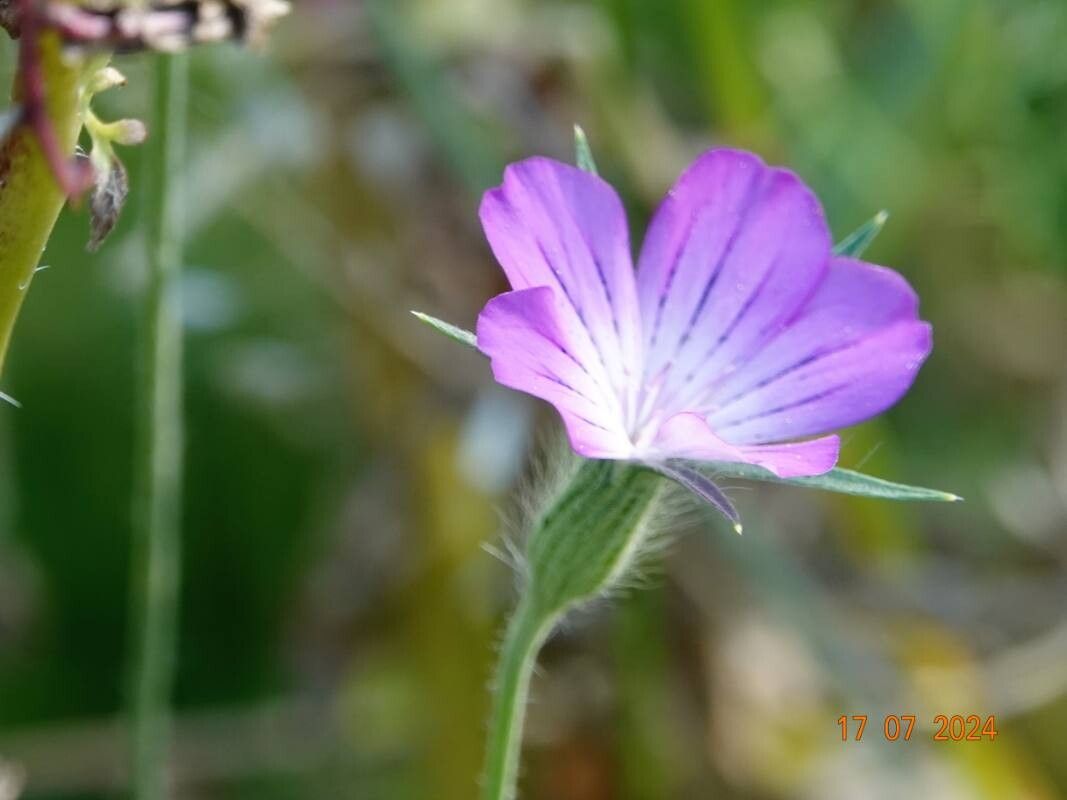
Oh, Agrostemma githago! Isn’t it just a dream? Those lovely, tall stems topped with delicate, starry, often deep purple or pink blossoms. They sway so gracefully in the breeze, adding such elegance to any garden. If you’ve fallen for their charm, you’ll be delighted to know that propagating them is a wonderfully rewarding venture, and I’m here to guide you through it.
Introduction
Agrostemma githago, often called Corncockle, is a beautiful old-fashioned favorite. Its appeal lies in its elegant, airy presence and its surprisingly vibrant blooms, which have a certain wild beauty about them. Propagating them means you get to share that joy, fill more borders, or even gift little plant babies to friends. Now, I won’t lie, some plants can be a bit fiddly, but I’d say Agrostemma is a pretty straightforward plant to propagate, even for beginners. With a little care and attention, you’ll be well on your way.
The Best Time to Start
For Agrostemma githago, the best time to propagate is typically from seed. While some plants can be coaxed from cuttings, Agrostemma is happiest and most successful when started from its own rightful beginnings. You’ll want to sow seeds either in early spring, indoors, to get a head start, or directly outdoors after the last frost. If you’re looking to divide established plants (though less common for this one, more on that later), late autumn or early spring before new growth really kicks off is ideal.
Supplies You’ll Need
Before we dive in, let’s gather our troops. You won’t need a whole arsenal, just a few basics:
- Good quality seed-starting mix: Something light and well-draining is key.
- Seed trays or small pots: Clean ones, of course!
- Watering can with a fine rose spray: To avoid disturbing delicate seeds.
- Labels and a permanent marker: So you don’t forget what you’ve planted where!
- A warm spot: A sunny windowsill or a propagator.
- Optional: Small pruning shears or a sharp knife: If you decide to try dividing a larger plant.
Propagation Methods
As I mentioned, seed propagation is really the star for Corncockle.
Seed Propagation
This is your go-to method for Agrostemma githago.
- Prepare your trays: Fill your seed trays or small pots with your seed-starting mix. Moisten the mix gently with your watering can. It should be damp, not soggy.
- Sow the seeds: Agrostemma seeds are usually a good size. You can gently press them into the surface of the soil, about 1/8 inch deep. Space them a couple of inches apart if you’re using trays.
- Cover and water: Lightly cover the seeds with more of your seed mix. Give them another gentle misting.
- Provide warmth and light: Place your trays in a warm location, ideally around 65-70°F (18-21°C). A sunny windowsill is perfect. If your home is a bit cooler, a heated propagator can speed things up nicely.
- Be patient: Keep the soil consistently moist but not waterlogged. You should start to see tiny seedlings emerge in about 10-20 days.
Once your seedlings have a couple of sets of true leaves, you can pot them up into individual pots. They don’t like being transplanted too often, so if you started them in a tray, give them a bit of room before they go into the ground.
Division (Less Common, but Possible)
If you happen to have a very established clump of Agrostemma, you might be able to divide it, though they often prefer to be direct-sown.
- Dig carefully: In late autumn or early spring, carefully dig up the clump.
- Separate gently: Using your hands or a clean knife, gently separate the root ball into smaller sections, ensuring each section has some healthy roots and shoots.
- Replant immediately: Replant the divisions into well-prepared soil at the same depth they were growing before. Water them in well.
The “Secret Sauce” (Pro Tips)
Here are a couple of things I’ve learned over the years that can make a difference:
- Don’t overcrowd your seeds: While it’s tempting to pack them in, giving them a little space from the get-go prevents competition and ensures stronger seedlings.
- The “air gap” trick: When you’re misting your newly sown seeds, try to hold the watering can a little higher than usual. This creates a gentler rain and helps prevent the tiny seeds from washing into clumps. Trust me, it works wonders!
- Don’t be afraid of them being a bit dramatic: Agrostemma can sometimes look a bit leggy or delicate as they grow. This is normal for them! They stretch towards the light and gracefully unfurl.
Aftercare & Troubleshooting
Once those lovely little roots have formed and your seedlings are ready to be moved, give them a sunny spot outdoors, protected from harsh winds. Water them regularly, especially when they are young.
Now, what if things don’t go as planned? The most common issue is damping off, where the base of the seedling rots away. This is almost always due to overwatering or poor air circulation. Ensure your soil is well-draining and don’t let the little ones sit in soggy conditions. If you see any mold or fuzzy growth, it’s a sign of trouble, and you might need to start over in a cleaner medium.
A Encouraging Closing
Remember, gardening is a journey, and each plant teaches us something new. Don’t be discouraged if your first attempts aren’t perfect. Corncockles are resilient and beautiful, and the process of nurturing them from seed to bloom is truly a gift. So, grab your seed packet, get your hands in the soil, and enjoy every moment. Happy growing!
Resource:
https://identify.plantnet.org/k-world-flora/species/Agrostemma%20githago%20L./data