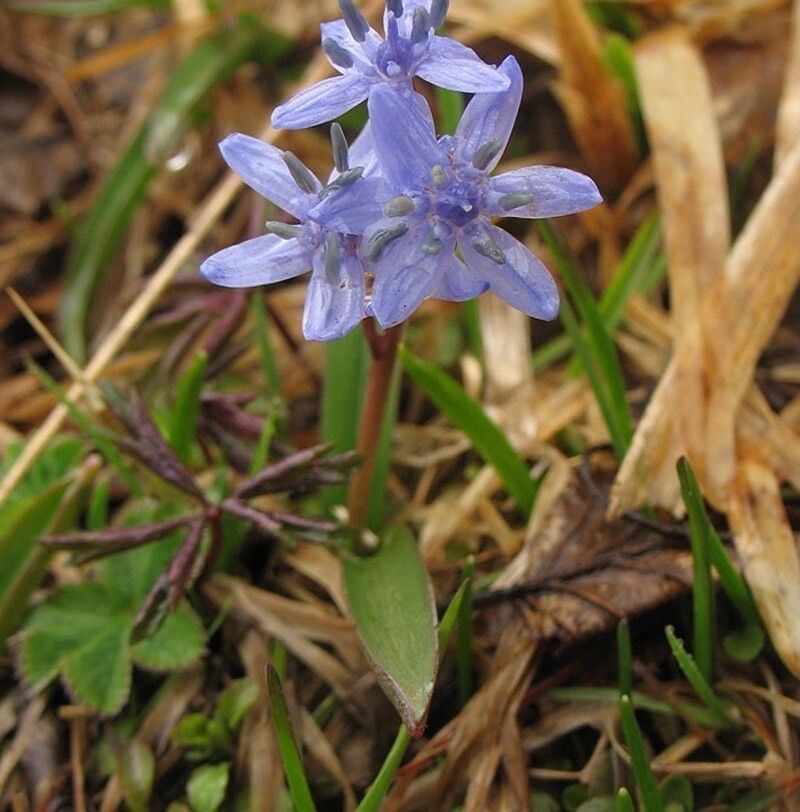
Hello my fellow garden enthusiasts! If you’re anything like me, you’ve probably fallen head over heels for the delicate charm of Scilla kladnii. These little beauties, with their star-shaped blue flowers carpeting the early spring garden, are an absolute delight. And you know what’s even better than admiring them? Creating more of them yourself!
Propagating Scilla kladnii is a wonderfully rewarding project. It’s a fantastic way to fill in bare patches, share with friends, or simply enjoy a more abundant display year after year. Don’t let the idea of propagation intimidate you; while some plants can be finicky, Scilla kladnii is generally quite agreeable, making it a great plant for beginners looking to dip their toes into the world of plant reproduction.
The Best Time to Start
For the highest success rate with Scilla kladnii, the absolute sweet spot is late summer to early autumn, right after the foliage has completely died back. This is when the bulbs are in their dormant phase and have stored up plenty of energy for new growth. Trying to propagate when they’re actively growing or flowering can stress the parent plant and reduce your chances of success.
Supplies You’ll Need
Gathering your tools beforehand makes the whole process smoother. Here’s what I always have on hand:
- A sharp trowel or small spade: For carefully lifting the bulbs.
- A clean, sharp knife or pruning shears: To separate bulbs if needed.
- Mesh bags or shallow trays: To hold the separated bulbs.
- Well-draining potting mix: A good quality blend designed for bulbs or perennials works wonders. You can even mix in some perlite for extra drainage.
- Optional: Sulphur dust or cinnamon powder: To help prevent fungal issues on cut surfaces.
Propagation Methods
Scilla kladnii is primarily propagated by dividing its bulbs. They tend to form clusters, making this method quite straightforward.
Bulb Division:
- Locate and Wait: As I mentioned, wait until the foliage of your Scilla kladnii has completely yellowed and died back. This is crucial! You’ll find the bulbs nestled in the soil.
- Careful Excavation: Gently insert your trowel or spade around the clump. The goal is to loosen the soil and lift the entire cluster without damaging the delicate bulbs. I like to go a little wider than the visible foliage to ensure I get everything.
- Gently Separate: Once out of the ground, carefully brush away excess soil. You’ll likely see that the bulbs have multiplied and are connected. Gently break apart the larger clumps into individual bulbs or smaller clusters of 2-3 bulbs. If they’re really stuck, use your clean, sharp knife to carefully slice them apart. For any bulbs that have split or have broken sections, it’s a good idea to discard them; these are more prone to rot.
- Protect the Wounds (Optional but Recommended): If you had to make any cuts to separate bulbs, I highly recommend dusting the cut surfaces with a bit of cinnamon powder. It’s a natural antifungal and helps prevent rot. You can also use sulphur dust if you have it.
- Replant Promptly: Your separated bulbs are ready to go back into the ground or into pots. Plant them about 3-4 inches deep, with the pointed end facing upwards. If you’re planting in pots, use your well-draining mix. Space them a few inches apart.
The “Secret Sauce” (Pro Tips)
Here are a couple of things I’ve learned over the years that can really make a difference:
- Don’t Rush the Dormancy: I know it’s tempting to dig them up as soon as they finish flowering, but resist the urge. Letting them complete their natural cycle and die back fully allows the bulbs to mature and store enough energy to divide successfully. Plus, you don’t want to interrupt that pretty display!
- Water Wisely After Planting: After replanting your divisions, give them a good, gentle watering. Then, let nature take its course. Avoid overwatering, especially in the autumn. You want the soil to be moist but not waterlogged. Soggy conditions are the quickest way to invite rot.
Aftercare & Troubleshooting
Once your Scilla kladnii bulbs are replanted, patience is key! They might not show much activity until the following spring.
- Spring Awakening: Keep an eye out in late winter or early spring. You should see those familiar blue shoots emerge.
- Watering Needs: Water regularly during active growth, especially if the spring is dry. Once the foliage starts to yellow and die back again, you can gradually reduce watering.
- Common Issues: The most common problem you might encounter is rot. This is usually due to overwatering or planting in poorly draining soil. If you notice bulbs that feel mushy or smell off, it’s best to dig them up and discard them to prevent the rot from spreading. Another less common issue can be where the bulbs fail to establish. This is often because they were divided too early or were stressed from the process.
A Little Encouragement
Propagating plants, just like any skill, gets easier with practice. Don’t be discouraged if not every single bulb makes it. Celebrate the ones that do, and know that each successful division is a step towards a more abundant and beautiful garden. Enjoy the process, and soon you’ll have more of those lovely blue stars to brighten your spring! Happy gardening!
Resource:
https://identify.plantnet.org/k-world-flora/species/Scilla%20kladnii%20Schur/data