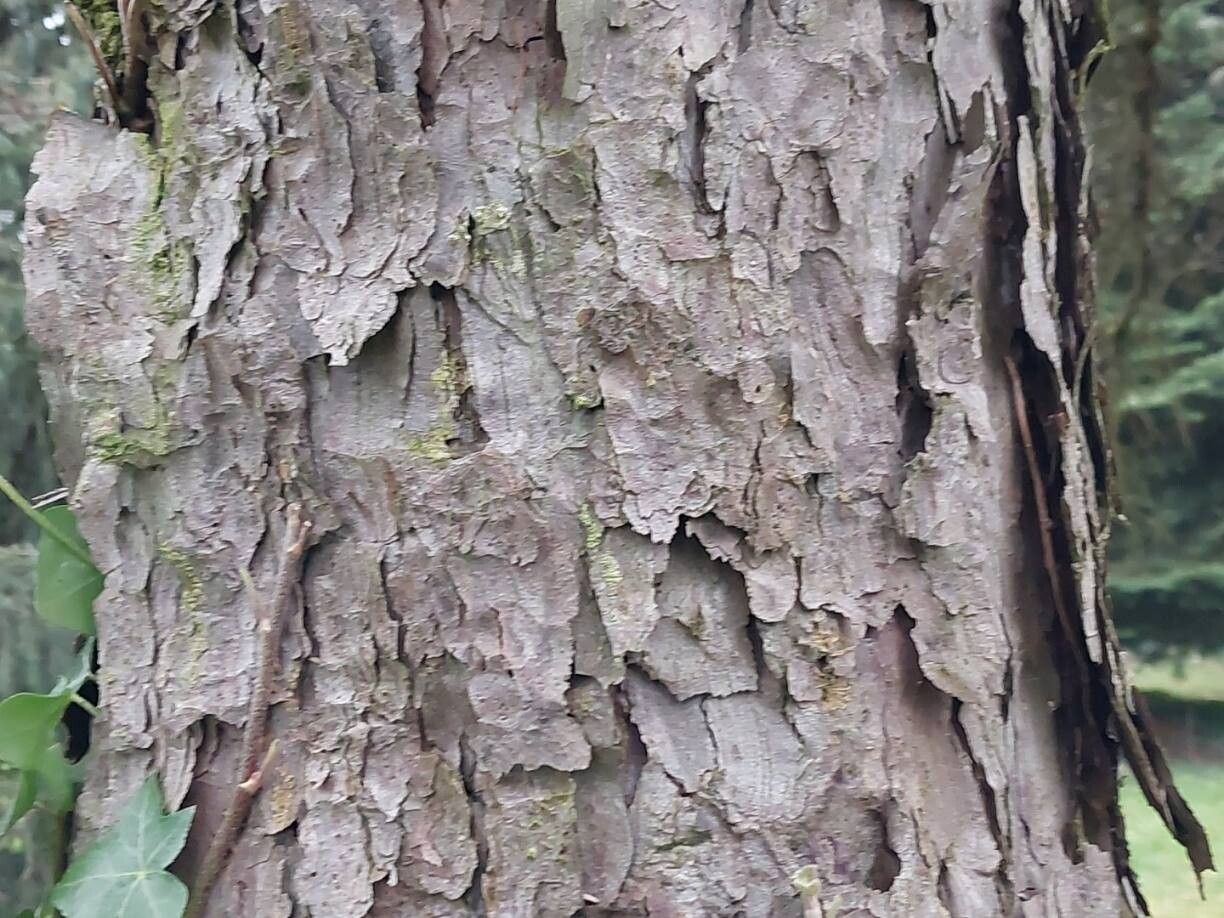
Hey there, fellow plant lovers! Today, we’re diving into the wonderful world of propagating Picea likiangensis, also known as the Lijiang spruce. If you’ve ever admired the graceful sweep of its branches and the subtle beauty of its needles, you’re not alone. This conifer brings a touch of serene elegance to any landscape, and the joy of growing your own from scratch is truly something special. Now, I won’t sugarcoat it – propagating conifers like the Lijiang spruce can be a bit trickier than your average houseplant. It’s not quite “potting a succulent,” but with a little patience and the right approach, it’s absolutely achievable and incredibly rewarding.
The Best Time to Start
For the highest success rates with Picea likiangensis, aim for late spring to early summer. This is when the plant is actively growing, and you’ll be able to take cuttings from this year’s new growth. These soft, flexible shoots are usually more responsive to rooting hormones and have a better chance of establishing themselves. Waiting until the growth has begun to harden slightly, but is not fully woody, is key.
Supplies You’ll Need
To get our little Lijiang spruce babies started, you’ll want to gather these essentials:
- Sharp Pruning Shears or a Craft Knife: Cleanliness is crucial to avoid introducing diseases.
- Rooting Hormone (powder or gel): This significantly boosts your chances of successful root development. Look for one formulated for woody cuttings.
- A Well-Draining Potting Mix: A blend of perlite, peat moss or coco coir, and coarse sand works wonderfully. Think gritty! You can also find specialized conifer or seed-starting mixes.
- Small Pots or Propagation Trays: Clean containers with drainage holes are a must.
- Clear Plastic Bag or Dome: To create a humid microclimate around your cuttings.
- Water Spray Bottle: For gentle misting.
- Labels: To keep track of your cuttings and when you took them.
- Optional: Bottom Heat Mat: If you have one, this can speed up root formation.
Propagation Methods: Let’s Get Our Hands Dirty!
The most reliable way to propagate Picea likiangensis is through stem cuttings. Division is generally not practical for this type of tree.
Stem Cuttings:
- Select Your Cuttings: Gently identify new growth that has started to harden. It should bend without snapping immediately, but not be fully woody. Look for shoots that are about 4-6 inches long and have a few sets of needles.
- Make the Cut: Using your sterilized pruning shears or knife, take a clean cut just below a leaf node (where needles grow from the stem).
- Prepare the Cutting: Carefully remove the needles from the bottom 1-2 inches of the cutting. This is where the roots will form. Try not to damage the bark. If the remaining needles are very large, you can trim them back by about half to reduce water loss.
- Apply Rooting Hormone: Dip the bottom 1-2 inches of the cutting into water (just enough to moisten), then into the rooting hormone. Tap off any excess.
- Plant Your Cuttings: Fill your clean pots with your well-draining mix. Make a hole in the center with a pencil or your finger, ensuring it’s wide enough for the cutting. Gently insert the prepared cutting into the hole and firm the soil around it.
- Water Gently: Water the pot thoroughly but gently, allowing excess water to drain away.
The “Secret Sauce” (Pro Tips for Success)
Here are a few things I’ve learned over the years that can make a big difference:
- Wipe Away the Stickies: After taking your cuttings, you might notice a sticky sap oozing from the cut. Gently wipe this away with a damp cloth. This sap can sometimes seal the wound and prevent the rooting hormone from being absorbed, hindering root development.
- The Humidity Hug: Once your cuttings are planted, immediately cover them with a clear plastic bag or a propagation dome. Secure it loosely around the pot. This traps humidity, which is absolutely vital for those new roots. Make sure the leaves don’t touch the plastic if possible; if they do, you can prop the bag up with a few small stakes.
- A Little Warmth Goes a Long Way: If you have a heat mat, place your pots on it. Bottom heat will encourage root growth by keeping the soil temperature consistently warm, usually around 70-75°F (21-24°C), even if the ambient air is cooler.
Aftercare & Troubleshooting
Once your cuttings are planted and covered, place them in a location that receives bright, indirect light. Avoid direct sun, which can scorch the delicate cuttings. It’s important to keep the soil consistently moist but not waterlogged. Mist the cuttings gently every few days, especially if you don’t have a dome creating a humid environment.
Now, the waiting game begins! Depending on conditions, it can take several weeks to a few months for roots to form. You can gently tug on a cutting after about 6-8 weeks. If you feel resistance, you likely have roots!
What if things go wrong? The most common culprit is rot. This usually happens from overwatering or insufficient drainage. If you see your cuttings turning black and mushy at the base, it’s a sign of too much moisture and not enough air circulation. If this happens, try to remove the affected cuttings immediately to prevent it from spreading. Another sign of failure is drying out. If the needles start to turn brown and crispy, it means the cutting isn’t getting enough moisture, likely due to a lack of humidity or poor rooting.
A Little Patience, A Lot of Reward
Watch over your cuttings, give them what they need, and trust the process. Propagating Picea likiangensis is a journey, and each successful new tree is a testament to your care and dedication. Don’t be discouraged if not every cutting takes – it’s all part of the learning curve. Celebrate the wins, learn from the setbacks, and enjoy the quiet satisfaction of nurturing these beautiful trees from small beginnings. Happy gardening!
Resource:
https://identify.plantnet.org/k-world-flora/species/Picea%20likiangensis%20(Franch.)%20E.Pritz./data