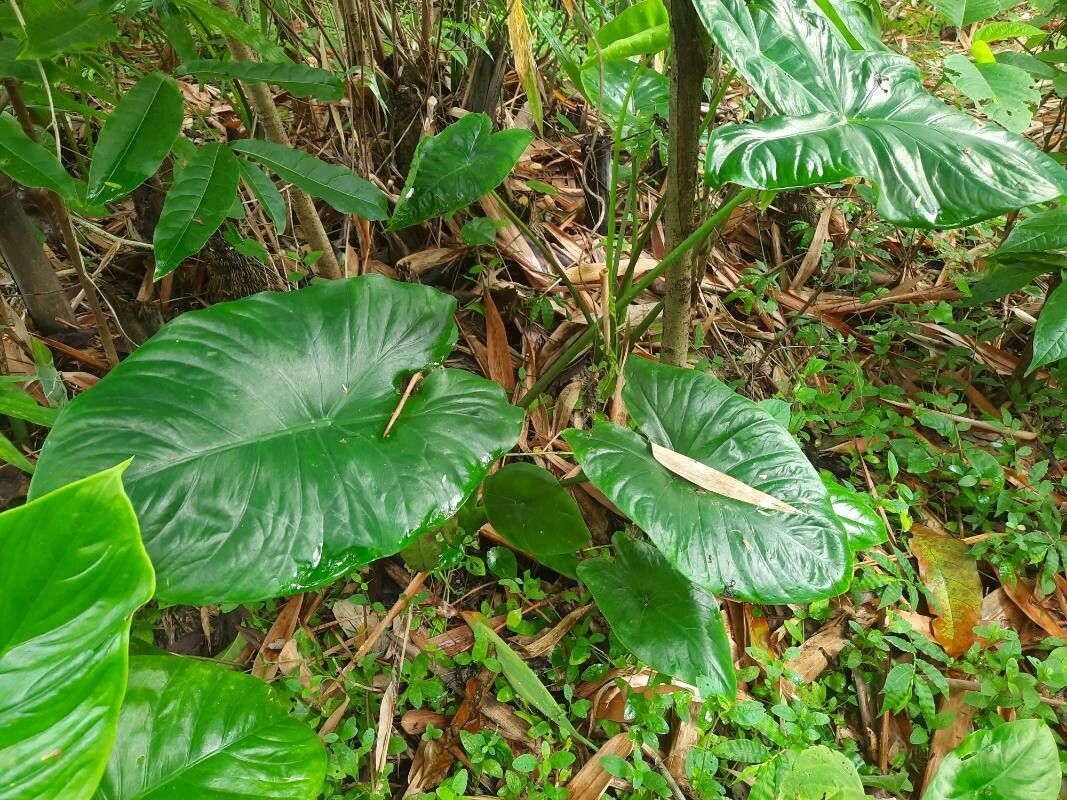
Oh, hello there! Come on in, grab a mug. I’m so glad you’re interested in propagating Alocasia fornicata. These plants are just stunning, aren’t they? With their dramatic, architectural leaves, they bring a real touch of the tropics to any space. And the best part? They’re actually quite rewarding to multiply! Now, while they might seem a little intimidating at first glance, I’d say Alocasia fornicata is moderately easy to propagate. It’s not quite as fuss-free as a pothos, but with a little patience and understanding, you’ll be creating new babies in no time.
The Best Time to Start
Honestly, the sweet spot for propagating Alocasia fornicata is during their active growing season. Think late spring through summer. This is when they’re really putting on growth, have plenty of energy, and are most receptive to making new roots. You can also propagate any time you notice the plant is getting a bit crowded, often as a bonus when you’re repotting.
Supplies You’ll Need
Here’s what you’ll want to have on hand:
- Sharp pruning shears or a clean knife: For making neat cuts.
- Rooting hormone (optional but helpful): A powder or gel can give your cuttings a little boost.
- Well-draining potting mix: A good blend is key. I like to use a mix of potting soil, perlite, and a bit of coco coir or orchid bark.
- Small pots or propagation trays: With drainage holes, of course!
- Spray bottle: For misting.
- Clear plastic bag or propagation dome: To create a humid environment.
- Water: Clean, room-temperature water.
- Perlite or sphagnum moss: For some propagation methods.
Propagation Methods
There are a couple of ways we can go about this, and I find division and stem cuttings to be the most successful for Alocasia fornicata.
Division (The Easiest Way)
This is probably the most straightforward method, especially if your plant is getting a bit large and you’re repotting anyway.
- Gently remove the plant from its pot. Tip it out carefully so you don’t damage the roots.
- Examine the root ball. You’re looking for separate growth points or offsets that have their own roots. Sometimes, you’ll see little baby plants growing right at the base, connected by rhizomes.
- Carefully separate the offsets. You can use your fingers, or if they’re a bit stubborn, your clean pruning shears. Aim to get as much of the root system with each division as possible.
- Pot up your new divisions. Plant each division in its own pot filled with your well-draining potting mix. Water them in lightly.
- Place in bright, indirect light and keep the soil consistently moist but not soggy.
Stem Cuttings (A Bit More Patience)
This method involves taking cuttings from the stem or leafstalk.
- Identify a healthy stem or leafstalk. Look for a mature leaf with a good-sized stem.
- Make a clean cut. Using your sharp shears or knife, cut the stem about an inch or two below a leaf node (where a leaf attaches to the stem). You can also take a cutting that includes a leaf and a bit of the stem.
- Prepare the cutting. If you’re taking a leaf with a stem, you might want to trim off any overly large leaves to reduce moisture loss. If a leaf is very large, you can even cut it in half horizontally.
- Apply rooting hormone (optional). Dip the cut end into rooting hormone powder or gel.
- Choose your medium.
- Water Propagation: Place the cutting in a clear jar or vase with clean, room-temperature water. Crucially, make sure no leaves are submerged. They’ll rot quickly. Change the water every few days.
- Soil Propagation: Plant the cutting directly into a pot filled with your well-draining mix. You can stick a few cuttings in one pot. Water lightly.
- Create humidity. Cover the pot or jar with a clear plastic bag or propagation dome to keep the humidity high. Make sure to poke a few small holes for ventilation to prevent mold.
- Place in bright, indirect light.
The “Secret Sauce” (Pro Tips)
Here are a couple of things I’ve learned over the years that really make a difference:
- Bottom Heat is Your Friend: For both soil and water propagation, placing your pots or jars on a heat mat can dramatically speed up root development. Alocasias love warmth, and this mimics the tropical conditions they thrive in. Just make sure it’s not too hot – aim for a gentle warmth.
- Don’t Over-Water Propagation Medium: This is a big one, especially for soil cuttings. It’s easy to get nervous and drown your precious cuttings. You want the soil to be consistently moist, like a wrung-out sponge, but never waterlogged. Too much moisture leads to rot, which is the death knell for cuttings.
Aftercare & Troubleshooting
Once you see signs of life – new growth or a healthy root system forming in water – your baby Alocasia is ready for a bit more independence.
- For water-propagated plants: Once the roots are at least an inch or two long and look sturdy, you can gently transplant them into your well-draining potting mix. Water them in well and then maintain consistent moisture.
- For soil-propagated plants: Keep the soil consistently moist and humid until you see new leaves unfurling. This indicates successful rooting.
- Watch for Rot: The most common problem is rot. Black, mushy stems or leaves are a sure sign. If you see this, you’ll need to remove the affected parts with a clean blade immediately and try to improve drainage and airflow. Sometimes, it’s a sign that your propagation medium is too wet or not draining well enough.
- Yellowing Leaves: A little yellowing might happen as the plant conserves energy for root growth, but if all the leaves start to yellow and droop, it could be a sign of overwatering or not enough light.
A Little Encouragement
Propagating plants is always a journey of discovery, and sometimes there are a few bumps along the way. Don’t get discouraged if your first attempt isn’t a runaway success. Be patient, observe your cuttings, and learn from each one. The joy of watching a new Alocasia fornicata sprout and grow is truly immense. Happy propagating!
Resource:
https://identify.plantnet.org/k-world-flora/species/Alocasia%20fornicata%20(Kunth)%20Schott/data