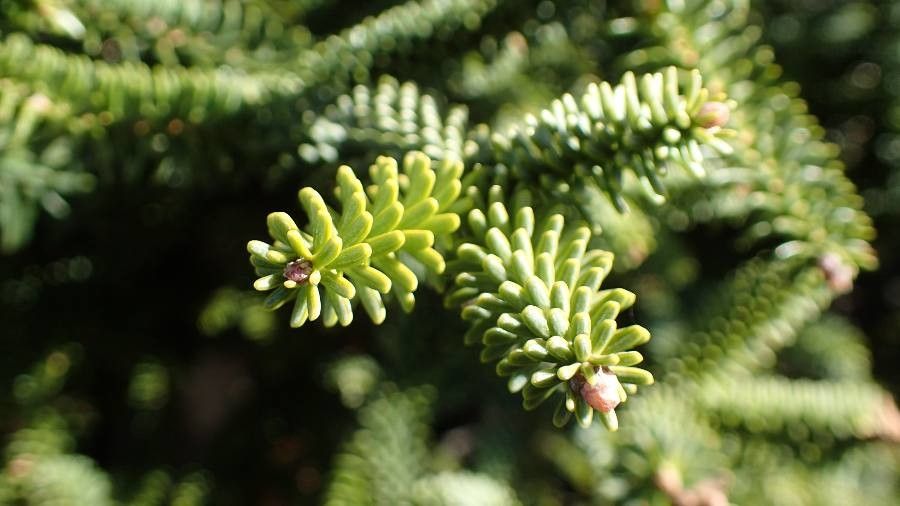
Hello, fellow plant lovers! Today, I want to talk about a truly special evergreen: Podocarpus gnidioides. You might know it as the elegant, graceful shrub with its slender, almost lily-like leaves. It brings such a natural, flowing beauty to any garden, and honestly, seeing a new little Podocarpus sprout from a cutting is incredibly satisfying. If you’ve admired its delicate charm, you’ll be pleased to know that while it requires a touch more patience than, say, a spider plant, it’s absolutely a rewarding project, even for newer gardeners.
The Best Time to Start
My advice? Aim for late spring to early summer. This is when the plant is actively putting on new growth, which means those cuttings will be full of energy and ready to push out roots. You want to take cuttings from semi-hardwood, which is wood that’s starting to firm up but isn’t old and woody yet. Think of it as that stage between a brand new, flexible shoot and something that feels quite stiff.
Supplies You’ll Need
Here’s what you’ll want to have on hand before you get started:
- Sharp Pruning Shears or a Craft Knife: Cleanliness is key to prevent disease.
- Rooting Hormone: This isn’t strictly mandatory for Podocarpus, but it really gives your cuttings a boost. Look for one with IBA (indole-3-butyric acid).
- Well-Draining Potting Mix: I like a blend of perlite, peat moss (or coco coir), and a little bit of coarse sand. You want something that won’t hold excess moisture. Avoid heavy garden soil.
- Small Pots or Trays: Around 4-inch pots are usually perfect. Make sure they have drainage holes!
- Clear Plastic Bags or Propagation Domes: These create a humid environment, which is crucial for cuttings.
- Labels and a Pen: So you don’t forget what you’ve planted!
- Watering Can with a Fine Rose: Gentle watering is best.
Propagation Methods: Stem Cuttings
This is by far the most effective and common way to propagate Podocarpus gnidioides.
- Select Your Stems: With your clean shears, take cuttings that are about 4 to 6 inches long. Look for healthy, disease-free stems. I usually try to select shoots that have grown this year but have started to harden a bit.
- Prepare the Cuttings: At the bottom of each cutting, remove the leaves from the lower 2 inches. This prevents them from rotting when they’re in the soil. At the very bottom, you can make a slight cut or scrape on one side of the stem, about half an inch long. This exposes more of the cambium layer, which is where roots love to form.
- Apply Rooting Hormone: Dip the cut end of each stem into your rooting hormone. Tap off any excess. Don’t be shy; a good coating is beneficial.
- Pot Them Up: Fill your small pots with your prepared, damp potting mix. Make a hole in the center with your finger or a pencil. Gently insert the treated end of the cutting into the hole, ensuring the lower leaf nodes (where you removed the leaves) are buried.
- Firm the Soil: Gently firm the soil around the cutting to ensure good contact.
- Water Gently: Water your cuttings thoroughly but gently. You want the soil to be moist but not waterlogged.
- Create Humidity: This is vital! Cover the pots with a clear plastic bag (make sure the leaves don’t touch the plastic if possible, you can use stakes to prop it up) or place them under a propagation dome. Place these in a bright spot, but out of direct sunlight. Too much sun will scorch your fragile cuttings.
The “Secret Sauce” (Pro Tips)
Now, for a few little tricks I’ve learned over the years:
- Bottom Heat is Your Friend: If you have a heat mat designed for propagation, place your pots on it. This gently warms the soil, encouraging root development from below. It makes a noticeable difference in rooting speed!
- Don’t Overwater, Ever: This is our biggest enemy with cuttings. Podocarpus will rot quickly if their roots sit in soggy soil. If you poke your finger into the soil and it feels wet, wait. It’s better to err on the side of slightly too dry than too wet.
- A Gentle Mist in the Morning: If you’re not using a sealed dome and notice the leaves looking a little sad (not wilted from lack of water, but just… tired), a very light misting of water on the leaves in the morning can help them stay hydrated without overdoing it on the soil.
Aftercare & Troubleshooting
Once you start seeing new growth – tiny leaves unfurling or a little shoot emerging from the top – that’s a great sign that roots are forming! Don’t be in a rush to transplant them. Let them establish themselves for a few weeks. You can start to gradually introduce them to less humidity by opening the plastic bags a little more each day over a week.
The most common problem you might encounter is rot. If a cutting turns brown and mushy, or develops black spots and wilts dramatically, it’s likely rot. This is almost always due to too much moisture. Unfortunately, a rotten cutting is difficult to save and should be removed to prevent spreading it to others. If you see signs of wilting that aren’t rot, it might be underwatering, but always check the soil moisture first.
A Little Patience Goes a Long Way
Propagating Podocarpus gnidioides is a journey, not a race. It can take several weeks, sometimes even months, for roots to fully develop. Don’t get discouraged if you don’t see results immediately. Celebrate the little victories, like that first tiny leaf, and remember that each cutting is a testament to the amazing resilience of plants. Happy propagating, and enjoy watching your new green beauties thrive!
Resource:
https://identify.plantnet.org/k-world-flora/species/Podocarpus%20gnidioides%20Carrière/data