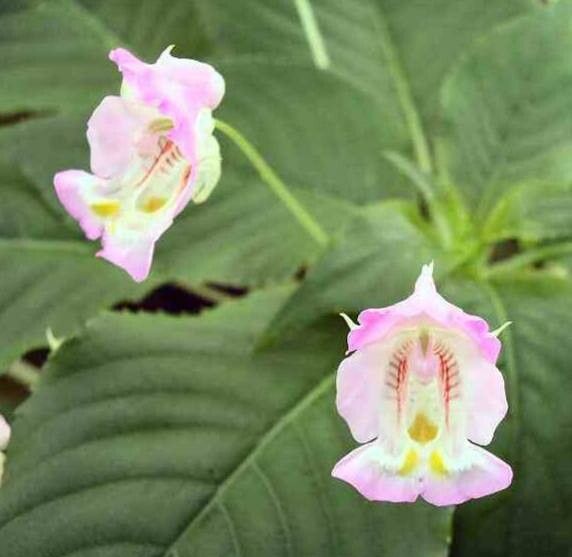
Oh, hello there! I’m so glad you’re thinking about bringing more of those cheerful Impatiens tuberosa into your life. If you’ve ever admired their vibrant blooms cascading from hanging baskets or brightening up shady corners, you know they’re a real treat. And the best part? You can quite easily fill your garden with them! Propagating these beauties is such a rewarding journey, kind of like watching a shy seedling unfurl its first leaves. For beginners, this plant is wonderfully forgiving, which makes it a perfect place to start your propagating adventures.
The Best Time to Start
The sweet spot for propagating Impatiens tuberosa is definitely in the spring, as the plant is waking up from its winter slumber and actively growing. You’re looking for healthy, non-flowering stems. Think soft and pliable, not woody and stiff. Late spring or early summer is also a good bet if you missed the initial rush. The key is to catch them when their energy is focused on putting out new growth.
Supplies You’ll Need
Gathering your supplies before you begin makes the whole process so much smoother. Here’s what I always have on hand:
- Sharp pruning shears or a clean, sharp knife: For making clean cuts, crucial for good root development.
- A rooting hormone powder or gel: This isn’t strictly essential for Impatiens, but it can give your cuttings a real boost.
- Well-draining potting mix: I like a mix of peat moss, perlite, and a bit of compost. It needs to keep the roots from getting waterlogged.
- Small pots or seed trays: Clean ones are best to prevent disease.
- A clear plastic bag or a propagation dome: This creates a humid environment, which is what cuttings love.
- A watering can with a fine rose: For gentle watering.
- Labels and a pen: Trust me, you’ll thank yourself later!
Propagation Methods
Impatiens tuberosa are quite versatile in how they like to reproduce. My go-to method, and the one I find most successful, is by stem cuttings.
- Select Your Stems: Look for a healthy, vigorous Impatiens tuberosa plant. You want to find stems that are about 4-6 inches long and have plenty of leaves. Avoid any that have flowers or buds on them, as the energy needs to go into roots.
- Make the Cut: Using your clean pruners or knife, carefully make a cut just below a leaf node. A leaf node is where a leaf attaches to the stem. This is a magic spot where roots love to form.
- Prepare the Cutting: Gently remove the lower leaves from the cutting, leaving just a few at the top. Again, always cut just above where you removed the leaves.
- Rooting Hormone (Optional but Recommended): Dip the cut end of the stem into your rooting hormone powder or gel. Make sure it’s coated evenly. Tap off any excess.
- Planting: Fill your small pots with your prepared potting mix and moisten it thoroughly but gently. Make a small hole in the center of the soil with your finger or a pencil. Insert the cutting’s base into the hole, ensuring the leaf nodes are covered by the soil. Gently firm the soil around the stem.
- Create a Humid Environment: Place the potted cuttings into a clear plastic bag, sealing it loosely, or cover them with a propagation dome. This traps the humidity that Impatiens crave.
- Placement: Put the pots in a bright location with indirect light. Avoid direct sunlight, which can scorch the delicate cuttings.
The “Secret Sauce”
Now, for a couple of little tricks that I’ve learned over the years that can really tip the scales in your favor.
- Don’t Let the Leaves Touch the Water (If Water Propagating): While I prefer soil for Impatiens, if you’re tempted to try water propagation, never let the leaves sit in the water. They’ll rot. Only the stem should be submerged, and change the water every few days.
- Bottom Heat is Your Friend: Impatiens cuttings absolutely love a little warmth from below. If you have a heat mat designed for seedlings, placing your pots on it can significantly speed up root formation. It mimics the cozy soil temperature they’d find in their natural environment.
Aftercare & Troubleshooting
Once your cuttings are nestled in their pots, the real waiting game begins. Keep the soil consistently moist but not soggy. Check the humidity under the plastic bag or dome daily – you want it to be steamy but not dripping.
You’ll know roots are forming when you see new leaf growth, usually within a few weeks. You can also gently tug on the cutting; if there’s resistance, you have roots! Once they’ve got a good root system established, you can gradually remove the plastic bag or dome over a few days to acclimate them to normal humidity. Then, it’s time to pot them up into slightly larger containers.
The most common issue you might encounter is rot. This usually happens if the soil is too wet or the humidity is too high without good air circulation. If you see the stem turning black or mushy, unfortunately, that cutting is probably lost. Just discard it and try again, ensuring your soil drains well and you aren’t overwatering.
A Hug from My Garden
Propagating Impatiens tuberosa is a beautiful way to multiply your joy. Be patient; sometimes it takes a little longer than we expect. But the moment you see those first tiny roots, or that first hint of new green, it’s incredibly satisfying. Enjoy the process, my friend, and soon you’ll have a whole garden full of these radiant beauties!
Resource:
https://identify.plantnet.org/k-world-flora/species/Impatiens%20tuberosa%20H.Perrier/data