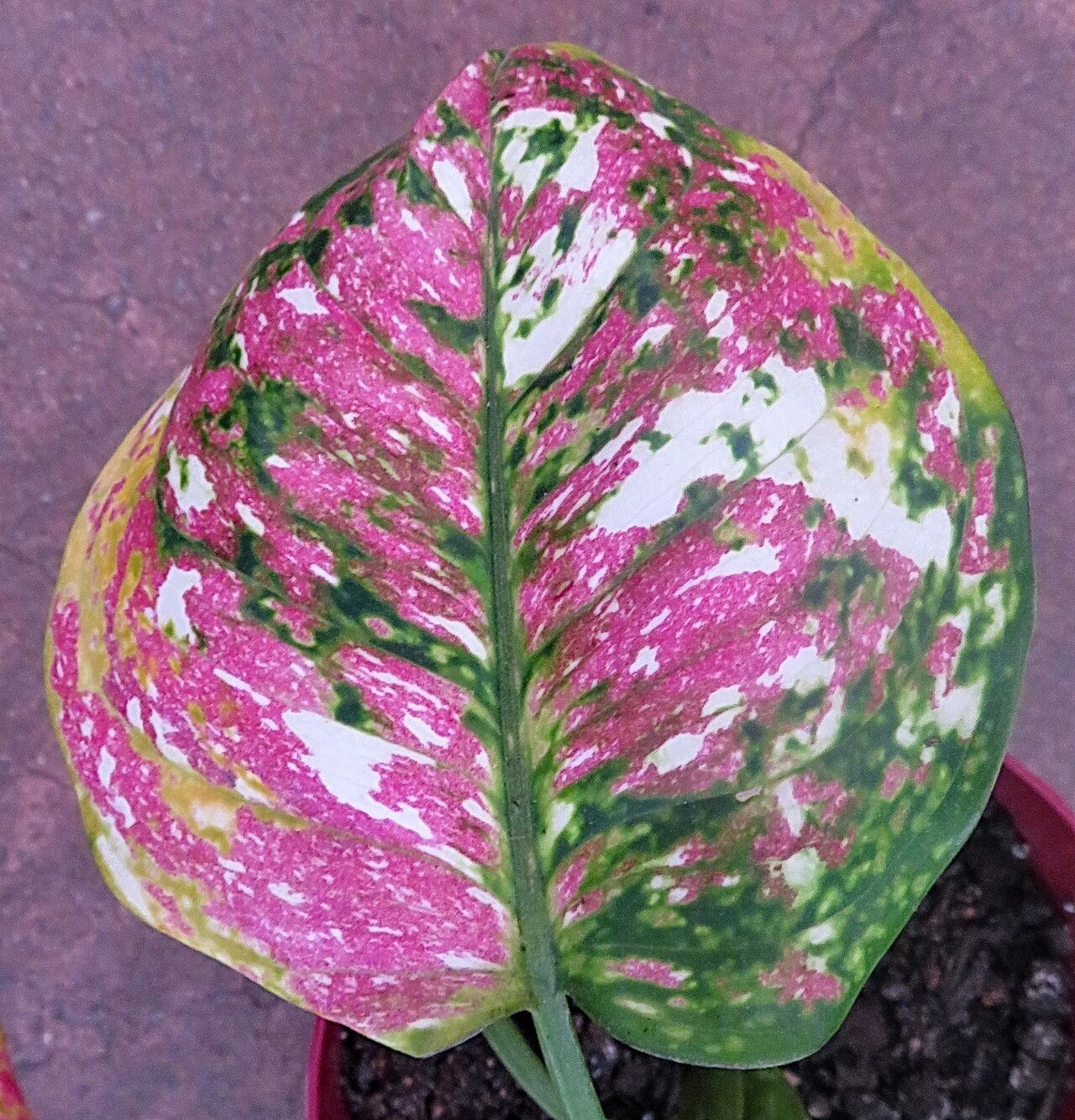
Hey there, fellow plant lovers! If you’re anything like me, you’ve probably fallen head over heels for the stunning Aglaonema tricolor. Those gorgeous, splashed leaves are like works of art, aren’t they? And the best part? You can easily multiply these beauties to fill your home with even more of that tropical flair. Propagating them is surprisingly straightforward, and I find it incredibly rewarding to watch a tiny cutting transform into a thriving plant. Don’t let anyone tell you it’s too difficult; even a beginner can enjoy success with these vibrant foliage stars.
The Best Time to Start
For the most successful propagation of your Aglaonema tricolor, spring and early summer are your golden ticket. This is when the plant is in its active growth phase, meaning it has plenty of energy to put into developing new roots. You’ll get the best results when the days are longer and warmer, mimicking the ideal conditions for this tropical native.
Supplies You’ll Need
Here’s what you’ll want to have on hand for your propagation adventure:
- Sharp pruning shears or a clean knife: For making clean cuts.
- Rooting hormone (optional but recommended): Helps kickstart root development.
- Small pots or propagation vessels: Terracotta or plastic pots with drainage holes work well. For water propagation, clean jars or glasses are perfect.
- Well-draining potting mix: A good blend is typically 2 parts peat moss or coco coir to 1 part perlite or coarse sand.
- Sphagnum moss or perlite (for some methods): To maintain moisture.
- Clear plastic bag or propagation dome: To create a humid environment.
- Water: Distilled or filtered water is best if you have hard tap water.
Propagation Methods
There are a couple of really effective ways to propagate your Aglaonema tricolor. I usually find success with both, so pick the one that feels most comfortable for you!
Stem Cuttings
This is my go-to method for increasing my Aglaonema collection.
- Find a healthy stem: Look for a mature stem on your existing plant. Ideally, it should have at least two or three leaf nodes (the little bumps where leaves emerge from the stem).
- Make a clean cut: Using your sharp shears or knife, cut the stem just below a leaf node. Aim for cuttings that are about 4-6 inches long.
- Remove lower leaves: Gently strip off any leaves that are very close to the cut end. This prevents them from rotting in the soil or water. You can leave the top couple of leaves.
- Apply rooting hormone (optional): Dip the cut end into rooting hormone, tapping off any excess. This isn’t strictly necessary for Aglaonemas, as they root fairly readily, but it can give them a nice boost.
- Plant the cutting:
- In soil: Fill your small pots with your well-draining potting mix. Make a small hole with your finger or a pencil and insert the cut end of the stem. Gently firm the soil around it.
- In water: Place the cutting in a jar or glass filled with water, ensuring the leaf nodes are submerged. Make sure no leaves are sitting in the water.
- Create humidity: If you planted in soil, lightly water it and then cover the pot with a clear plastic bag or a propagation dome. If you’re using water propagation, simply place the jar in a bright spot.
Division
This method is perfect when your Aglaonema has started to get a bit bushy and mature.
- Gently remove from pot: Carefully take your Aglaonema out of its pot.
- Inspect the root ball: Gently tease away some of the soil around the base of the plant. You’ll often see that the plant has naturally formed multiple crowns or stems arising from the root system.
- Separate the divisions: Using your hands or a clean knife, carefully separate these clumps. You want each division to have its own roots and at least one healthy stem with leaves. Be patient here; don’t force it.
- Pot up: Plant each division into its own pot filled with your well-draining potting mix. Water thoroughly.
The “Secret Sauce” (Pro Tips)
Here are a few things I’ve learned over the years that really make a difference:
- Don’t let those leaves touch the water! I can’t stress this enough for water propagation. Any leaf submerged is a recipe for rot. Remove lower leaves so only the stem nodes are in contact with the water.
- Bottom heat is your friend. If you’re struggling with rooting or want to speed things up, placing your potted cuttings on a seedling heat mat can significantly improve success rates. It just mimics that cozy, warm underground environment roots love.
- Patience is key with soil propagation. When planting stem cuttings in soil, resist the urge to tug on them to check for roots. You can be fairly confident they’ve rooted when you see new leaf growth appearing.
Aftercare & Troubleshooting
Once you see signs of new roots (either emerging from the bottom of your water jar or new leaf growth in the soil), it’s time for a little extra TLC.
- For water propagation: Once the roots are about an inch long, you can transplant them into soil. Treat them like any other young plant – keep the soil consistently moist but not soggy, and provide bright, indirect light.
- For soil propagation: Continue to keep the soil lightly moist. As the new plant gets established and you see healthy new growth, you can gradually transition it to your regular watering schedule.
- Troubleshooting: The most common issue you’ll encounter is rot. This usually happens due to overwatering or lack of airflow. If a stem cutting turns mushy or slimy, it’s likely rotted. Discard it and start again, ensuring your medium is well-draining and you’re not drowning the cutting. Blackened or yellowing leaves on a cutting that hasn’t rooted yet can also be a sign of stress or rot.
A Little Encouragement
Propagating Aglaonema tricolor is a wonderful way to expand your collection and share the joy of these beautiful plants. Don’t be discouraged if your first attempt isn’t a runaway success. Gardening is all about learning by doing, and each time you try, you get a little bit better. Be patient, enjoy the process, and soon you’ll have a whole jungle of these stunning plants! Happy growing!
Resource:
https://identify.plantnet.org/k-world-flora/species/Aglaonema%20tricolor%20Jervis/data