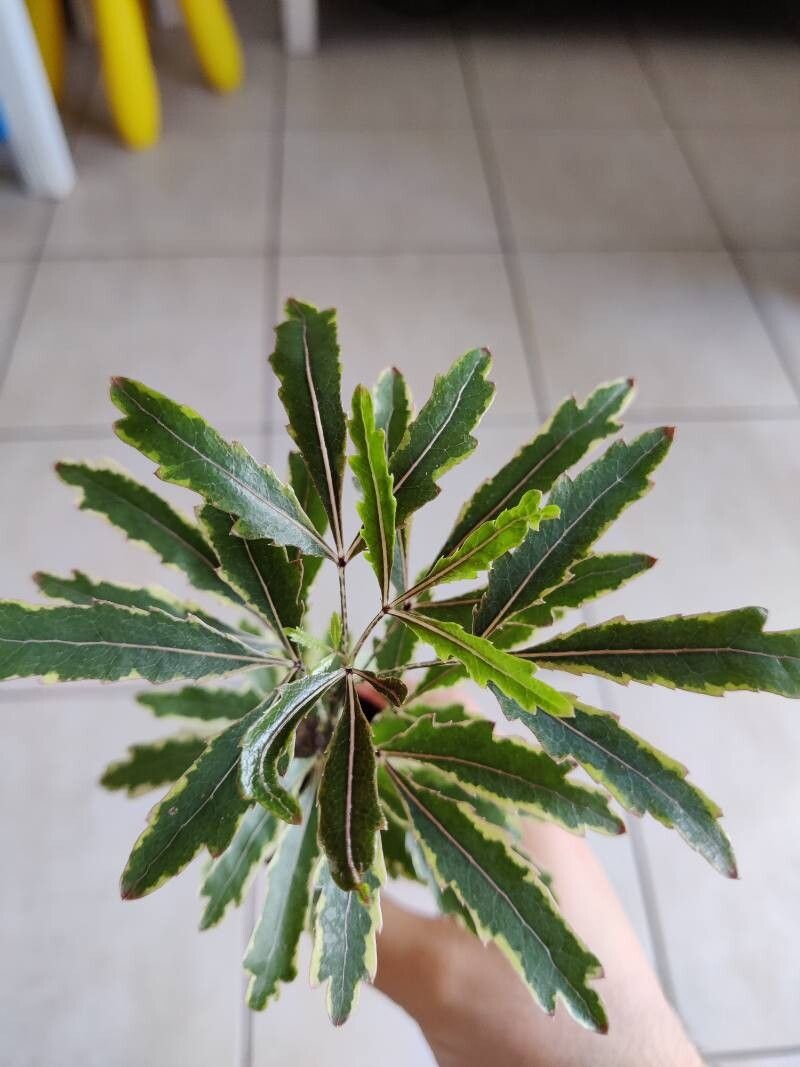
Well hello there, fellow garden enthusiasts! Today, we’re diving into the wonderful world of Raukaua simplex, often known as the Five Finger. If you’ve admired its striking, hand-like foliage and delicate, architectural form, you’re in for a treat. Propagating your own Raukaua simplex is a truly rewarding endeavor, allowing you to multiply that beauty and fill your space – or share it with friends! For those just starting their propagation journey, I’d say Raukaua simplex falls into the moderately easy category. It’s not as finicky as some, but it does appreciate a little know-how.
The Best Time to Start
Generally, the sweet spot for propagating Raukaua simplex is during its active growing season. Think late spring through to early autumn. This is when the plant has the most energy stored to fuel new root development. Waiting until the plant has produced some good, healthy new growth is also a great indicator. Avoid propagating when the plant is stressed, perhaps from extreme heat or cold.
Supplies You’ll Need
Gathering your tools before you begin makes the whole process smoother. Here’s what I like to have on hand:
- Sharp, clean pruning shears or a sharp knife: Essential for making clean cuts.
- A well-draining potting mix: A good blend of perlite, coco coir, and a bit of peat moss usually works wonders. You want something that breathes.
- Rooting hormone (optional but recommended): This can give your cuttings a significant boost.
- Small pots or trays with drainage holes: Clean them thoroughly before use.
- Plastic bags or a propagation dome: To create a humid microclimate.
- Watering can with a fine rose: For gentle watering.
- Isopropyl alcohol: To sterilize your tools between cuts.
Propagation Methods
While there are a few ways to go about it, I find stem cuttings and water propagation to be the most reliable for Raukaua simplex.
Stem Cuttings: My Go-To Method
- Select your cutting: Look for a healthy stem that’s not too woody but not overly soft either. A piece that’s about 4-6 inches long with a few sets of leaves is usually perfect.
- Make the cut: Using your sterilized shears or knife, make a clean cut just below a leaf node (where a leaf attaches to the stem).
- Prepare the cutting: Gently remove the lower leaves from the cutting. This prevents them from rotting when buried. You want to expose a portion of the stem.
- Dip in rooting hormone (if using): Lightly dip the cut end into your rooting hormone powder. Tap off any excess.
- Plant your cutting: Fill your small pot with your prepared potting mix. Make a small hole with your finger or a pencil and gently insert the cutting, ensuring the exposed stem is buried. Firm the soil around it.
- Water gently: Water thoroughly but carefully so as not to disturb the cutting.
- Create humidity: Cover the pot with a plastic bag secured with a rubber band, or place it under a propagation dome. Make sure the leaves aren’t touching the sides of the bag if possible.
Water Propagation: A Visual Treat
- Select and prepare your cutting: Similar to stem cuttings, choose a healthy piece 4-6 inches long and remove the lower leaves.
- Place in water: Find a clean jar or vase and fill it with fresh, room-temperature water. Submerge the leafless end of the cutting.
- Location: Place the jar in a bright spot with indirect sunlight.
- Change the water: Change the water every few days to keep it fresh and prevent bacterial growth.
The “Secret Sauce” (Pro Tips)
Here are a couple of things I’ve learned over the years that can really make a difference:
- Strike from nodal cuttings: When making your stem cuttings, always make sure your cut is just below a leaf node. This is where the magic happens – it’s an area rich in growth hormones, giving your cutting the best chance to sprout roots.
- Don’t be afraid of bottom heat: If you’re struggling to get roots to form, especially if you’re propagating in cooler months, a heat mat designed for seedlings can be a game-changer. It provides gentle warmth from below, mimicking ideal soil temperatures and encouraging root development.
Aftercare & Troubleshooting
Once you see new roots forming (you can gently tug on the cutting to feel resistance, or if in water, you’ll see them!), it’s time to transition.
- For stemmed cuttings: When the roots are about an inch long, you can gradually acclimate your new plant to normal conditions. Remove the plastic bag for increasingly longer periods over a few days. Water when the top inch of soil feels dry.
- For water-propagated cuttings: Once the roots are a decent length (an inch or two is good), you can pot them up into your well-draining potting mix. Treat them just as you would a potted stem cutting.
The most common issue you’ll encounter is rot. This usually happens if the cutting is kept too wet, or if the air circulation is poor. Yellowing leaves or a mushy stem base are tell-tale signs. If you spot this, remove the affected cutting immediately and discard it to prevent it from spreading. Ensure good drainage and don’t overwater!
A Gentle Encouragement
Propagating plants is a journey of patience and observation. Don’t get discouraged if every single cutting doesn’t make it. Each attempt teaches you something new. Enjoy the process of nurturing these little bits of life, and soon you’ll have your very own Raukaua simplex family to admire. Happy growing!
Resource: