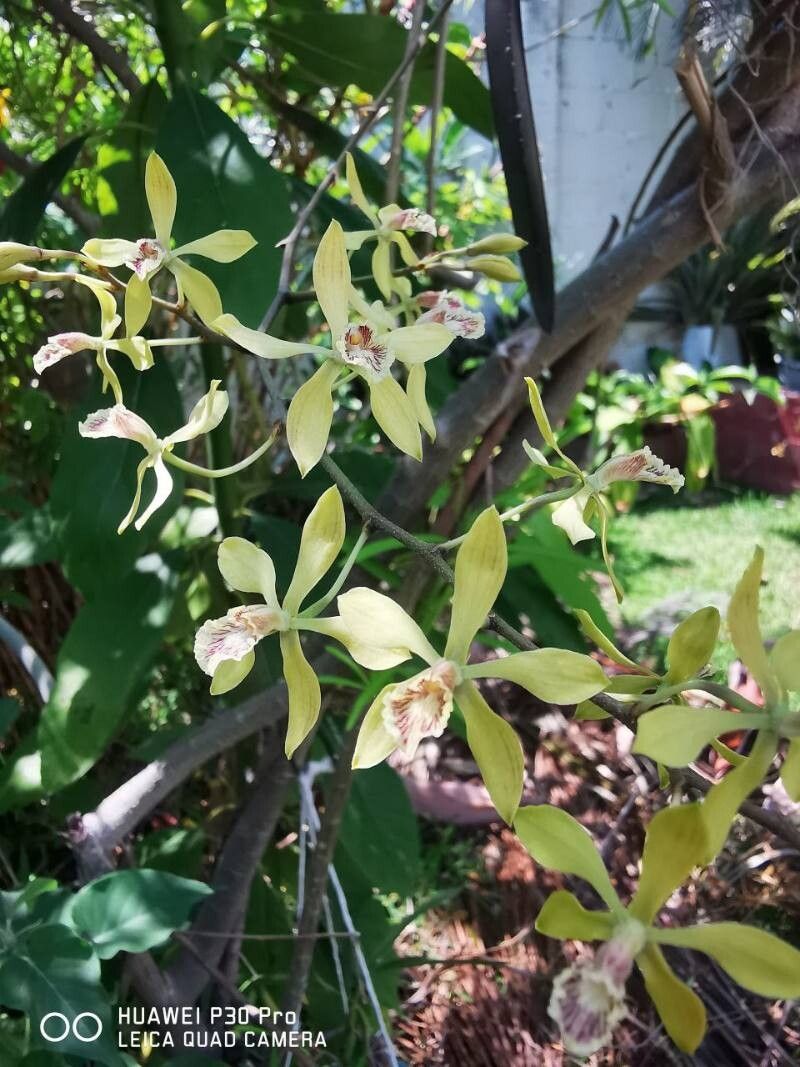
Hello fellow plant lovers! I’m so glad you’ve decided to explore the wonderful world of Encyclia orchids. If you’ve ever admired the vibrant, often fragrant blooms of Encyclia incumbens, you know exactly why it’s such a special plant. Its graceful pseudobulbs and beautiful flowers bring such joy to any collection. And let me tell you, propagating these beauties is a deeply satisfying journey. While it’s a bit more involved than popping a begonia cutting in water, I wouldn’t call Encyclia incumbens a beginner’s challenge. With a little patience and the right approach, you’ll be rewarded with new plants to share or expand your own personal jungle.
The Best Time to Start
I find the sweet spot for propagating Encyclia incumbens is during its active growth period. Ideally, this is after the plant has finished blooming and is starting to produce new pseudobulbs or leaf growth. Think late spring or early summer for many of us. This means the plant has plenty of energy reserves to put into those new divisions or cuttings, significantly boosting your success rate. Trying to propagate when the plant is dormant or stressed is like asking someone to run a marathon when they’ve got a cold – not ideal!
Supplies You’ll Need
Gathering your tools beforehand makes the whole process much smoother. Here’s what I always have on hand:
- Sharp, sterile pruning shears or a razor blade: Cleanliness is key to preventing disease. A quick dip in rubbing alcohol before and after use is a must.
- Orchid bark mix or a well-draining potting blend: For mature plants, a coarse orchid mix is best. For young propagations, I like a slightly finer mix, perhaps with added perlite for aeration.
- A clean pot or container: New pots for your divisions or cuttings. Terracotta is great for breathability.
- Cinnamon or a rooting hormone powder: Cinnamon acts as a natural antifungal, and rooting hormone can give cuttings a nice boost.
- A spray bottle: For gentle watering until roots establish.
- A sphagnum moss or perlite (optional): For creating a humid environment for cuttings if you choose that method.
- Labels and a waterproof marker: Don’t forget to label what you propagated and when!
Propagation Methods
For Encyclia incumbens, division is hands-down the most reliable and common method. It’s like multiplying your plant by carefully separating its existing, established sections.
Method: Division
- Gently remove the orchid from its pot. If it’s very root-bound, you might need to carefully break the pot or gently tease the roots free.
- Clean off excess potting medium. You want to get a good look at where the pseudobulbs are connected.
- Identify division points. Look for sections of the plant that have at least two or three healthy pseudobulbs and a good root system. You want to make sure each new division has enough stored energy and roots to get started.
- Using your sterile shears or razor, carefully cut through the rhizome (the creeping stem that connects the pseudobulbs). Aim for a clean cut.
- If you’re nervous about rot from the cut, you can dust the cut surfaces with cinnamon or a rooting hormone powder. Let the cut callous over for a day or two in a dry, shaded spot. This helps prevent any fungal or bacterial issues.
- Pot up each division. Place them in their new, clean pots with fresh orchid bark or your preferred potting mix. Ensure the base of the pseudobulbs is at or just above the surface of the mix.
- Water very lightly. Resist the urge to drench them. Misting the surface every few days is usually sufficient until you see active new growth.
The “Secret Sauce” (Pro Tips)
Here are a few tricks I’ve learned over the years that really make a difference:
- Don’t over-pot your divisions. Giving a small division a huge pot is a recipe for disaster. The excess potting medium will stay wet for too long, leading to root rot. A slightly snug pot is better for young plants.
- Think about ambient humidity. While we don’t want leaves sitting in water, creating a slightly more humid environment around your newly divided plants can really encourage root development. A humidity tray or a small greenhouse-like setup can be beneficial.
- Patience is truly the magic ingredient. Encyclia incumbens aren’t the fastest growers, and their divisions need time to establish. Don’t be discouraged if you don’t see new growth immediately. Give them a good month or two to settle in before you start worrying.
Aftercare & Troubleshooting
Once your divisions have been potted, the real work of nurturing begins. Continue with light watering – I usually mist the surface every three to five days, depending on my home’s humidity. You’ll know it’s time to water a bit more thoroughly when you see new roots actively growing, often looking plump and green, and the potting medium starts to dry out between waterings.
The most common issue you might face is root rot. This usually shows up as black, mushy roots and can lead to wilting even if the pseudobulbs look plump. It’s a sign of too much moisture and/or poor air circulation in the potting mix. If you see it, act fast! You might need to unpot the plant, trim away all the rotten roots with your sterile tool, and repot it in fresh, dry medium. Sometimes, letting it air dry for a few days before repotting can help.
Another sign of trouble could be shriveling pseudobulbs. This often indicates the plant isn’t getting enough water or it has been left to dry out for too long, especially before new roots have formed. Don’t panic; try increasing your watering frequency slightly and see if the pseudobulbs plump back up.
A Encouraging Closing
Taking on the propagation of Encyclia incumbens is a rewarding adventure. It’s a chance to multiply your joy and share these stunning orchids with others. Remember to be gentle, observant, and most importantly, patient. Enjoy the process of nurturing these new plants, and before you know it, you’ll be celebrating their first blooms in their new homes. Happy growing!
Resource:
https://identify.plantnet.org/k-world-flora/species/Encyclia%20incumbens%20(Lindl.)%20Mabb./data