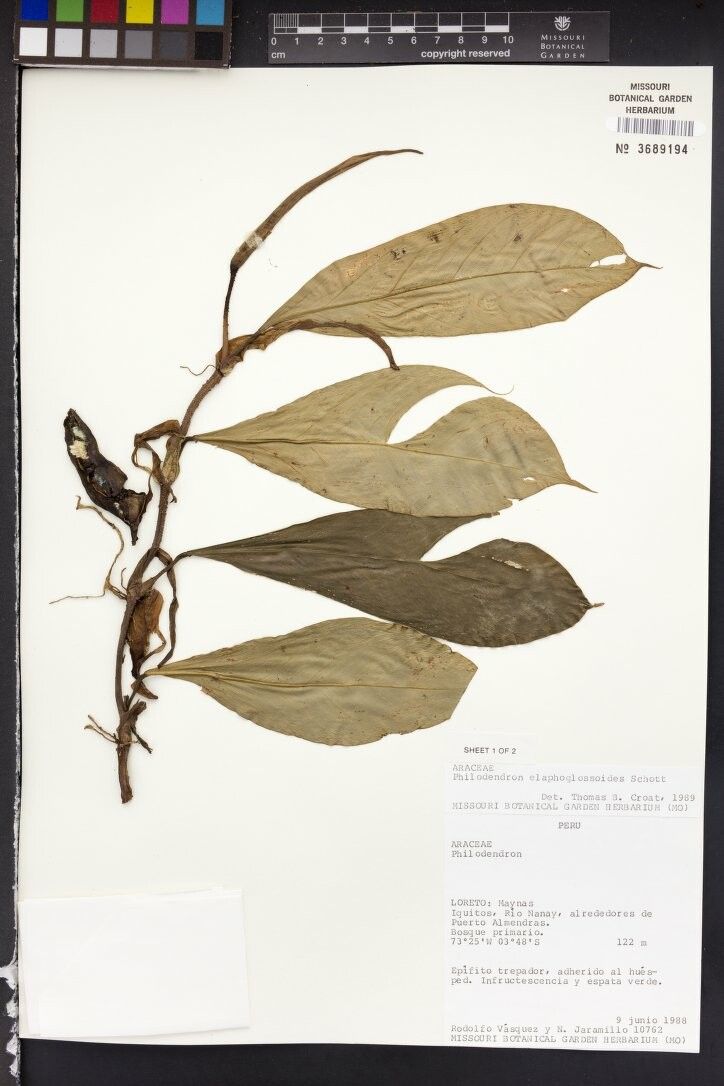
Oh, hello there! Pull up a chair and let’s chat about one of my absolute favorite houseplants: the Philodendron elaphoglossoides. If you’ve ever seen this beauty with its elegant, paddle-shaped leaves cascading down a moss pole or tumbling out of a hanging basket, you know exactly why it’s so captivating. It brings such a lush, jungle-like vibe to any space!
And the best part? It’s incredibly rewarding to propagate. Watching a tiny little cutting transform into a full-blown plant is pure magic. Now, for you beginners out there, I’ve got good news. The Philodendron elaphoglossoides is generally a pretty forgiving plant to propagate, which makes it a fantastic choice to get your hands dirty with.
The Best Time to Start
When it comes to getting the best results from your cuttings, spring and early summer are your golden ticket. This is when your plant is actively growing and has the energy to put into developing new roots. You’re essentially tapping into its natural growth spurt, which dramatically increases your chances of success. While you can propagate them at other times, you’ll likely see faster, more robust root development when you work with the plant’s natural rhythm.
Supplies You’ll Need
Before we get our hands in the soil (or water!), let’s gather our supplies. It’s always good to be prepared!
- Sharp Pruning Shears or Scissors: Cleanliness is key here to prevent disease.
- Rooting Hormone (Optional but Recommended): A little boost never hurt anyone! Look for a powder or gel.
- Well-Draining Potting Mix: A blend of potting soil, perlite, and orchid bark is ideal.
- Small Pots or Seedling Trays: Something to house your new baby plants.
- Clear Plastic Bag or Mini Greenhouse: To create a humid environment.
- Water: For water propagation.
- A Clean Glass Jar or Vase: For water propagation.
Propagation Methods
Now for the fun part – getting those new plants started!
Stem Cuttings: My Go-To Method
This is usually the easiest and most reliable way to multiply your Philodendron elaphoglossoides.
- Identify a Healthy Stem: Look for a mature stem that has at least two or three nodes. A node is that little bump on the stem where a leaf and aerial root grow from. This is where new roots will emerge.
- Make Your Cut: Using your clean shears, make a cut just below a node. You can take cuttings that include a leaf or two, or even just a section of stem with a node and an aerial root.
- Prepare Your Cutting: Remove any lower leaves that might sit below the soil line (or the water line, if you’re water propagating). This prevents them from rotting.
- Apply Rooting Hormone (Optional): Dip the cut end of your stem into rooting hormone, tapping off any excess.
- Plant Your Cutting: Gently insert the cut end into your prepared potting mix. Make sure at least one node is buried. Firm the soil around the stem.
- Create a Humid Environment: Water the soil lightly and then cover the pot with a clear plastic bag or place it in a mini greenhouse. This traps humidity, which is crucial for rooting. Make sure the leaves aren’t touching the plastic if possible.
- Place in Bright, Indirect Light: Find a warm spot that gets plenty of bright, indirect light, but no direct sun, which can scorch your delicate cuttings.
Water Propagation: The Patient Watcher
This method is incredibly satisfying because you can literally watch the roots grow!
- Take Your Cuttings: Follow steps 1-3 from the stem cutting method. Focus on cuttings with a healthy node and ideally an aerial root.
- Place in Water: Pop your cuttings into a clean glass jar or vase filled with room-temperature water. Make sure the node is submerged, but avoid having the leaves touch the water.
- Find the Right Spot: Place the jar in a location with bright, indirect light.
- Change the Water Regularly: This is key! Change the water every 2-3 days, or whenever it starts to look cloudy. This keeps it fresh and prevents bacterial growth.
The “Secret Sauce” (Pro Tips)
Here are a few little tricks I’ve picked up over the years:
- Bottom Heat is Your Best Friend: If you’re serious about speed and success, invest in a seedling heat mat. Placing your potted cuttings on one will provide gentle bottom heat, encouraging much faster root development, especially during cooler months.
- Don’t Rush the Transplant: With water propagation, I wait until the roots are at least an inch or two long and have developed a few branching roots before I even think about potting them up. Patience here prevents transplant shock.
- Aerial Roots are Gold: If your Philodendron elaphoglossoides has developed prominent aerial roots (those often fuzzy roots that grow from the stem), try to include one in your cutting. These are already programmed to seek out moisture and nutrients, giving you a head start.
Aftercare & Troubleshooting
Once you spot new roots appearing (you’ll tug gently on the cutting to feel resistance, or see them peeking out of the drainage holes if potted), it’s a sign to transition!
For potted cuttings, continue to keep the soil consistently moist but not soggy. Gradually reduce the humidity by opening the plastic bag or vent a little each day over a week. Once they seem robust, you can remove the covering entirely.
For water-propagated cuttings, gently pot them into well-draining soil as you would a potted cutting. Water them thoroughly after potting.
Now, what if things don’t go as planned? The most common culprit is rot. If you see your cutting turning black and mushy, or it readily falls apart, it’s usually a sign of too much moisture and not enough air circulation. Make sure your soil is airy, and in water propagation, that you’re changing the water frequently. If things get really bad, sadly, it might be time to try again with a fresh cutting.
A Encouraging Closing
Growing plants from cuttings is such a fulfilling journey. It’s an act of patience and observation, and when that first tiny new leaf unfurls on your propagated plant, it’s a moment of pure triumph. Don’t be discouraged if you have a few casualties along the way – it happens to all of us! Just keep trying, learn from each attempt, and most importantly, enjoy the process of bringing more green into your life. Happy propagating!
Resource:
https://identify.plantnet.org/k-world-flora/species/Philodendron%20elaphoglossoides%20Schott/data