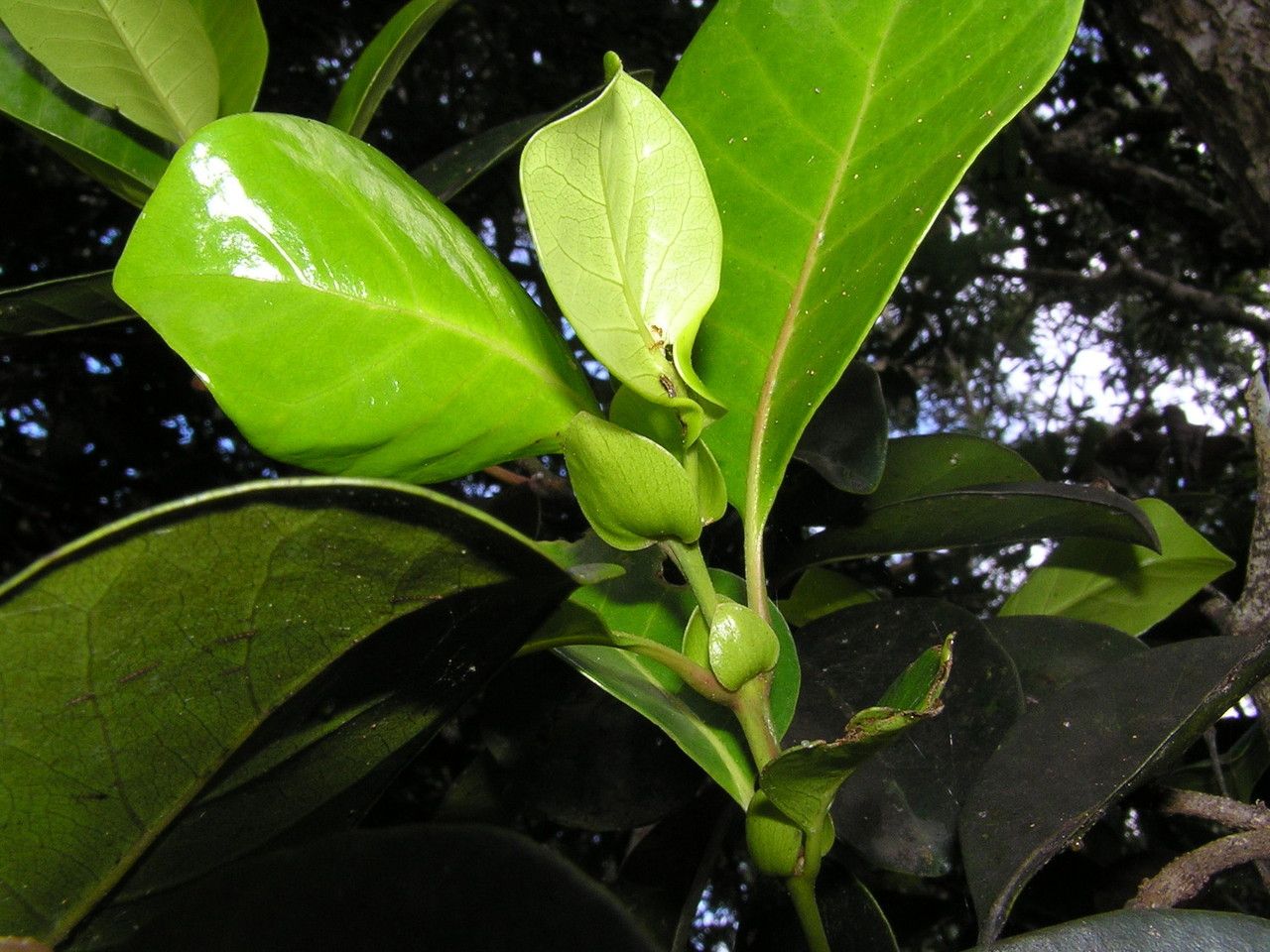
Hello there, fellow plant lovers! Today, we’re diving into the delightful world of Codia belepensis. If you’ve ever admired those gorgeous, textured leaves and unique growth habit of this tropical beauty, you’re in for a treat. Propagating your own Codia is incredibly satisfying. You get to watch a tiny piece of your beloved plant transform into a whole new one, and honestly, there’s nothing quite like a successful propagation to boost your gardening confidence. Now, is it a beginner-friendly plant to propagate? I’d say it’s moderately easy. With a little attention and the right approach, you’ll be well on your way to success.
The Best Time to Start
When it comes to Codia belepensis, the golden rule is to propagate during its active growing season. For most of us, that means spring or early summer. You’ll see new growth appearing, and the plant will have plenty of energy to dedicate to rooting. Trying to propagate when the plant is dormant is like asking someone to run a marathon on an empty stomach – it’s just not going to go as well! So, pick a time when your Codia is looking vibrant and ready to burst with life.
Supplies You’ll Need
Gathering your supplies beforehand makes the whole process much smoother. Here’s what you’ll want to have on hand:
- Sharp, clean pruning shears or a sharp knife: This is crucial for making clean cuts, which helps prevent disease.
- Well-draining potting mix: A good blend for propagation often includes perlite or vermiculite to improve aeration. You can also use a pre-made cactus/succulent mix.
- Small pots or seed trays: Choose something that fits your cuttings and allows for good drainage.
- Rooting hormone (optional but recommended): This can significantly speed up root development and increase success rates. Look for a powder or gel.
- Watering can or spray bottle: For gentle watering.
- Clear plastic bag or propagator lid: To create a humid environment.
- Patience! This is your most important tool.
Propagation Methods
Codia belepensis is wonderfully versatile, and I find stem cuttings to be the most reliable method for this plant.
Propagation by Stem Cuttings:
- Select a healthy stem: Look for a vibrant, non-flowering stem that is at least 4-6 inches long. Avoid very soft new growth or old, woody stems.
- Make a clean cut: Using your sharp shears or knife, make a clean cut just below a leaf node (where a leaf attaches to the stem). This is where new roots are most likely to form.
- Remove lower leaves: Gently strip off the leaves from the bottom half of your cutting. This prevents them from rotting in the soil and encourages rooting from the node.
- Apply rooting hormone (optional): Lightly dip the cut end into your rooting hormone, tapping off any excess.
- Plant your cutting: Fill your small pot with your prepared potting mix. Make a small hole in the center with your finger or a pencil. Insert the cut end of your stem into the hole, ensuring at least two leaf nodes are buried in the soil. Gently firm the soil around the cutting.
- Water gently: Water the soil lightly to help settle it around the cutting. Avoid soggy conditions.
- Create humidity: Cover the pot with a clear plastic bag (making sure the leaves don’t touch the sides) or place it in a propagator. This keeps the humidity high, which is vital for cuttings to root before they can take up water through roots.
The “Secret Sauce” (Pro Tips)
Every gardener has a few tricks up their sleeve, and here are mine for Codia belepensis propagation:
- Sterilize Everything: Before you start, give your pruners or knife a quick wipe with rubbing alcohol. This might seem like overkill, but it’s a simple step that can dramatically reduce the risk of introducing any nasty bacteria or fungi to your fragile cuttings.
- Bottom Heat is Your Friend: If you have an old heating mat for seedlings, now’s the time to use it! Placing your pots on a gentle heat source (around 70-75°F or 21-24°C) encourages root development without drying out the top of your cutting. I’ve found it makes a noticeable difference in the speed of root formation.
Aftercare & Troubleshooting
Once your cuttings are planted, check on them regularly but try not to disturb them too much. Keep the soil lightly moist, never waterlogged. The humidity dome is important, so mist the inside of the bag or open your propagator for a few minutes each day to allow for some air exchange.
You’ll know your cutting has rooted when you see new leaf growth or when you gently tug on the cutting and feel resistance. This usually takes anywhere from 4-8 weeks, sometimes longer. Once roots have formed and new growth is evident, you can gradually remove the humidity dome over a week or so to acclimate your new plant to normal room humidity.
What if things go wrong? The most common culprit is rot. If your cutting turns mushy or black at the soil line, it’s likely suffering from too much moisture. Unfortunately, there isn’t much you can do to save a rotted cutting. If the leaves start to yellow excessively and shrivel, it might be too dry or not getting enough light. Ensure it’s in bright, indirect light and that the soil is consistently, but not overly, moist.
There you have it! Propagating Codia belepensis is a truly rewarding journey. Be patient, enjoy the process of nurturing these new plants, and celebrate every little sign of progress. Happy growing!
Resource:
https://identify.plantnet.org/k-world-flora/species/Codia%20belepensis%20H.C.Hopkins/data