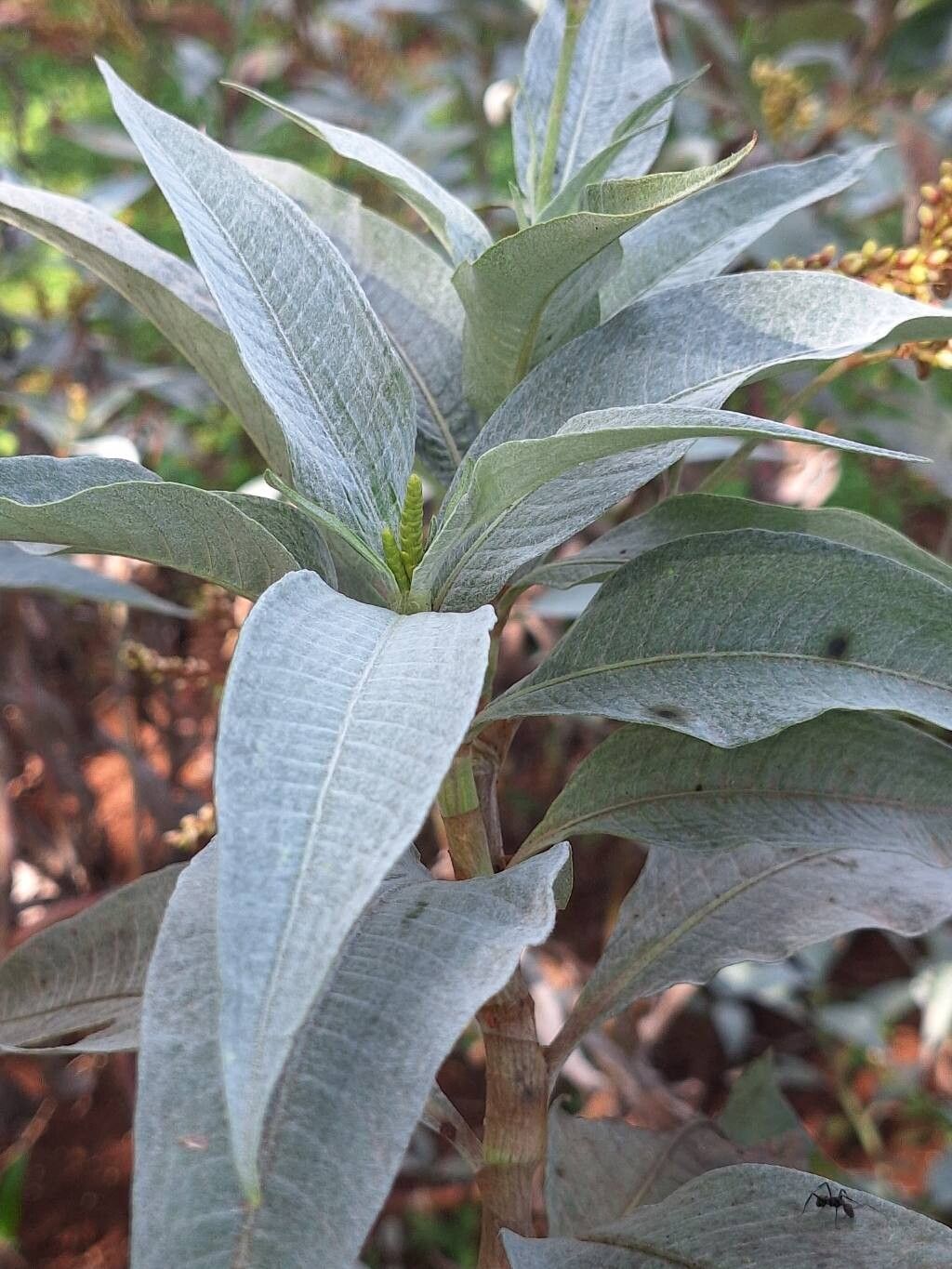
Hey there, fellow plant lovers! It’s so good to have you join me today in my garden (virtually, of course!). We’re going to talk about a plant that has truly captured my heart over the years: Persicaria senegalensis. You might know it as the Dragon’s Tongue or African Bistort, and oh, what a showstopper it is! Its vibrant, often ruby-red or pink spires are a magnet for pollinators, and its lush, architectural foliage adds such a dramatic flair to any corner of the garden.
Now, I get asked all the time, “Can I propagate this beauty?” And my answer is a resounding yes! It’s one of those plants that generously rewards your efforts to grow more of it. For beginners, I’d say Persicaria senegalensis is moderately easy to propagate. It’s not quite as bulletproof as a succulent, but with a little attention, you’ll be well on your way to doubling or tripling your plant collection. It’s a wonderfully rewarding journey, seeing a tiny cutting transform into a mature specimen.
The Best Time to Start
For the highest success rate with Persicaria senegalensis, I always aim to start my propagation efforts in late spring or early summer. This is when the plant is in its active growing phase. New growth is usually more vigorous and more receptive to rooting. Wait until the danger of frost has completely passed in your area. Trying too early, or when the plant is dormant, can lead to disappointment.
Supplies You’ll Need
Gathering your supplies beforehand makes the whole process so much smoother. Here’s what I usually have on hand:
- Sharp pruning shears or clean knife: For making clean cuts.
- Rooting hormone (optional but recommended): A powder or gel to encourage root development.
- Well-draining potting mix: A good blend of peat moss or coir, perlite, and a little compost works wonders. Avoid anything too heavy.
- Small pots or trays: Clean containers with drainage holes.
- Plastic bags or domes: To create a humid environment.
- Watering can or spray bottle: For gentle watering.
- Labels: Don’t forget to label your cuttings!
Propagation Methods
Persicaria senegalensis is quite adaptable, but I find two methods work exceptionally well: stem cuttings and water propagation.
Stem Cuttings: My Go-To Method
This is my favorite way to multiply my Persicaria senegalensis. It’s efficient and usually yields fantastic results.
- Select New Growth: Look for healthy, non-flowering shoots from the current year’s growth. They should be about 4-6 inches long.
- Make the Cut: Using your sharp shears or knife, make a clean cut just below a leaf node (where a leaf attaches to the stem). This node is where roots are most likely to form.
- Prepare the Cutting: Remove the lower leaves, leaving just a couple of leaves at the very top. This prevents them from rotting in the soil. If the remaining leaves are quite large, you can even cut them in half to reduce water loss.
- Apply Rooting Hormone: Dip the cut end into your rooting hormone. Gently tap off any excess.
- Plant Your Cuttings: Fill your clean pots with your well-draining potting mix. Make a small pilot hole with your finger or a pencil. Insert the prepared cutting into the hole, ensuring the leaf nodes are below the soil surface. Gently firm the soil around the stem.
- Create Humidity: Water the soil gently until it’s moist but not soggy. Then, cover the pot with a clear plastic bag or a propagation dome. This creates a humid microclimate, which is crucial for cuttings to root.
Water Propagation: The Visible Reward
This is a fun one because you can actually see the roots forming!
- Take Cuttings: Follow steps 1 and 2 from the stem cutting method.
- Remove Lower Leaves: Just like before, remove any leaves that would be submerged in water.
- Place in Water: Put your prepared cuttings in a clean jar or vase filled with fresh water.
- Positioning is Key: Make sure no leaves are touching the water. They will rot quickly and can spread that rot to the stem.
- Change Water Regularly: Change the water every 2-3 days to keep it fresh and prevent bacterial growth.
The “Secret Sauce” (Pro Tips)
Here are a few little tricks that I’ve learned over my gardening years that really boost success rates:
- The Power of Bottom Heat: If you have a propagation mat or can place your pots in a warm spot (like on top of a refrigerator), applying gentle bottom heat can significantly speed up root formation. It mimics the warmth of spring soil and really encourages those roots to emerge.
- Don’t Overwater! This is probably the most common mistake. Cuttings need moisture, but they don’t want to sit in soggy soil. It’s the fastest way to invite root rot. Aim for consistently moist, not wet, soil.
- Air Circulation Matters: While you want to maintain humidity, occasional ventilation is also important. If using a plastic bag, open it up for a few hours each day to allow for some air exchange. This helps prevent fungal diseases.
Aftercare & Troubleshooting
Once you see new leaf growth or a good network of roots emerging from the drainage holes, your cutting is likely established!
- Gradually Acclimate: If your cuttings were covered, slowly introduce them to less humid conditions over a week or so. This helps prevent transplant shock.
- Potting Up: Once your cuttings have a robust root system, it’s time to pot them into their own individual containers using that same well-draining potting mix.
- Keep Them Moist: Continue to water regularly, allowing the soil to dry out slightly between waterings.
- Watch for Rot: The most common sign of failure is rotting at the base of the stem. If the stem turns mushy and black, it’s a lost cause. This is usually due to overwatering or poor air circulation.
- Wilting: Some wilting is normal initially, especially when moving from a humid environment. However, if the cuttings remain wilted and limp after a few days, they may not have rooted successfully or are drying out too much.
A Encouraging Closing
See? Not so daunting, is it? Propagating Persicaria senegalensis is a wonderful way to enjoy more of this stunning plant without buying new ones. Be patient. Sometimes it takes a few weeks for roots to appear, and that’s perfectly fine. Just keep them in a bright spot, maintain consistent moisture, and let nature do its thing. You’ll be rewarded with beautiful new plants to share or to fill your own garden with even more color. Happy propagating!
Resource: