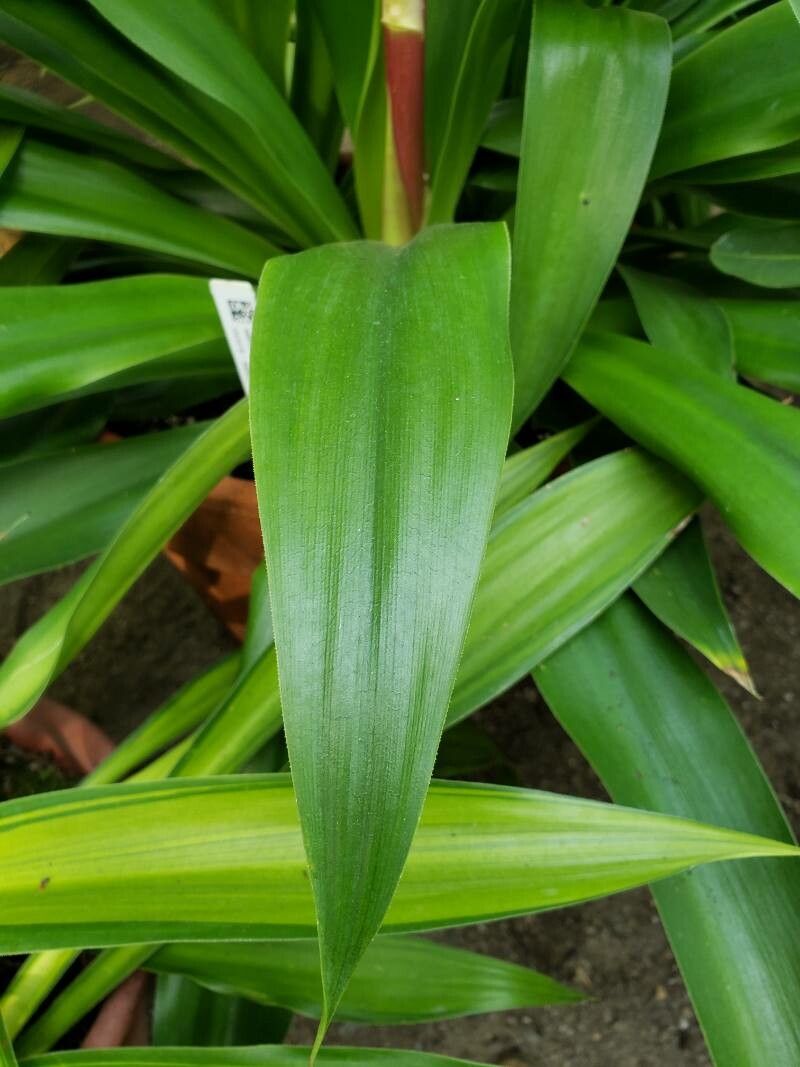
Oh, the joy of bringing new life into your garden! And when it comes to a plant as striking as Beschorneria septentrionalis, well, that’s just doubly rewarding. You know, these beauties, with their elegant, arching leaves and those incredible, spiky flower stalks that seem to reach for the sky – they’re not just plants, they’re living sculptures. Propagating them yourself? It’s like unlocking a little bit of gardening magic, and I’m so glad you’re here to learn how.
Are they a beginner-friendly plant to propagate? Honestly, Beschorneria septentrionalis can be a little bit fussy, but with a bit of know-how and patience, you’ll be well on your way. It’s not impossible; it just requires a gentle hand and observation.
The Best Time to Start
For the highest chance of success, I always recommend starting your propagation efforts in late spring or early summer. This is when the plant is actively growing and has the most energy to produce new roots. You’ll get the best results from healthy, mature plants that are showing good vigor. Avoid propagating right after flowering; let the mother plant recover her strength first.
Supplies You’ll Need
Gathering your supplies beforehand makes the whole process smoother. Here’s what I keep on hand:
- Sharp, clean pruning shears or a sharp knife: Essential for making clean cuts to avoid tearing.
- A well-draining potting mix: I find a cactus or succulent mix works wonderfully, or you can create your own by blending potting soil with perlite or pumice (about a 50/50 ratio).
- Small pots or rooting trays: Clean and with drainage holes, of course!
- Rooting hormone (optional but helpful): A powder or gel can give your cuttings a good boost.
- Watering can or spray bottle: For gentle watering.
- Labels and a marker: To keep track of what you’ve potted and when.
Propagation Methods
Beschorneria septentrionalis is most commonly propagated by division, and I find this to be the most reliable method for home gardeners. While you can attempt offsets if you find them, division offers the best control and success rate.
Division Method:
- Prepare Your Mother Plant: Gently remove the Beschorneria from its pot. If it’s in the ground, carefully dig around the root ball, trying to disturb it as little as possible.
- Locate Divisions: Look for lateral offsets or pups that are growing at the base of the mother plant. These are essentially smaller plants attached to the main root system. You want to find ones that are a decent size, with their own small root structure already starting.
- Make the Cut: Using your sharp, clean pruners or knife, carefully make a cut to separate a division from the parent plant. Try to get as many healthy roots as possible attached to the division. If the division is stubborn, you might need to gently tease apart the roots, but be as delicate as you can.
- Allow to Callus: This is a crucial step! Once you’ve separated the division, let it sit in a dry, shaded spot for a day or two. This allows the cut end to dry out and form a protective callus. This callus prevents rot from setting in.
- Pot Up: Prepare your small pots with your well-draining potting mix.
- Plant the Division: Plant the callused division into the pot, ensuring the base is at soil level. Do not water immediately. Wait about a week before giving it a light drink.
The “Secret Sauce” (Pro Tips)
Here are a couple of things I’ve learned over the years that make a real difference:
- Less is More with Water Initially: For those divisions, avoid overwatering like the plague for the first few weeks. New roots are fragile and prone to rot if sitting in soggy soil. I like to wait until I see some tiny new leaf growth before I water more regularly.
- Airflow is King: Make sure your potted divisions have good air circulation. This helps to keep the soil from staying too moist and discourages fungal issues. Don’t crowd them too much.
Aftercare & Troubleshooting
Once your divisions are happily potted, place them in a bright spot that receives indirect sunlight. Direct hot sun can scorch those delicate new plants. Keep the soil lightly moist, allowing it to dry out slightly between waterings. You’ll know roots are forming when you start to see new leaf growth.
The most common issue you’ll encounter is rot. If you notice your division becoming mushy, discolored, or drooping dramatically, it’s likely a sign of overwatering. Unfortunately, if rot sets in deep, it’s often hard to save. Prevention is key here, so remember that well-draining soil and cautious watering are your best friends.
A Encouraging Closing
Starting new plants is such a rewarding journey, isn’t it? Be patient with your Beschorneria divisions. They take their time, but when they finally take hold and start to grow, it’s a moment of pure gardening triumph. Enjoy the process, observe your plants, and celebrate every sign of progress. Happy propagating!
Resource: