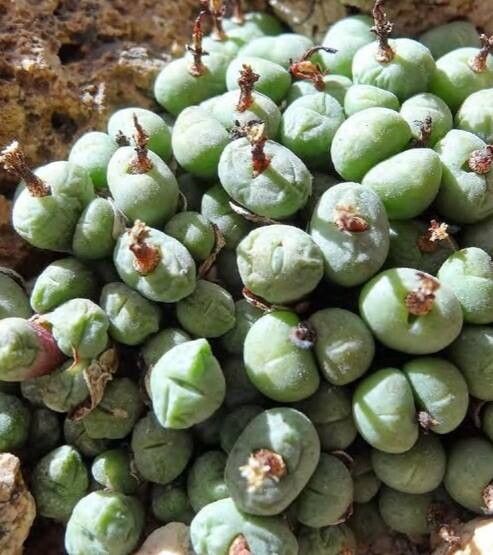
Hello fellow plant enthusiasts! Today, we’re diving into the wonderfully unique world of Conophytum piluliforme. If you’ve ever seen these quirky little succulents, you know they have a charm all their own. Their segmented, pea-like bodies are just fascinating to behold. And guess what? Propagating them can be incredibly rewarding, allowing you to expand your collection or share these beauties with friends.
Now, for the honest truth: Conophytum piluliforme isn’t the absolute easiest plant to start from scratch, especially for absolute beginners. It requires a bit of patience and attention to detail. But don’t let that deter you! With a little guidance, you can absolutely achieve success, and the feeling of nurturing a new plant from a tiny piece is just fantastic.
The Best Time to Start
The sweet spot for propagating Conophytum piluliforme is really when the plant is actively growing, which for most of these little guys, means late spring through early summer. This is when they have plenty of energy to put into developing roots. You’ll want to choose a healthy, mature plant to take cuttings from; avoid any that look stressed or are in their dormant phase.
Supplies You’ll Need
Gathering your supplies beforehand makes the whole process much smoother. Here’s what I usually have on hand:
- Well-draining succulent or cactus mix: This is non-negotiable! I often mix my own with equal parts potting soil, coarse sand, and perlite.
- Sharp, clean pruning shears or a razor blade: For making clean cuts to minimize damage.
- Rooting hormone (optional but recommended): A little boost can help speed things up.
- Small pots or trays: Whatever you prefer for starting your new cuttings. Make sure they have drainage holes.
- A spray bottle: For gentle watering.
- A small trowel or dibber: To create holes for planting.
- Gloves: To keep your hands clean.
Propagation Methods
For Conophytum piluliforme, the most straightforward and successful method is division. These plants naturally form clumps, and separating them is like giving them a fresh start.
Division Method:
- Gently unpot your mature plant. Brush away as much of the old soil as you can from the root ball with your fingers or a soft brush.
- Inspect the clump. You’re looking for natural divisions. You can usually see where one body meets another.
- Carefully pull the clump apart. Try to separate them into pieces that have at least a few “bodies” on them and some intact roots. If a few roots break, don’t panic.
- Allow the cuts to callus. This is crucial! Lay the separated pieces in a dry, airy spot (out of direct sun) for 2-3 days. This allows the cut ends to dry out and form a protective callus, which helps prevent rot.
- Pot them up. Plant each division in its own small pot filled with your well-draining succulent mix. Bury the root portion, but don’t pack the soil too tightly.
- Wait to water. Resist the urge to water immediately. Wait at least a week after potting before giving them their first light watering. This gives any remaining small wounds time to heal.
The “Secret Sauce” (Pro Tips)
Here are a couple of things I’ve learned over the years that really make a difference:
- Don’t drown your babies! When you do start watering after division, be very sparing. A light misting or watering just enough to moisten the soil is plenty. Overwatering is the fastest way to lose these delicate plants, especially when they’re trying to establish roots.
- Think about where you put them. New divisions love bright, indirect light. Avoid intense, direct sun for the first few weeks, as it can scorch their delicate new growth. A windowsill that gets morning sun is often perfect.
Aftercare & Troubleshooting
Once your divided Conophytum piluliforme has established, you can begin to treat it much like your established plants. Water only when the soil is completely dry, which might be quite infrequently depending on your climate.
The most common sign of distress is rot. If you see a cutting turning mushy, black, or translucent, it’s likely suffering from too much moisture. Unfortunately, if rot sets in deep, it’s often difficult to save. This is why the callusing period and careful watering are so important. Another sign of trouble is if the plant just shrivels up and doesn’t seem to be plumping up – this could indicate a lack of roots and insufficient watering, or potentially a pest issue.
A Note of Encouragement
Propagating Conophytum piluliforme is an exercise in patience and observation. Sometimes they take their sweet time to show signs of growth, and that’s perfectly normal. Don’t get discouraged if your first attempt isn’t a roaring success. Every plant you nurture teaches you something new. Enjoy the process, celebrate the small wins, and before you know it, you’ll have a wonderful new collection of these fascinating Conophytums! Happy gardening!
Resource: