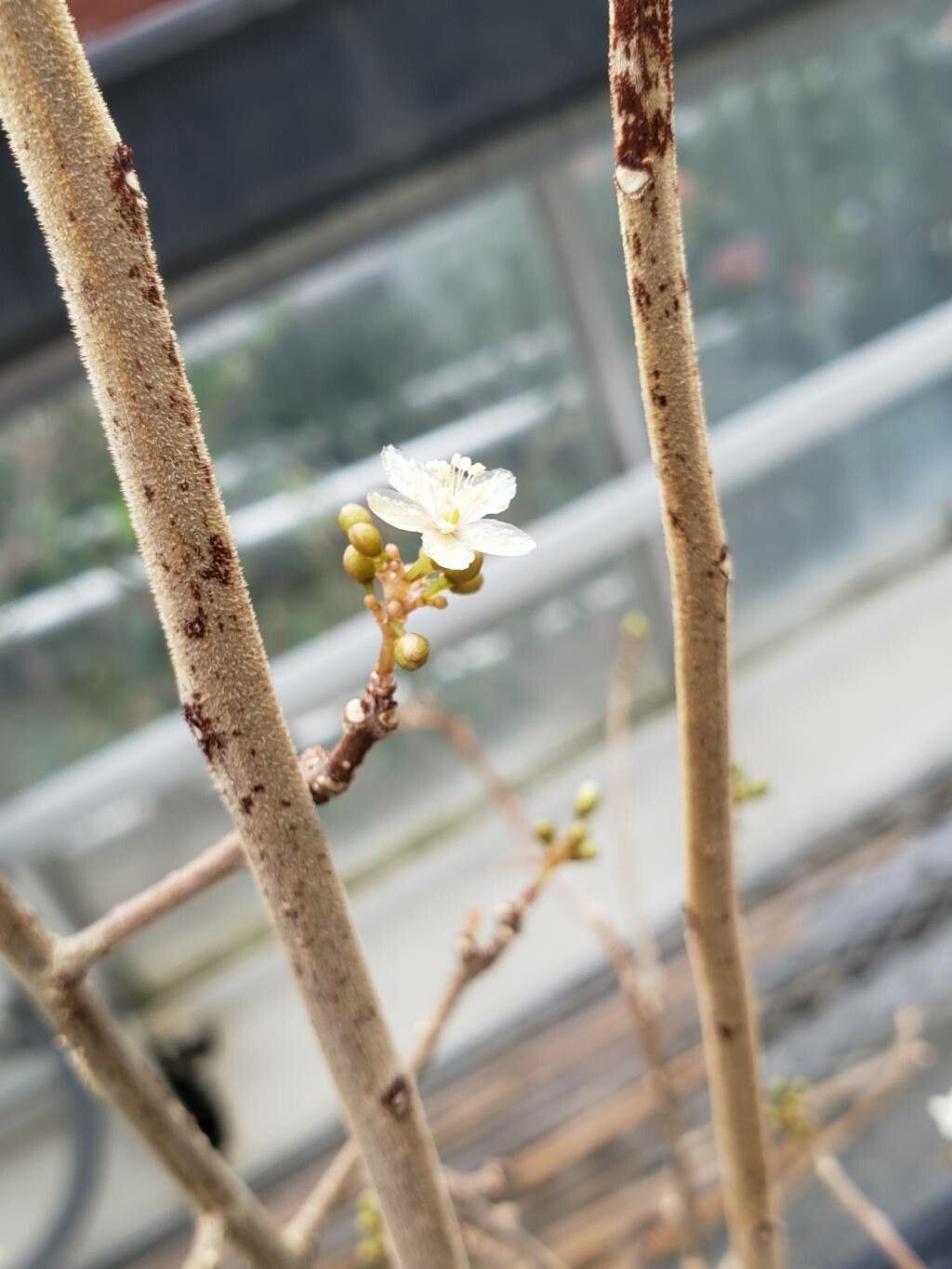
Oh, hello there, fellow plant enthusiast! I’m so happy you’re here. Today, we’re going to dive into a little gem that always brings a smile to my face: Talinum pachypodum. This succulent relative, with its charming fleshy leaves and delicate pink flowers, is a real delight in any garden or windowsill. And the best part? It’s wonderfully rewarding to propagate! I’ve found it to be quite forgiving, making it a lovely project for both seasoned gardeners and those just starting to get their hands dirty.
The Best Time to Start
For Talinum pachypodum, I’ve found that spring and early summer are your golden tickets. This is when the plant is actively growing, pushing out new shoots and generally full of vigor. Starting propagation during this active growth phase means your cuttings or divisions will have the best chance to root quickly and healthily. Waiting until the heat of midsummer or the chill of autumn can slow things down, so aim for that sweet spot of renewed growth.
Supplies You’ll Need
Here’s what I usually gather before a propagation session:
- Sharp, clean pruning shears or a sharp knife: Sanitize them with rubbing alcohol to prevent any nasty bugs or diseases from hitching a ride.
- Well-draining potting mix: A cactus and succulent mix works perfectly. You can also make your own by combining potting soil with perlite or coarse sand.
- Small pots or containers: Clean ones, of course! Terracotta pots are great because they allow the soil to breathe.
- Rooting hormone (optional but helpful): A little sprinkle can give your cuttings a boost.
- Watering can or spray bottle: For gentle watering.
- A sunny spot: Bright, indirect light is key.
Propagation Methods
Talinum pachypodum is a trooper, and it’s pretty happy to be propagated in a couple of ways.
Stem Cuttings: My Go-To Method
This is how I usually get the most bang for my buck with Talinum.
- Take your cuttings: Look for healthy stems that are at least 3-4 inches long. Using your clean shears or knife, make a clean cut just below a leaf node. This is where the magic happens—that’s where the roots will emerge.
- Let them callus: This is crucial! Remove the lower leaves from your cutting, leaving a few at the top. Then, let the cut end dry out and callus over for a day or two in a dry, shaded spot. You’ll see a little dry scab form. This prevents rot when you plant it.
- Dip in rooting hormone (if using): Lightly dip the callused end into your rooting hormone powder.
- Plant your cuttings: Gently insert the callused end of each cutting into your well-draining potting mix. Don’t pack the soil too tightly around the stem.
- Water lightly: Give them a gentle watering. You don’t want them sitting in soggy soil.
Division: For Established Plants
If you have a mature Talinum pachypodum that’s looking a bit crowded, division is a wonderful way to give it some breathing room and get more plants to boot!
- Gently unpot the plant: Carefully ease the entire plant out of its container.
- Loosen the soil and identify growth points: Use your fingers or a chopstick to gently tease away some of the soil from the root ball. You’ll be looking for natural breaks in the plant, where new stems or crowns are emerging.
- Separate the divisions: With clean hands or a sharp knife, gently pull or cut the plant into smaller sections. Make sure each division has some healthy roots attached.
- Pot up the divisions: Plant each new division in its own pot with fresh, well-draining soil. Water lightly as you would a new cutting.
The “Secret Sauce” (Pro Tips)
Here are a couple of things I’ve learned over the years that really help:
- Avoid direct water contact for cuttings: When you’re propagating stem cuttings, never let the remaining leaves touch the soil surface. Moisture trapped between the leaves and the soil is a fast track to rot. Keep them lifted.
- Bottom heat is your friend: If you happen to have a heat mat designed for seedlings, placing your pots on it can significantly speed up root development, especially if your house is on the cooler side. It mimics that lovely warm spring soil.
- Don’t overwater, EVER: This is probably the single most important tip for succulents and succulent-like plants. Err on the side of underwatering. A slightly dry root system is much happier than a waterlogged one.
Aftercare & Troubleshooting
Once your cuttings have struck roots (you can gently tug on a stem – if there’s resistance, you have roots!), or your divisions have settled in, treat them like young plants. Water them only when the soil feels dry to the touch. Keep them in bright, indirect sunlight. Direct sun can scorch tender new growth.
Now, what if things go wrong? The most common culprit is rot. If you see your cuttings or divisions looking limp, mushy, or developing black spots, it’s usually a sign of too much moisture. Unfortunately, if rot sets in, it’s hard to save that particular piece. Prevention is key here: use well-draining soil, don’t overwater, and ensure good air circulation. If you’re seeing wilting and the soil is bone dry, then you know it’s time for a drink!
Happy Growing!
Propagating Talinum pachypodum is a joy. It’s a chance to meet your plant on a different level, to understand its growth cycle and to share its beauty with others. Don’t be discouraged if every single cutting doesn’t make it. Gardening is about learning and experimenting. Be patient, observe your plants, and most importantly, enjoy the process of bringing new life into your garden. Happy propagating!
Resource: