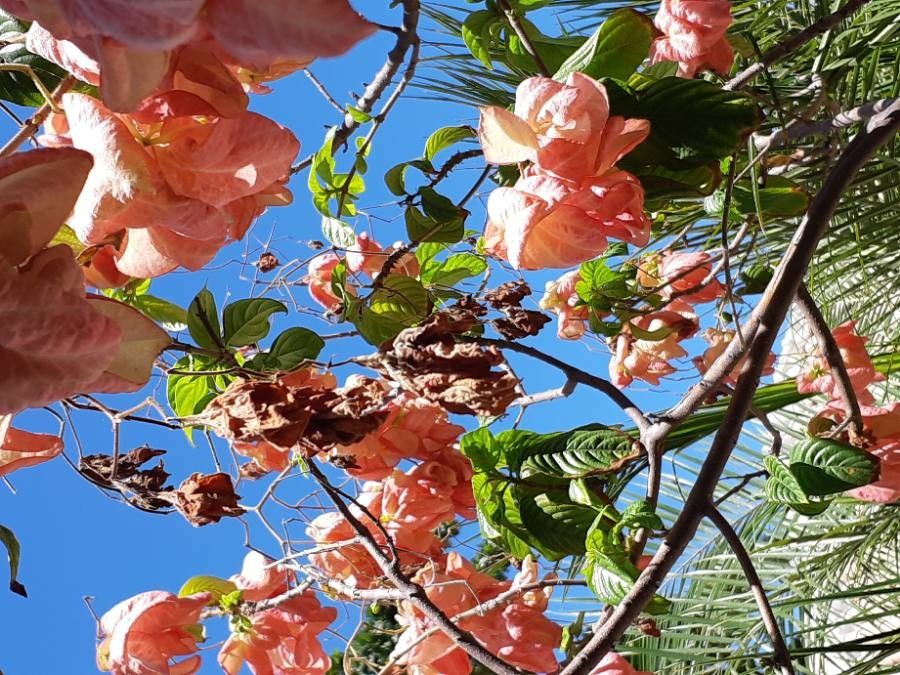
Hello there, fellow garden enthusiasts! It’s so lovely to connect with you today. I’m thrilled to chat about one of my absolute favorites: Ipomoea heptaphylla, or as it’s sometimes known, the seven-fingered morning glory. If you’re drawn to vibrant blooms and a touch of the exotic, this vine is a real showstopper. Its beautiful, trumpet-shaped flowers are a delight, and the sheer joy of creating new plants from your existing treasures is incredibly rewarding. Now, I know some plants can feel a bit intimidating to propagate, but I’m happy to tell you that Ipomoea heptaphylla is a wonderfully generous plant to work with, even for those just starting their propagation journey.
The Best Time to Start
For the absolute best success, I always aim to propagate Ipomoea heptaphylla during its active growing season. Think late spring and early summer. The plant is full of vigor then, and the cuttings have a fantastic chance of rooting quickly. You want to grab cuttings from stems that are firm but not woody – that tender, yet sturdy, stage is key.
Supplies You’ll Need
Gathering your tools beforehand makes the whole process so much smoother. Here’s what I usually have on hand:
- Sharp pruning shears or a clean knife: For making clean cuts.
- Rooting hormone (powder or gel): While not always essential, it can give your cuttings a significant boost.
- Small pots or seed trays: Clean ones, please!
- A well-draining potting mix: I like a blend of peat moss, perlite, and a little compost. You could also use a specific seed-starting mix.
- Watering can with a fine spray: To avoid disturbing your cuttings.
- A plastic bag or clear propagator lid: To create a humid environment.
- Optional: Bottom heat mat: This can really speed things up!
Propagation Methods
Ipomoea heptaphylla is quite obliging and can be propagated from stem cuttings. This is generally the most straightforward and successful method for this vine.
Stem Cuttings:
- Select your material: Find a healthy, non-flowering stem on your mature plant. Look for a section that has at least two or three sets of leaves.
- Make the cut: Using your sharp shears or knife, make a clean cut just below a leaf node (where a leaf attaches to the stem). You’re aiming for cuttings that are about 4-6 inches long.
- Prepare the cutting: Gently remove the lower leaves from the cutting, leaving just one or two at the very top. This prevents them from rotting in the soil.
- Apply rooting hormone: Dip the cut end of the stem into your rooting hormone powder or gel. Tap off any excess.
- Plant the cutting: Fill your small pots with your well-draining potting mix. Make a small hole in the center with a pencil or your finger. Insert the cut end of the stem into the hole, ensuring the leaf nodes you removed are below the soil surface. Gently firm the soil around the cutting.
- Water gently: Water thoroughly but gently. You want the soil to be moist, not waterlogged.
- Create humidity: Cover the pot with a clear plastic bag or a propagator lid. Make sure the bag doesn’t touch the leaves of the cutting. If it does, you can support it with stakes or skewers.
- Find a good spot: Place the pot in a bright location out of direct sunlight. The warmth of a windowsill is usually perfect.
The “Secret Sauce” (Pro Tips)
I’ve learned a few little tricks over the years that can really give your Ipomoea heptaphylla cuttings a better start:
- Bottom heat is your friend! Especially if your place tends to be on the cooler side, placing your pots on a gentle bottom heat mat can make a remarkable difference. It encourages root development from below, giving your cuttings a real boost.
- Don’t be tempted to overwater. I know it’s a delicate balance, but soggy soil is the quickest way to heartbreak. Check the soil moisture regularly, and only water when the top inch feels dry.
- A gentle misting helps. While we want to avoid soggy soil, the leaves themselves enjoy a bit of ambient humidity. A light misting of water over the leaves a couple of times a day can be beneficial, especially before you put the plastic cover on.
Aftercare & Troubleshooting
Once your cuttings are planted, the real waiting game begins! Keep that plastic cover on to maintain humidity. You should start to see signs of new leaf growth within a few weeks. This is a good indicator that roots are forming.
When to transplant: You’ll know your cutting has rooted successfully when you see noticeable new growth and feel some gentle resistance when you lightly tug on the stem. At this point, you can carefully remove the plastic cover and gradually acclimatize your new plant to less humid conditions over a few days. Water it as you would a young plant.
Signs of failure: The most common issue you might encounter is rot. If your cutting turns mushy, black, or smells unpleasant, it’s likely rotted. This is usually due to too much moisture or poor air circulation. The best thing to do is to discard the affected cutting and start again, paying close attention to watering and humidity levels. Sometimes, cuttings just don’t take, and that’s okay too! It’s all part of the gardening learning curve.
A Gentle Encouragement
Taking cuttings and nurturing new life is such a rewarding part of gardening. Be patient with your Ipomoea heptaphylla cuttings. They’re wonderfully resilient, and with a little care and attention, you’ll soon have a whole new collection of these beautiful vines to adorn your garden or share with friends. Enjoy every step of the process! Happy gardening!
Resource:
https://identify.plantnet.org/k-world-flora/species/Ipomoea%20heptaphylla%20Sweet/data