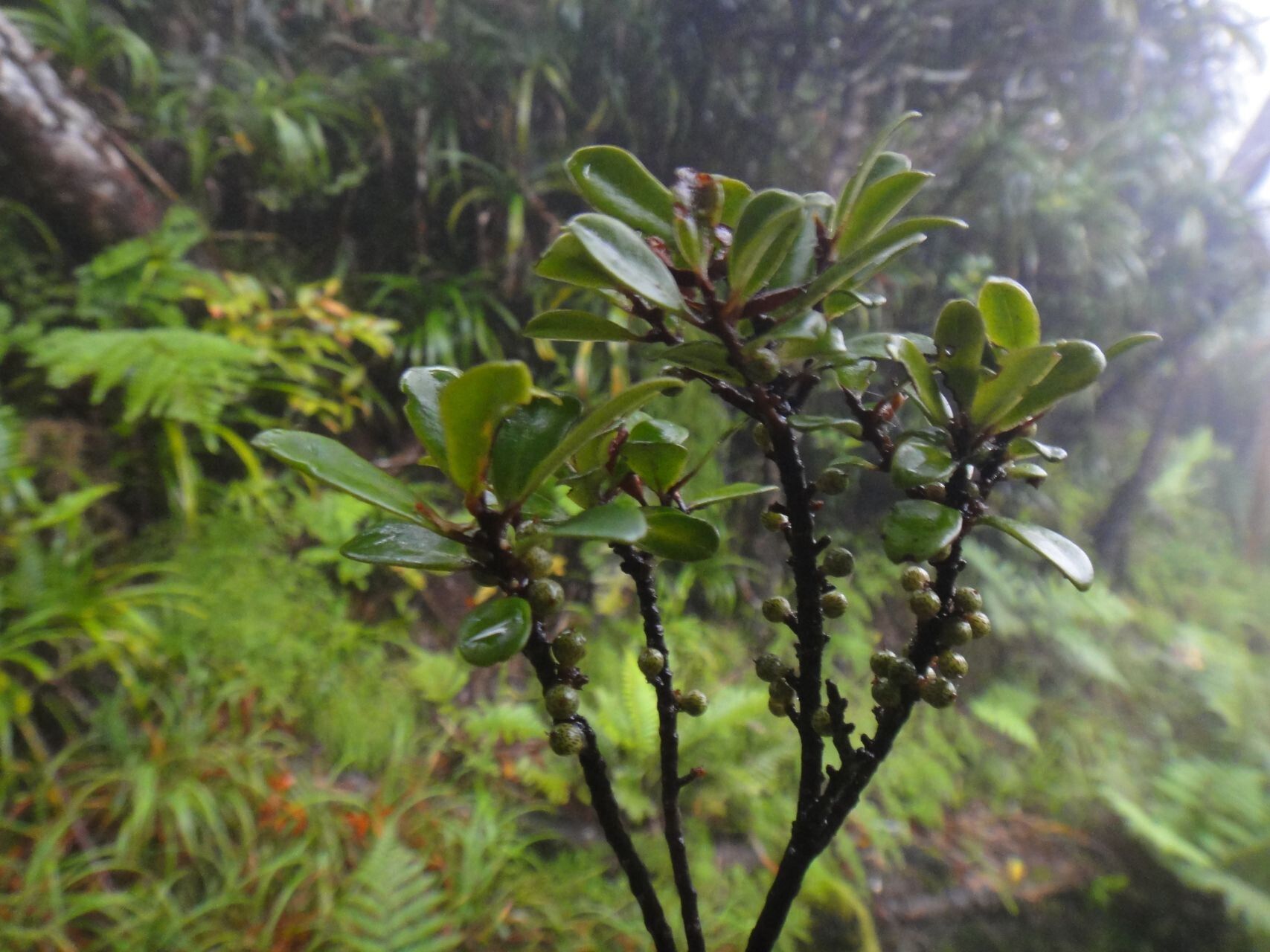
Oh, Myrsine asymmetrica! If you’ve ever admired its glossy, dark green leaves and compact, bushy habit, you’re not alone. It’s such a handsome plant, isn’t it? Bringing a touch of understated elegance to any corner. And the best part? You can have more of them! Propagating Myrsine can be incredibly satisfying, like growing your own little garden of these beauties. For beginners, it’s a good one to try – a little patience goes a long way, and I’ve found it to be quite forgiving.
The Best Time to Start
When it comes to getting the highest success rate, I always lean towards propagating in late spring through early summer. This is when the plant is really in its active growing phase. You’ll want to take cuttings from stems that are new growth but have started to harden off a bit – we call these “semi-hardwood” cuttings. They’re not floppy and green, but they’re not old and woody either. That sweet spot is key.
Supplies You’ll Need
Before we get our hands dirty, let’s make sure we have everything ready. It avoids that frustrating dash to the garden center mid-task!
- Sharp Pruning Shears or a Clean Knife: For taking clean cuts. We don’t want to crush those delicate stems.
- A Good Potting Mix: I like a well-draining mix. A good blend of peat moss or coco coir, perlite, and a bit of compost usually does the trick. You can also buy specialized rooting mixes.
- Small Pots or Trays: Clean ones are a must to prevent diseases from creeping in.
- Rooting Hormone (Optional but Recommended): I swear by it! It really gives your cuttings a boost and helps them develop roots faster. Look for one that’s suitable for semi-hardwood cuttings.
- Water: For, well, watering.
- A Plastic Bag or Clear Dome: To create a humid environment around your cuttings.
- A Potting Fork or Pencil: For making planting holes.
Propagation Methods: Stem Cuttings
This is my go-to method for Myrsine asymmetrica, and it’s usually very fruitful.
- Select Your Cuttings: Find healthy, vigorous stems on your mature plant. Look for shoots that are about 4-6 inches long and have started to firm up – that semi-hardwood stage we talked about.
- Make the Cut: Using your clean shears or knife, take a straight, clean cut just below a leaf node. A node is where a leaf attaches to the stem. This is where the magic happens, where roots are most likely to form.
- Prepare the Cuttings: Gently remove the leaves from the bottom half of the cutting. You want to expose those leaf nodes. Any leaves left on the bottom part are likely to rot once you plant them. You can also take a sharp knife and lightly scrape a thin strip of bark off the bottom inch of the stem, if you like. This can encourage root formation.
- Apply Rooting Hormone: Dip the cut end of the stem into your rooting hormone, tapping off any excess.
- Plant Your Cuttings: Make a pilot hole in your potting mix with a pencil or potting fork. This prevents you from rubbing off that precious rooting hormone. Gently insert the cutting into the hole, ensuring the nodes are buried in the soil. Firm the soil gently around the base.
- Water Gently: Water the pot thoroughly but gently, so you don’t dislodge the cuttings.
The “Secret Sauce” (Pro Tips)
Here are a few little tricks I’ve picked up over the years that can make all the difference:
- Create the Humidity Dome: Once your cuttings are planted, cover the pot with a clear plastic bag or a humidity dome. Make sure the leaves don’t touch the plastic. You can prop the bag up with a few stakes if needed. This traps moisture and keeps the cuttings from drying out before they can root.
- Bottom Heat is Your Friend: If you have a heating mat designed for propagation, place your pots on it. This gentle warmth from below encourages faster root development. It’s like giving them a warm hug!
- Don’t Over-Water: This is a big one! While they need moisture, soggy soil is a recipe for rot. Stick your finger about an inch into the soil. If it feels dry, then it’s time to water.
Aftercare & Troubleshooting
Once your cuttings have roots – and you’ll know when you gently tug on them and feel resistance – it’s time to give them a little more space.
- Acclimatize: Before you remove the humidity dome permanently, gradually introduce them to lower humidity levels over a week or so. Take the dome off for a few hours a day, then longer periods.
- Potting Up: When they have a good root system, carefully transplant them into their own individual small pots using a good quality potting mix.
- Keep Them Moist: Continue to water them regularly, but again, avoid waterlogged conditions.
- Watch for Rot: The biggest tell-tale sign of failure is rotting. Your cuttings will turn brown and mushy. This usually points to too much moisture and not enough air circulation. If you see this, unfortunately, it’s best to discard the affected cuttings and start fresh. Other signs of struggle can be yellowing leaves or wilting.
A Encouraging Closing
So there you have it! Growing new Myrsine asymmetrica from cuttings is a truly rewarding process. Don’t be discouraged if your first few attempts aren’t perfect. Gardening is all about learning and experimenting. Be patient, keep an eye on your cuttings, and enjoy the journey of nurturing these little green shoots into beautiful new plants. Happy growing!
Resource: