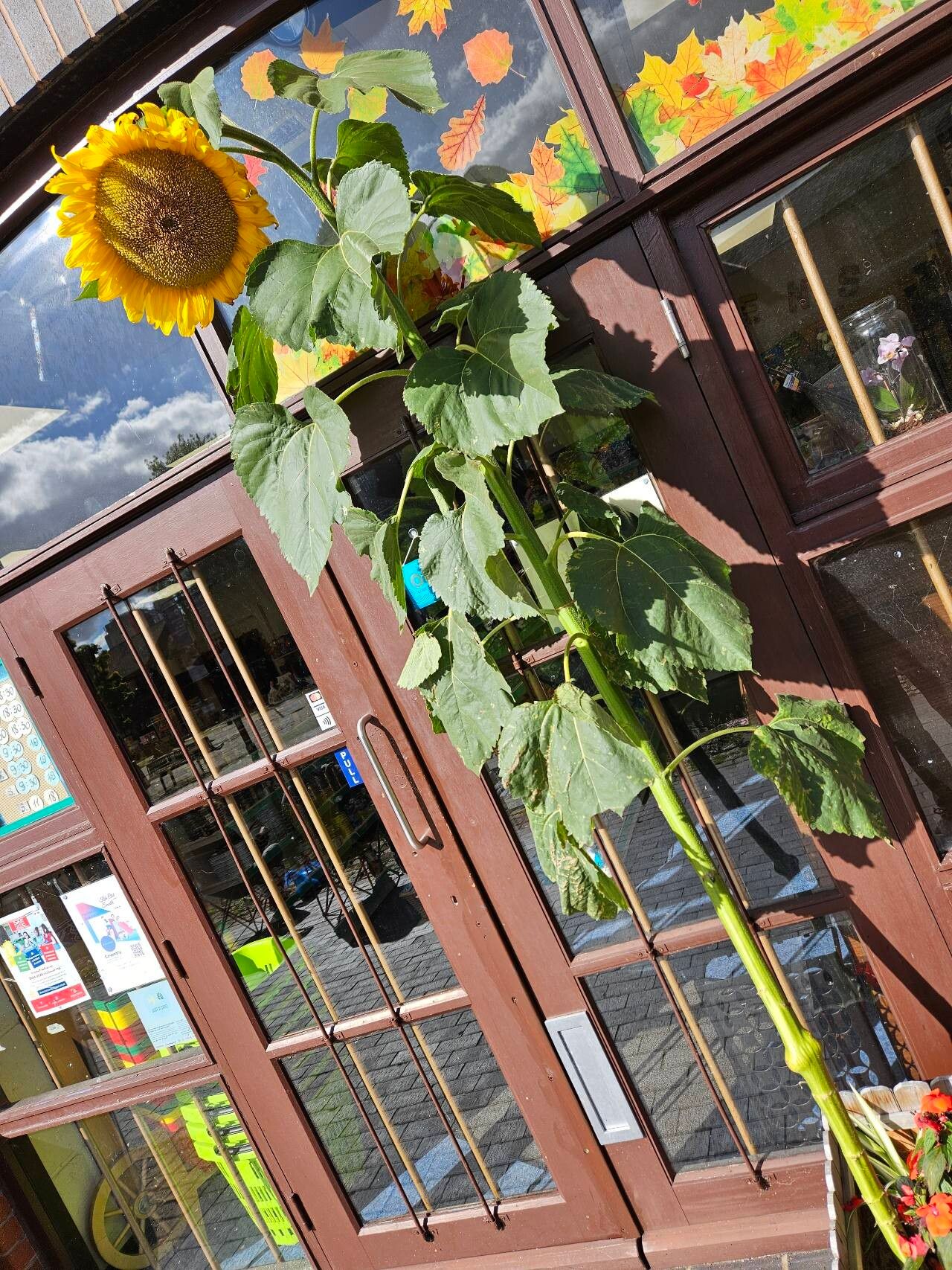
Hello there, fellow garden enthusiasts! I’m so glad you’re here. Today, we’re diving into the joyful world of propagating Helianthus annuus, more commonly known as the common sunflower. Isn’t there just something so utterly cheerful about a towering sunflower? Their sunny faces, their cheerful giants reaching for the sky – they’re pure garden joy. And the best part? Propagating them is wonderfully rewarding, and I’m here to tell you it’s absolutely achievable, even for those of you just dipping your toes into the gardening pond.
The Best Time to Start
For sunflowers, the stars really align for late spring to early summer. This is when the plant is actively growing and has plenty of vigor. You’re looking for healthy, non-flowering stems. If you harvest too early, the young stems might not have enough stored energy. Wait until the plant is well-established after the last frost, and you’ll see much better results.
Supplies You’ll Need
- Sharp Pruning Shears or a Clean Knife: For making clean cuts.
- Small Pots or a Seedling Tray: With drainage holes, of course!
- Propagating Mix: A light, well-draining soil blend. I like a mix of equal parts peat moss or coco coir and perlite or coarse sand. You can also buy a commercial seed-starting mix.
- Rooting Hormone (Optional but Recommended): This really gives your cuttings a boost. Look for one with IBA (Indole-3-butyric acid).
- Plastic Bags or a propagator lid: To create a humid environment.
- Water: For misting and initial watering.
Propagation Methods
While you can grow sunflowers from seed (and it’s lovely!), we’re focusing on vegetative propagation today, which is a fantastic way to get identical plants. The most reliable method for sunflowers is stem cuttings.
Here’s how we’ll do it:
-
Select Your Sanity: Find a healthy, vigorous sunflower plant. Look for a stem that’s not flowering yet. You’ll want to take cuttings from the top section of a side shoot or the main stem.
-
Make the Cut: Using your sharp pruning shears or knife, make a clean cut about 4-6 inches down the stem. Aim to take cuttings with at least 2-3 sets of leaves. Remove any flower buds or developing seeds immediately to direct the plant’s energy towards rooting.
-
Prepare the Cutting: Gently remove the lower leaves from the stem, leaving just the top 1-2 sets. This prevents rot when the cutting is in the soil or water.
-
Dip and Plant (or Water):
- For Soil Propagation: Lightly moisten your propagating mix. If you’re using rooting hormone, dip the cut end of the stem into the powder, tapping off any excess. Then, carefully insert the cutting about 1-1.5 inches deep into the prepared soil. Gently firm the soil around the stem.
- For Water Propagation: Place your prepared cuttings directly into a jar or glass filled with fresh, clean water. Make sure no leaves are submerged – this is crucial to prevent rot.
-
Create a Humid Haven: Cover your potted cuttings tent-like with a clear plastic bag or place the jar in a propagator with a lid. This traps moisture, which is vital for the cuttings while they develop roots. Make sure the bag doesn’t touch the leaves if possible.
The “Secret Sauce” (Pro Tips)
Now for a few little tidbits that make all the difference:
- Bottom Heat is Your Friend: If you’re serious about getting quick roots, a propagator with a built-in heating mat is a game-changer. A gentle warmth from below encourages root development far faster than ambient room temperature. You can also place your pots on top of a warm appliance (like a gently running router or modem, if it’s not too hot).
- Don’t Disturb the Peace: Once your cuttings are in their humid environment, resist the urge to poke and prod! Let them settle in. You’ll begin to see new growth or resistance when you gently tug on the stem, which are signs of rooting.
- Change the Water Regularly (if in water): If you’ve opted for water propagation, change the water every couple of days. This keeps it fresh and reduces the risk of bacterial growth, which can kill your cuttings before they even have a chance.
Aftercare & Troubleshooting
Once you see new leaf growth emerging from your cuttings, or if you feel a distinct tug when gently trying to pull the stem, roots have likely formed!
- For Soil Cuttings: Gradually acclimate them to drier air over a few days by poking a few holes in the plastic bag, then removing it for longer periods. Water them gently when the top inch of soil feels dry.
- For Water Cuttings: Once you see a good network of roots (at least an inch or two long), carefully transplant them into small pots filled with your propagating mix. Water them thoroughly.
What if things go wrong? The most common culprit is rot. If your stem cuttings turn mushy, black, or slimy, it’s usually a sign of too much moisture and not enough air circulation, or bacterial contamination (especially in water propagation). If this happens, discard the affected cuttings and check your watering and humidity levels for the remaining ones. Yellowing leaves can sometimes mean insufficient light, but don’t worry too much if they’re otherwise firm.
Happy Growing!
There you have it! Propagating sunflowers is a wonderfully accessible way to multiply your garden’s sunny disposition. Be patient with the process – nature has her own rhythm, and sometimes it takes a little time. The joy of watching those tiny beginnings grow into strong, new plants is truly something special.
So grab your shears, find a sunny spot, and get propagating! I can’t wait to hear about your successes. Happy gardening!
Resource:
https://identify.plantnet.org/k-world-flora/species/Helianthus%20annuus%20L./data