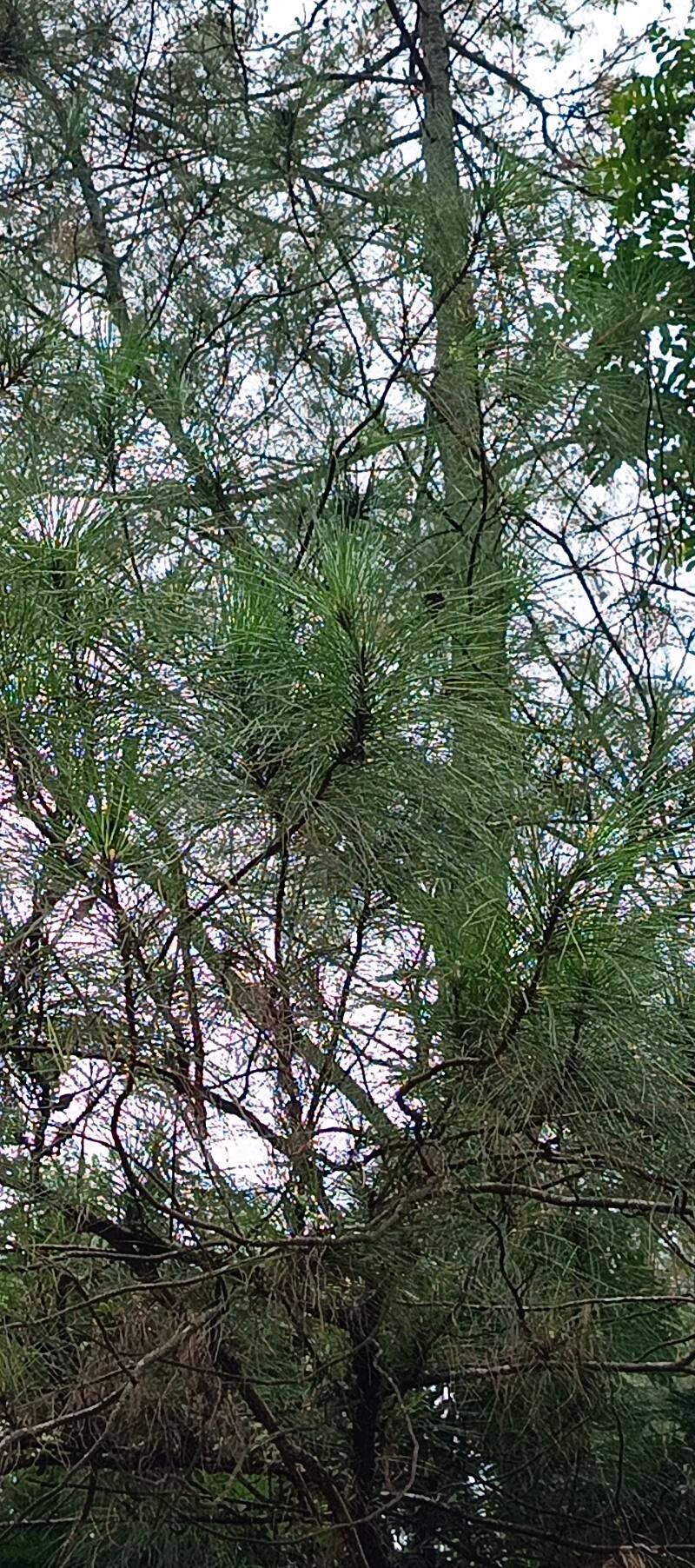
Well hello there, fellow plant enthusiast! I’m so excited to chat with you today about a truly magnificent tree: Pinus caribaea, or Caribbean Pine. If you’ve ever admired its graceful silhouette and rich, green needles, you’ve probably wondered if you could bring a little piece of that magic into your own garden. And guess what? You absolutely can!
Propagating Pinus caribaea can be a deeply rewarding journey. Watching a tiny sliver of a tree grow into something substantial is one of gardening’s greatest joys. Now, as for your beginner status, I’d say this one is a bit of a moderate challenge. It’s not impossible for a newcomer, but it definitely requires a little more attention to detail than your average houseplant cutting. Think of it as a delightful project that will teach you a lot!
The Best Time to Start
You’ll catch Pinus caribaea at its most receptive when new growth is actively happening. This usually means working with semi-hardwood cuttings during the late spring and early summer. You’re looking for stems that have started to firm up but still have some flexibility. Avoid woody, old growth or very soft, new tips.
Supplies You’ll Need
Gathering your tools beforehand makes the whole process so much smoother. Here’s what you’ll want to have on hand:
- Sharp, sterile pruning shears or a clean knife: This is crucial for making clean cuts that heal well.
- Rooting hormone powder or gel: Pines can be a bit slow to root, and this really gives them a helpful boost.
- A well-draining potting mix: A good blend is 50% perlite and 50% peat moss or coco coir. You want excellent aeration.
- Small pots or trays with drainage holes: About 4-6 inch pots are usually ideal.
- A mister or spray bottle: For keeping your cuttings hydrated.
- A clear plastic bag or propagation dome: To create a humid environment.
- Optional: Bottom heat mat: This can significantly speed up rooting.
Propagation Methods
While pines can be a bit tricky, stem cuttings are your most reliable bet for Pinus caribaea. It’s a classic for a reason!
Taking Stem Cuttings:
- Select your parent plant: Choose a healthy, vigorous Pinus caribaea.
- Make your cut: Using your sterile pruners or knife, take cuttings that are about 4-6 inches long. Look for sections with a bit of firmness, where the green needles are well-developed. Make the cut just below a node (where leaves attach to the stem).
- Prepare the cutting: Gently remove the needles from the bottom 1-2 inches of the cutting. Try not to strip them off too forcefully; a clean twist or precise cut is best.
- Apply rooting hormone: Dip the cut end into your rooting hormone, making sure the entire bottom section is covered. Tap off any excess.
- Plant your cuttings: Fill your pots with your prepared, damp potting mix. Carefully make a small hole in the center and insert the cutting, ensuring the bottom 1-2 inches are buried and the needles aren’t touching the soil surface yet. Gently firm the soil around the stem.
- Water gently: Give your cuttings a good, gentle watering to settle the soil.
The “Secret Sauce” (Pro Tips)
Here are a few little things I’ve learned over the years that can really make a difference:
- Cleanliness is King (and Queen!): I can’t stress this enough. Always sterilize your tools between each cut. Fungus is the enemy of fresh cuttings, and a dirty tool can introduce it in a heartbeat. A quick wipe with rubbing alcohol does wonders.
- Give Them a Cozy Home: Pines root best with a bit of consistent gentle warmth from below. If you have a bottom heat mat, set it on a low setting and place your pots on top. This encourages root development from the soil up, mimicking the conditions they’d find naturally. It’s a game-changer!
- Don’t Drench, Misten: After planting, I like to mist my cuttings heavily and then cover them with a clear plastic bag or dome. The goal is to keep the humidity high to prevent the foliage from drying out, but not so wet that the stems start to rot. “A light misting is better than a drowning” is my motto here!
Aftercare & Troubleshooting
Once your cuttings are planted and covered, place them in a bright, indirect light location. Avoid direct, hot sun, which can scorch the delicate cuttings.
You’ll want to check on them regularly. If you see the potting mix drying out, give it a gentle mist. If your plastic bag is fogging up excessively, briefly open it to allow for some air circulation.
Signs of success will be when you see new needle growth or feel a gentle resistance when you lightly tug on the cutting – that means roots are forming! This can take anywhere from 6 weeks to several months, so patience is key.
Troubleshoot: The most common problem is stem rot. If a cutting turns black and mushy at the base, it’s likely succumbed to rot. Sadly, you’ll need to discard it and try again, perhaps with better aeration in your soil or less watering. Yellowing leaves can also be a sign of too much water or not enough light.
A Encouraging Closing
Propagating a Pinus caribaea is a journey filled with learning and anticipation. Don’t be discouraged if your first few attempts aren’t perfect. Every gardener has their share of cuttings that don’t make it. The most important thing is to enjoy the process, observe your plants, and celebrate each little victory. Happy propagating, and may your pines thrive!
Resource:
https://identify.plantnet.org/k-world-flora/species/Pinus%20caribaea%20Morelet/data