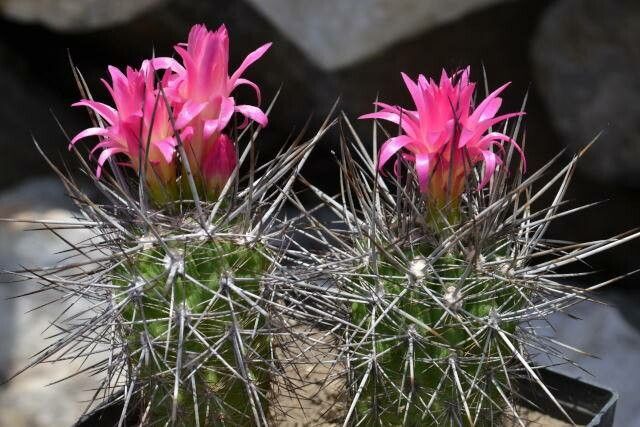
Oh hello there! I’m so glad you’re thinking about propagating Eriosyce vallenarensis. It’s such a rewarding plant, with those wonderfully textured bodies and unique spines. Seeing a little piece of your beloved cactus sprout roots and grow into a whole new plant… well, it’s pure magic, isn’t it? If you’re new to cactus propagation, Eriosyce can be a tad finicky, but with a little patience and these tips, you’ll be well on your way.
The Best Time to Start
Honestly, the warmer months are your best bet. Think of spring and summer when the plant is in its active growing phase. This is when it has the most energy to put into developing new roots. Trying to propagate when it’s dormant in cooler weather is just setting yourself up for a bit of a struggle.
Supplies You’ll Need
Here’s what I like to have on hand when I’m feeling a propagation spree:
- Sharp, clean pruning shears or a sharp knife: Essential for making clean cuts.
- Rooting hormone powder: A little boost can make a big difference.
- Well-draining potting mix: A cactus and succulent-specific blend is perfect, or you can mix your own with equal parts potting soil, perlite, and coarse sand.
- Small pots or seed trays: terracotta pots are great as they breathe.
- Gloves: For handling those spiny beauties!
- A spray bottle: For gentle watering.
- Optional: Bottom heat mat: This is a game-changer for encouraging roots.
Propagation Methods
For Eriosyce vallenarensis, we’re mostly looking at stem or offset cuttings. These cacti often produce little pups or offsets from their base, or you can carefully take sections from the main body.
Using Offsets (Pups):
- First, let’s get hands-on. Gently twist or carefully cut an offset from the mother plant. Make sure you’re using your clean pruners for this.
- Let it callus. This is crucial! Place the offset in a bright, dry spot for a few days to a week. You want the cut end to dry out and form a protective scab. This prevents rot.
- Rooting hormone. Once callused, lightly dip the cut end into rooting hormone powder, tapping off any excess.
- Plant it up. Fill a small pot with your cactus mix. Make a little well in the center with your finger or a pencil.
- Settle it in. Gently place the callused end of the offset into the well, making sure it stands upright. Don’t bury it too deep.
- Be patient with watering. Wait at least a week before watering. When you do water, do it sparingly, just enough to moisten the soil. You’re not trying to flood it; you’re just encouraging roots.
Using Stem Cuttings (if offsets aren’t available):
The process is very similar to using offsets, but you’ll need to be a bit more selective with your cut.
- Choose a healthy segment. Look for a healthy, mature stem section. Make a clean cut, ensuring it’s at least an inch or two long.
- Callus, callus, callus! This is non-negotiable. Let the cut end dry and seal over for at least a week, sometimes two, in a bright, dry location.
- Rooting hormone. Dip the callused end into rooting hormone.
- Planting. Pot it up in your well-draining mix, burying the callused end just enough to keep it stable.
- The waiting game. Again, wait a good week before its first light watering.
The “Secret Sauce” (Pro Tips)
Here are a few things I’ve learned over the years that really help:
- When using offsets, don’t be tempted to water too soon. I know it’s hard when the soil looks dry, but remember, there are no roots yet to take up water. Too much moisture can lead straight to rot. A dry spell is your friend here.
- Bottom heat is your best friend. If you can, place your pots on a gentle heat mat. This mimics the warmth of the soil in summer and really encourages roots to appear much faster. Just a gentle warmth, not hot!
- Cleanliness is next to godliness. Always use sterilized tools and pots. This might seem obvious, but a tiny bit of fungus or bacteria on your tools can sabotage your efforts before they even begin.
Aftercare & Troubleshooting
Once you see signs of roots – which might be a slight resistance when you gently tug, or best yet, new growth appearing – you can continue watering very sparingly. Gradually increase the frequency as the plant establishes itself, but always let the soil dry out between waterings.
The most common foe here is rot. If your cutting looks mushy, turns black or brown and limp, or smells foul, it’s likely rotted. Sadly, if this happens, it’s usually best to discard it and start again. Sometimes, you might see it shrivel up. This can happen if it’s just too dry, or if it hasn’t managed to develop roots. Don’t give up immediately; sometimes they surprise you!
A Little Encouragement to Wrap Up
Propagating Eriosyce vallenarensis is a journey, and like any good garden project, it requires a touch of patience. Don’t be discouraged if your first attempt doesn’t yield immediate results. Observe your plant, learn from each experience, and celebrate the small victories. The joy of watching something grow from a tiny piece is truly unparalleled. Happy propagating!
Resource: