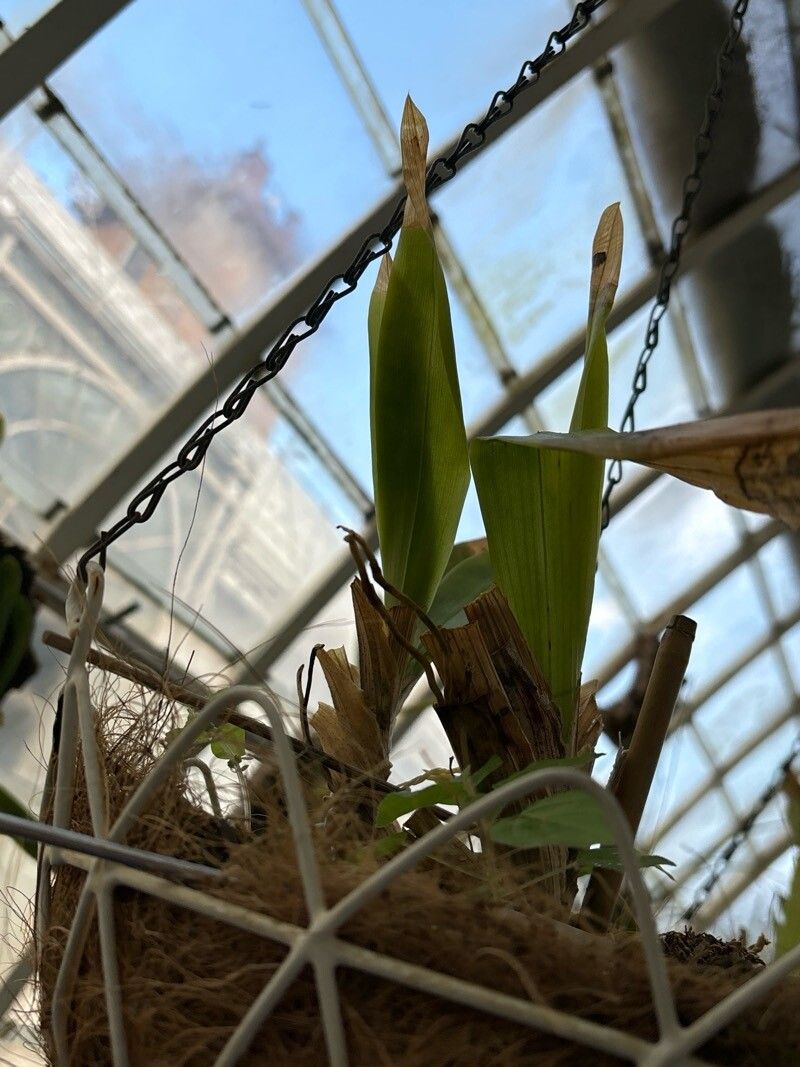
Well hello there, fellow plant lovers! If you’ve ever been captivated by the ethereal beauty of a Huntleya meleagris, you know it’s a special kind of orchid. Those nodding, intricate flowers, often adorned with stunning patterns and vibrant colors, are simply a showstopper. And the best part? You can bring that magic into your own orchid collection by propagating it!
Now, I won’t sugarcoat it – Huntleya aren’t exactly the “beginner orchid” for propagation. They can be a bit particular, shall we say. But with a little care and attention, it’s absolutely achievable, and oh-so-gratifying when you see those tiny roots start to emerge. Think of it as a rewarding challenge, a chance to deepen your understanding of these fascinating plants.
The Best Time to Start
For Huntleya meleagris, the sweet spot for propagation is just as the plant is finishing its blooming cycle and entering a period of active growth. This usually happens in late spring or early summer. You’ll see new growths starting to push forward, which is exactly what we want – energy and vigor for establishing new roots. Trying to propagate when it’s stressed from blooming or dormant is a recipe for disappointment.
Supplies You’ll Need
Before we dive in, let’s make sure you’re armed with the right tools. Here’s what I always have on hand:
- Sharp, sterile pruning shears or a razor blade: Cleanliness is absolutely key to prevent disease.
- Orchid bark mix: A good quality, well-draining mix is crucial. I often use a mix specifically for epiphytic orchids, with pieces of charcoal and perlite for aeration.
- Sphagnum moss: Some growers swear by it for retaining just enough moisture.
- Small pots or containers: Clean, appropriately sized pots for your new divisions.
- Rooting hormone (optional but recommended): A little boost can really help encourage root development.
- Misting bottle: For maintaining humidity.
- Clear plastic bags or a small propagation dome: To create a humid microclimate.
- Labeling stakes and a waterproof marker: So you don’t forget what you’ve potted!
Propagation Methods: Let’s Get Our Hands Dirty!
The most successful way to propagate Huntleya meleagris is through division. These orchids don’t typically produce keikis (baby plantlets) like some other epiphyte types, and stem cuttings are generally not a reliable method. Division is all about carefully separating a mature plant into smaller, viable sections.
Here’s how I do it:
- Gently Remove from Pot: Carefully take your Huntleya out of its current pot. You might need to gently squeeze the pot if it’s plastic, or run a thin knife around the edge if it’s ceramic.
- Clean the Roots: Gently brush away as much of the old potting medium as you can from the roots. Rinse them under lukewarm water if they are very compacted. This lets you clearly see where the healthy root system lies and where you can make a clean cut.
- Identify Divisions: Look for sections of the plant that have at least two to three healthy pseudobulbs and a good network of roots. Sometimes, you can clearly see where one growth naturally divides from another. Other times, you’ll need to use your judgment.
- Make the Cut: Using your sterile shears or razor blade, make a clean cut to separate the division. Ensure each piece has a healthy root system attached. If you’re using rooting hormone, now is the time to dip the cut surface into it.
- Potting Up: Plant each division into its own small pot with fresh, well-draining orchid bark. The pseudobulbs should be sitting just at the surface of the mix, not buried.
- Initial Watering: After potting, I like to let the cut surfaces air dry for a day or two to callus over before the first watering. When you do water, water gently, making sure the roots are moist but not waterlogged.
The “Secret Sauce” (Pro Tips)
Here are a couple of things I’ve learned over the years that can really make a difference:
- The power of humidity: Newly divided orchids are a bit vulnerable and will appreciate a super humid environment. That’s where your clear plastic bag or propagation dome comes in. Place the potted division inside, and leave it slightly open or poke a few small holes for air circulation. Keep it out of direct sun, in bright, indirect light.
- Don’t fuss too much with water initially: While they need some moisture, avoid letting the crown of the pseudobulbs sit in water. This is a surefire way to encourage rot. I usually mist the medium lightly or water from the bottom, letting the roots absorb what they need.
Aftercare & Troubleshooting
Once your new Huntleya divisions are potted, the goal is to create a consistent, humid environment. Keep them in a spot with bright, indirect light and good air movement (but avoid drafts).
Check for moisture regularly. You’ll know new roots are forming when they start to turn a healthy green and grow actively. This can take anywhere from a few weeks to a few months, so patience is key!
The most common issue you might encounter is rot. If you see mushy, brown leaf bases or pseudobulbs, it’s usually a sign of too much moisture and/or poor air circulation. Don’t be afraid to trim away any rotted parts with your sterile tool and repot in fresh, drier media. Sometimes, a division that’s already compromised when you start will just struggle – that’s part of the learning process!
A Little Patience Goes a Long Way
Taking on the propagation of a Huntleya meleagris is a wonderful way to expand your orchid family and deepen your connection with these amazing plants. Remember, it’s a journey, and not every attempt will be a roaring success. But each time you try, you learn something new. So, be gentle, be patient, and most importantly, enjoy the process of nurturing life! Happy growing!
Resource:
https://identify.plantnet.org/k-world-flora/species/Huntleya%20meleagris%20Lindl./data