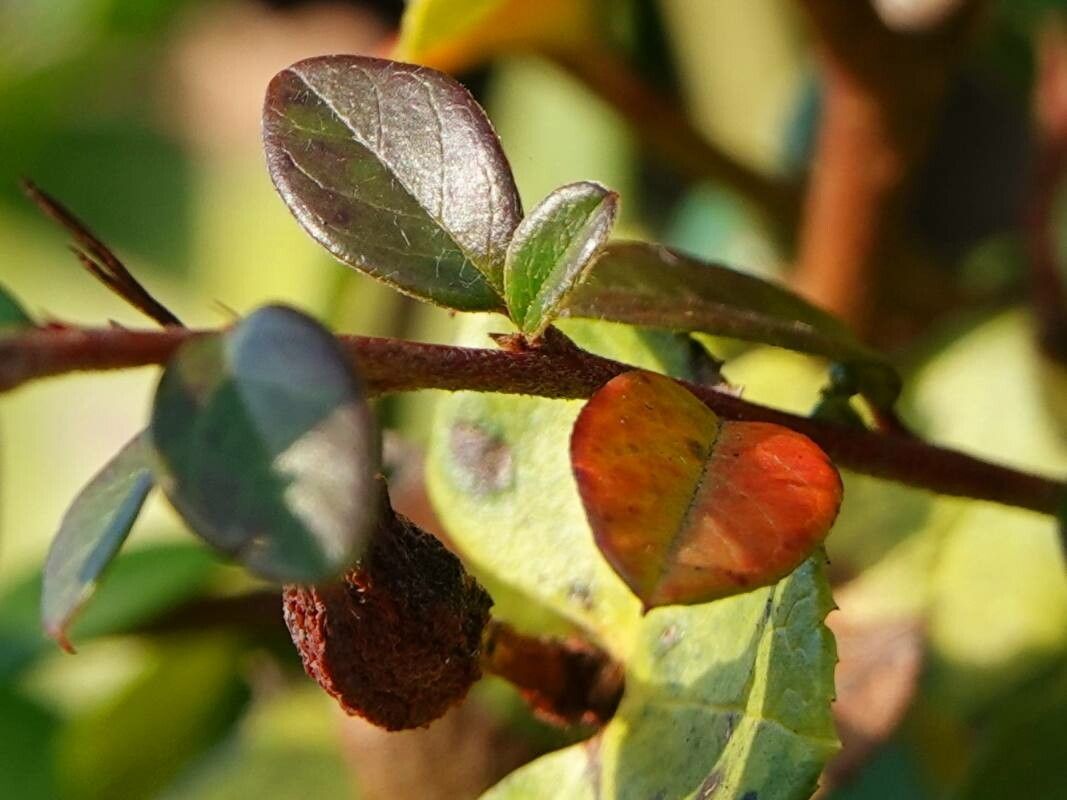
Oh, hello there! Come on in, pull up a chair. It’s lovely to see you. So, you’ve got a hankering for more of those charming Cotoneaster cochleatus shrubs? I don’t blame you one bit. Their dainty white flowers in spring, followed by those stunning, jewel-like red berries in fall, really are a treat for the eyes. Plus, attracting all sorts of cheerful little birds! Propagating them yourself is so incredibly satisfying. You get to multiply that beauty, and honestly, it’s not nearly as daunting as some might think. For beginners? I’d say it’s definitely manageable with a bit of tender loving care.
The Best Time to Start
My favorite time to get going with Cotoneaster propagation is late spring to early summer, just as the new growth has started to mature a bit. Think of it as those perfectly tender-but-not-too-soft shoots. You want growth that’s firm enough to hold its shape but hasn’t gone completely woody yet. This gives the cuttings the best chance to develop roots before the heat of summer really kicks in or the chill of autumn arrives.
Supplies You’ll Need
Before we roll up our sleeves, let’s get our tools ready. Here’s what I always have on hand:
- Sharp Pruning Shears or a Craft Knife: Clean cuts are super important!
- Rooting Hormone: A powder or gel really helps boost success. I swear by it.
- A Well-Draining Potting Mix: I like a mix of peat moss or coco coir, perlite, and a bit of coarse sand. It keeps things airy for those new roots.
- Small Pots or Seed Trays: Clean ones, of course!
- Plastic Bags or a Clear Plastic Dome: To create a humid environment.
- Watering Can with a Fine Rose: For gentle watering.
- Labels and a Marker: To keep track of what’s what.
Propagation Methods
Let’s dive into the how-to! I find stem cuttings are the most reliable way to go for Cotoneaster cochleatus.
Stem Cuttings:
- Take Your Cuttings: On a bright morning, after the dew has dried, head out to your shrub. Look for healthy, non-flowering shoots that are about 4-6 inches long. Make a clean cut just below a leaf node (where a leaf meets the stem). This is where the magic tends to happen, as there are concentrated growth hormones here.
- Prepare the Cuttings: Gently remove the lower leaves from your cuttings, leaving just a few at the top. This prevents them from rotting in the soil.
- Apply Rooting Hormone: Dip the cut end of each stem into your rooting hormone, tapping off any excess. This gives them a good head start.
- Plant Your Cuttings: Fill your small pots or trays with your prepared potting mix. Make a small hole in the center of each with a pencil or your finger. Gently insert the prepared cutting into the hole, making sure the rooting hormone is covered by soil.
- Water Gently: Water thoroughly but gently, so you don’t dislodge the cuttings.
- Create Humidity: Pop each pot into a plastic bag, tying it loosely at the top, or place a clear plastic dome over your tray. This traps moisture around the leaves and encourages them to root. Place them in a bright spot out of direct sunlight.
The “Secret Sauce” (Pro Tips)
Now, for a couple of things I’ve learned over the years that really make a difference:
- Don’t Let Those Leaves Touch Water: When you’re watering, especially if you’re using a tray system, ensure the leaves of your cuttings aren’t sitting in puddles. This is a surefire way to encourage rot. A good watering from the bottom of the tray can sometimes be beneficial, as long as the soil surface doesn’t stay waterlogged.
- Bottom Heat is Your Friend: If you can, placing your pots on a gentle heating mat can significantly speed up root development. It mimics the warmth of spring and gives those little root cells a real boost. Just a low, consistent warmth is perfect – you don’t want to cook them!
- Patience is a Virtue (and Necessary!): Some plants root faster than others. Don’t get discouraged if you don’t see progress immediately. I often give cuttings a gentle tug after a few weeks to see if there’s any resistance. Resistance means roots!
Aftercare & Troubleshooting
Once your cuttings have developed a good root system, you’ll notice new growth appearing at the top. That’s your sign!
- Acclimatize Them: Gradually remove the plastic bags or dome over a week or so. This helps them adjust to normal humidity levels.
- Potting Up: Once they’re a bit stronger, you can transplant them into individual, slightly larger pots with your regular potting mix.
- Watch for Rot: The biggest enemy of cuttings is usually rot. If a cutting turns black and mushy, it’s unfortunately a goner. Make sure your soil is well-draining and you’re not overwatering. If the leaves start to yellow and look limp, it could be a sign of too much water or not enough light. Too dry, and they’ll simply wilt and shrivel.
So there you have it! Watching those tiny cuttings transform into little plants is such a joy. It takes a little time, a little patience, and a lot of love, but the reward is absolutely worth it. Go on, give it a go! Happy gardening.
Resource: