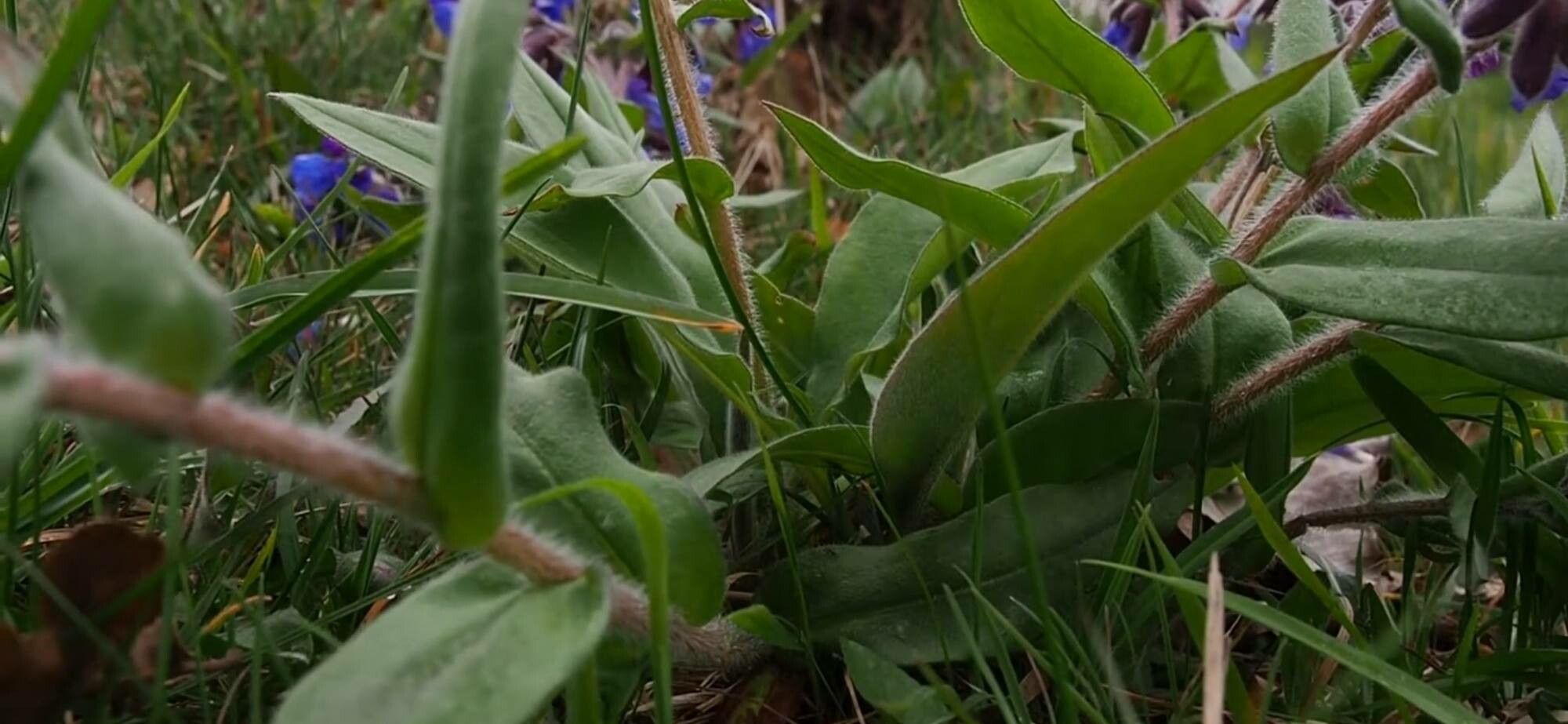
Hello there, fellow plant lovers! Today, I want to talk about a woodland gem that’s captured my heart for years: Pulmonaria australis, or the Balkan pulmonaria. You know, the one with those beautifully spotted leaves that pop up so early in the spring, bringing a touch of life to even the dreariest garden corners. Its delicate, bell-shaped flowers, often in shades of pink and blue, are a welcome sight for pollinators and for us humans alike.
If you’re looking for a rewarding project that doesn’t involve a steep learning curve, propagating pulmonaria is a wonderful choice! I’ve found it to be quite forgiving, making it a fantastic plant for beginners looking to expand their collection without breaking the bank. It’s truly a joy to watch these new plants take hold, knowing you helped them start their journey.
The Best Time to Start
When it comes to getting the most bang for your propagation buck, late spring or early summer is your sweet spot. This is when the plant is actively growing after flowering and before the real heat of summer sets in. Softwood cuttings taken at this time have a great vigor and are more likely to root successfully. You can also propagate by division, and the best time for that is generally in the fall, after the leaves have started to die back but before the ground freezes. This gives the divisions time to establish before winter dormancy.
Supplies You’ll Need
Gathering your tools before you begin makes the whole process so much smoother. Here’s what I usually have on hand:
- Sharp pruning shears or a clean knife: For taking clean cuts.
- Seedling pots or small containers: With drainage holes, of course!
- A good quality potting mix: I like a blend that’s light and airy. A mix of peat moss (or coir), perlite, and a bit of compost usually does the trick.
- Rooting hormone (optional but recommended): This helps encourage faster and stronger root development.
- A watering can with a fine rose: For gentle watering.
- Labels and a pen: To keep track of what you’ve propagated and when!
Propagation Methods
There are a couple of ways I like to get more pulmonaria plants, and each has its charm.
1. Stem Cuttings (The Most Common Approach)
This is my go-to method for increasing my pulmonaria stock.
- Select your stems: Look for healthy, non-flowering shoots that are about 4-6 inches long. You want stems that are still a bit flexible, not woody.
- Make the cut: Using your clean shears, cut the stem just below a leaf node (the point where a leaf attaches to the stem).
- Prepare the cutting: Gently remove the lower leaves, leaving just a couple of leaves at the top. If the leaves are very large, you can cut them in half horizontally to reduce water loss.
- Dip in rooting hormone: Lightly dip the cut end of the stem into your rooting hormone. Tap off any excess.
- Plant your cuttings: Make a hole in your potting mix with a pencil or your finger and insert the cutting, ensuring the lower leaf nodes are beneath the surface. Gently firm the soil around the stem.
- Water gently: Water thoroughly but gently, so you don’t dislodge the cuttings.
- Provide ideal conditions: Place the pots in a bright spot out of direct sunlight. Keeping the potting mix consistently moist (but not waterlogged) is crucial. You can cover the pots with a plastic bag or place them in a propagator to create a humid environment – this really helps!
2. Division (For Established Plants)
If your pulmonaria has grown into a nice clump, dividing it is a simple way to get new plants and rejuvenate the parent.
- Dig it up: In the fall, carefully dig up the entire plant with a spade or garden fork.
- Gently tease apart: Gently break or use your knife to divide the root ball into smaller sections. Aim for pieces that have at least a few healthy shoots and some roots attached.
- Replant immediately: Plant the divisions directly into their new homes in the garden or in pots with fresh potting mix.
- Water well: Water them in thoroughly to help settle the soil around the roots.
The “Secret Sauce” (Pro Tips)
After many years of tinkering, I’ve picked up a few tricks that seem to make a real difference.
- The “Air Gap” Trick: When propagating by cuttings, especially if you’re using a propagator or covering with a bag, I always make sure the leaves are not touching the sides of the plastic. Any leaf resting on damp plastic can quickly succumb to rot. You can use a small stake to prop up the leaves if needed.
- Bottom Heat is Your Friend: While pulmonaria can root without it, placing your pots on a warm propagation mat can significantly speed up the process, especially if your ambient temperature is a bit cooler. It encourages those roots to get going from the get-go.
- Don’t Be Afraid to Prune: If a cutting or division looks a bit leggy or weak, a light trim can encourage bushier growth and redirect energy into root development.
Aftercare & Troubleshooting
Once you see new growth emerging from your cuttings, that’s usually a good sign that roots have formed!
- Gradual Acclimation: If you’ve used a plastic bag or propagator, slowly start to introduce your new plants to drier air by gradually opening the covering over a few days.
- Light Watering: Continue to keep the soil consistently moist but avoid soggy conditions. Overwatering is the quickest way to invite fungal issues.
- Patience is Key: It can take several weeks, sometimes even a couple of months, for cuttings to develop a robust root system. Don’t get discouraged if you don’t see immediate results.
The most common problem you might encounter is rot. This usually happens when the cuttings are kept too wet or have poor air circulation. If you notice a cutting turning mushy and black, it’s best to remove it to prevent it from spreading to other cuttings. Make sure your soil drains well!
A Little Garden Hug
Propagating pulmonaria is such a satisfying way to connect with your garden and share its beauty. Be patient with your new green babies, give them a little TLC, and before you know it, you’ll have a wonderful collection to enjoy! Happy propagating!
Resource:
https://identify.plantnet.org/k-world-flora/species/Pulmonaria%20australis%20(Murr)%20W.Sauer/data