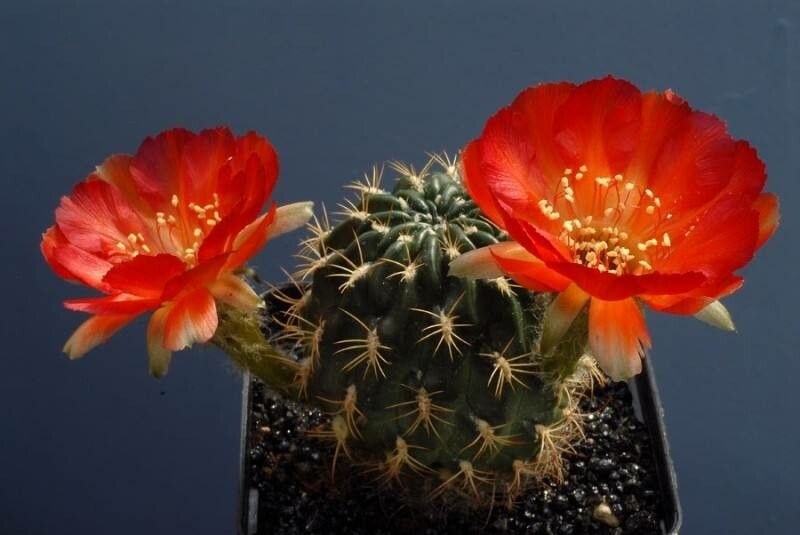
Oh, Chamaecereus saltensis! If you’ve ever encountered this charming little cactus, you know exactly why I’m so excited to talk about it today. It’s got these delightful, often bright orange or pinkish flowers that really brighten up any sunny spot. And honestly, there’s something incredibly satisfying about taking a small piece of a plant you love and helping it grow into its own. It’s a wonderful way to expand your collection without spending a fortune, and frankly, it just feels good to nurture new life. For beginners, I’d say Chamaecereus saltensis is a fairly forgiving plant to propagate, which is always a bonus when you’re just starting out.
The Best Time to Start
When it comes to Chamaecereus saltensis, spring and early summer are your golden ticket. This is when the plant is at its most vigorous, sending out new growth and truly hitting its stride. Propagating during this active growing period means your cuttings or divisions will have the best chance to establish quickly and happily. Trying to do it too late in the fall or during the plant’s dormancy in winter is just setting yourself up for disappointment.
Supplies You’ll Need
You don’t need a whole laboratory for this, just a few helpful bits and bobs.
- Sharp pruning shears or a clean, sharp knife: Essential for making clean cuts that heal well.
- Well-draining cactus or succulent mix: I often mix my own with about equal parts potting soil, perlite, and coarse sand.
- Small pots or trays: Terracotta pots are my favorites because they breathe.
- Rooting hormone (optional but recommended): A little dip for the cut end can speed things up.
- Spray bottle with water: For gentle misting.
- Gloves: Cacti can be pokey!
Propagation Methods
Chamaecereus saltensis is a trooper, and it’s quite amenable to a few different methods. The most straightforward are usually taking offsets or stem cuttings.
1. Taking Offsets (Pups):
This is probably the easiest way for this particular cactus. You’ll often see little baby plants, or “pups,” growing from the base of the main plant.
- Gently examine the base of your Chamaecereus saltensis. Look for a pup that has started to develop its own little root system.
- Using your sharp knife or pruners, carefully cut the offset away from the mother plant, making sure to get as much of its base as possible. Try to get any emerging roots as well.
- Let the cut end callus over for a few days to a week. This is crucial! You want that cut surface to dry out and form a protective scab. Place it in a bright spot, but out of direct sunlight.
- Once calloused, plant the offset in a small pot filled with your well-draining cactus mix. Don’t water it immediately. Wait about a week before giving it its first light watering.
2. Stem Cuttings:
If your plant is looking a bit leggy or you want to try a different approach, stem cuttings are a great option.
- Select a healthy, mature stem segment. It should be at least a couple of inches long.
- Using your clean, sharp shears or knife, make a clean cut.
- Just like with offsets, you must allow the cutting to callus over. This can take anywhere from a few days to a week or even longer, depending on humidity. You’ll know it’s ready when the cut end feels dry and leathery.
- Dip the calloused end into rooting hormone, if you’re using it.
- Plant the cutting directly into dry cactus mix. Again, no watering just yet. Let it sit in a bright spot for about a week before its first gentle watering.
The “Secret Sauce” (Pro Tips)
Now, here are a couple of little things I’ve learned over the years that really make a difference.
- Don’t be afraid of dry soil, especially at first. Cacti are desert dwellers; they hate soggy feet! For the initial week or two after planting, err on the side of caution. A very light misting is often all they need initially, allowing the roots to actively seek out moisture.
- Bottom heat can be a game-changer. If you’re propagating in a cooler environment, placing your pots on a heat mat set to a low temperature (around 70-75°F or 21-24°C) can significantly speed up root development. It mimics that lovely warmth they’d get from the soil in their natural habitat.
Aftercare & Troubleshooting
Once you see signs of new growth, you know you’re on the right track! That’s usually your cue that roots are forming.
- Gradually increase watering. As the plant establishes, you can start watering a bit more thoroughly, but always let the soil dry out completely between waterings.
- Provide bright, indirect light. Avoid scorching direct sun for brand new cuttings. Once they’re a bit bigger, they’ll love a sunny windowsill.
- Watch out for rot. This is the most common culprit of failure. If a cutting becomes mushy or black at the base, it’s likely rot. Unfortunately, there’s not much you can do once that sets in. Ensure your soil is well-draining and avoid overwatering. A healthy callus is your best defense against rot.
A Little Encouragement
Propagating plants is a journey, and sometimes a little experiment doesn’t quite work out. Don’t let that discourage you! Be patient, enjoy the process of watching your new Chamaecereus saltensis pups emerge, and celebrate every little success. Happy gardening!
Resource: