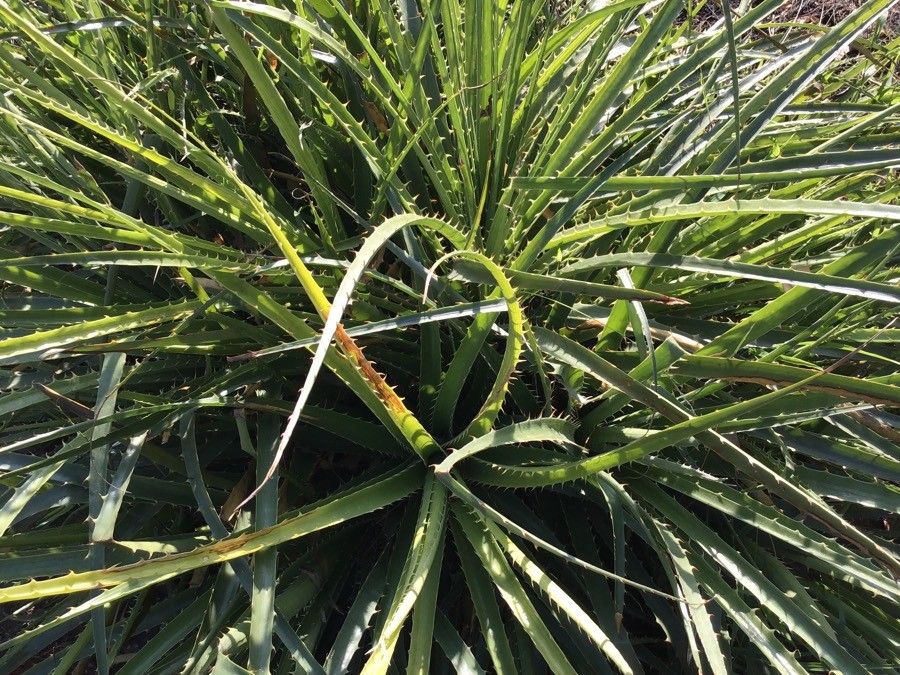
Hello fellow plant enthusiasts! If you’ve ever marveled at the striking, spiky beauty of Puya boliviensis, you’re not alone. These spectacular bromeliads, native to the Andean highlands, boast architectural rosettes of silvery-blue leaves and, when in bloom, a towering, fiery red inflorescence that truly stops you in your tracks. Propagating them feels a bit like unlocking a special gardening secret, and the reward of seeing a new little offset flourish is just wonderful. Now, I won’t lie and say Puya boliviensis is the easiest plant to propagate for a complete beginner, but with a little patience and the right approach, it’s absolutely achievable and incredibly satisfying.
The Best Time to Start
For Puya boliviensis, the sweet spot for propagation is generally during its active growing season. This typically falls in the late spring through summer months when the plant is energized and healthy. You’ll have the best luck when you can spot offsets (pups) that have reached a decent size, meaning they have their own set of developing roots. Trying to take them when they’re too small can be a bit like trying to race a toddler – they just haven’t had enough time to develop their own strength.
Supplies You’ll Need
To get started on your Puya propagation journey, here’s what I recommend keeping handy:
- Sharp, sterile pruning shears or a clean, sharp knife: Essential for making clean cuts and minimizing disease risk.
- Seedling or cactus/succulent potting mix: A well-draining mix is crucial to prevent rot. I like using a blend that includes perlite or pumice for excellent aeration.
- Rooting hormone (optional but recommended): This can give your cuttings a helpful boost in developing roots. Look for one specifically for softwood or semi-hardwood cuttings.
- Small pots or trays: Choose pots with drainage holes, of course!
- Gravel or small stones: For creating a bit of a buffer at the bottom of pots if you’re worried about soil washing out.
- Watering can or spray bottle: For gentle watering.
- Gloves: Those prickles can be surprisingly pokey!
Propagation Methods
Puya boliviensis is most commonly propagated through offsets, which are new baby plants that grow from the base of the parent plant. This is by far the most successful method for home gardeners.
Method: Division of Offsets
- Identify your offsets: Look for smaller rosettes emerging from the base of your mature Puya. Ideally, they should be at least a third the size of the parent plant and show signs of their own root system.
- Gently loosen the soil: Carefully dig around the base of the offset with your hands or a small trowel. You want to expose the area where the offset is attached to the mother plant.
- Make the cut: Using your sharp, sterile pruning shears or knife, carefully sever the offset from the parent plant. Try to get as much of the offset’s base, including any visible roots, as possible. Don’t be afraid to get in there; a clean cut is better than tearing.
- Allow to callus: This is a crucial step for Puyas to prevent rot. Place the detached offset in a dry, well-ventilated spot away from direct sun for 2-3 days. You’ll notice the cut end begins to dry and form a protective scab, or callus.
- Plant the offset: Once callused, gently pot the offset into your well-draining potting mix. You can use a little rooting hormone at this stage if you wish, dipping the callused end into it before planting. Plant it just deep enough so it stands upright.
- Water sparingly: Water very lightly initially, just enough to settle the soil around the roots. Avoid overwatering, as this can lead to rot.
The “Secret Sauce” (Pro Tips)
Here are a couple of things I’ve learned over the years that really make a difference with Puyas:
- Embrace the dry spell: Don’t rush to water after planting. Let that callus truly do its job. I often wait until I see the first hint of new growth before giving it a more thorough (but still not excessive) watering. This patience is key!
- Think warmth, not wetness: While you don’t want the soil to remain bone dry indefinitely, consistent warmth is more beneficial than constant moisture for root development. If you have a heat mat for seedlings, placing your potted offsets on it can speed things up considerably during cooler periods.
Aftercare & Troubleshooting
Once your offset is planted and has had its initial light watering, keep it in a bright spot with indirect light. As it starts to establish, you can gradually introduce it to more direct sunlight, mimicking its natural habitat. Water only when the top inch or two of the soil feels dry.
The most common issue you’ll encounter is rot. If you notice the base of your Puya offset turning mushy, brown, or black, it’s likely due to too much moisture. If this happens, try to gently unpot it, trim away any rotted sections with your sterile knife, and let it callus again for an extended period (perhaps even a week) before repotting into fresh, dry soil. Sometimes, a bit of a rot setback can still be overcome with careful attention. You might also see wilting or shriveling; this usually means the plant is struggling to root and is drawing moisture from its existing leaves. Keep the light bright but avoid excessive watering until you see signs of new growth.
A Little Encouragement
Propagating Puya boliviensis is a journey. There might be times when you feel a bit uncertain, but trust your instincts and observe your plant. Each offset you nurture is a testament to your gardening skills and a beautiful addition to your collection. Be patient, celebrate the small victories, and enjoy the process of bringing more of these magnificent plants into your world! Happy gardening!
Resource:
https://identify.plantnet.org/k-world-flora/species/Puya%20boliviensis%20Baker/data