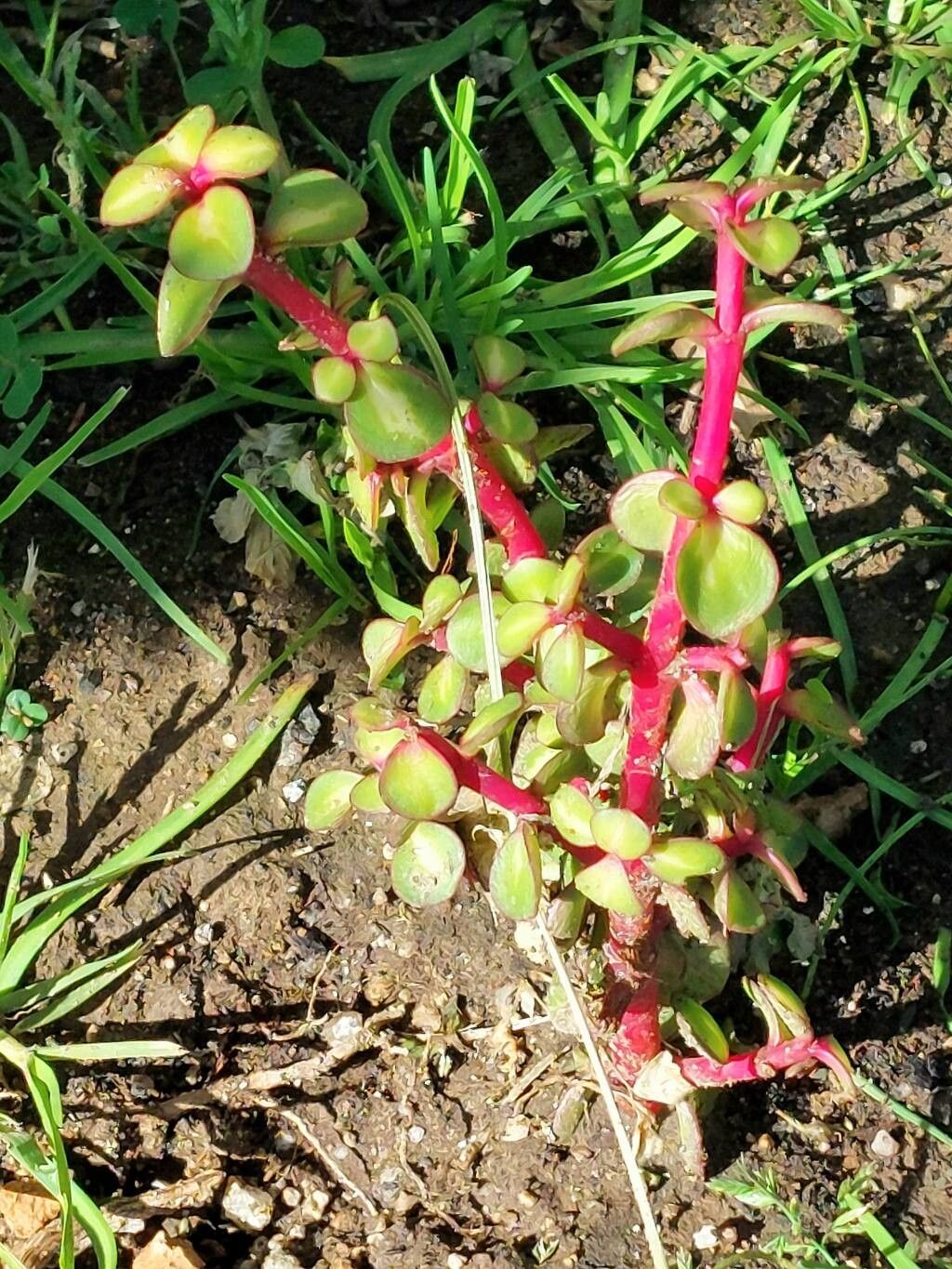
Hello there, fellow plant enthusiasts! I’m so excited to chat with you today about a plant that’s truly stolen my heart over the years: Portulacaria afra, often called Elephant Bush or Dwarf Jade. If you love plants that are a little bit whimsical, incredibly forgiving, and just plain cheerful, you’re going to adore this one. And the best part? It’s ridiculously easy to propagate. Seriously, if you’re just dipping your toes into the gardening world, this is a fantastic place to start. You’ll get a thrill from creating new life from just a little bit of what you already have.
The Best Time to Start
When it comes to Portulacaria afra, spring is your golden ticket to success. As the days get longer and warmer, the plant is actively growing, which means cuttings will have the best energy reserves to develop roots. Aim for late spring or early summer. You can also have success in early fall, as long as you give your cuttings enough time to establish before the cooler weather truly sets in.
Supplies You’ll Need
To get your propagation party started, gather these few essentials:
- Sharp Pruning Shears or a Clean Knife: For making clean cuts.
- A Well-Draining Potting Mix: I like a cactus/succulent blend, or I mix my own with equal parts potting soil, perlite, and coarse sand.
- Small Pots or Trays: Whatever you have on hand will do, as long as they have drainage holes.
- Rooting Hormone (Optional but Recommended): A little dab can really speed things up. You can find this at most garden centers.
- A Spray Bottle: For gentle misting.
- A Sunny Spot: Bright, indirect light is ideal.
Propagation Methods
Portulacaria afra is most commonly propagated from stem cuttings. It’s so simple, it almost feels like cheating!
Stem Cuttings:
- Select a healthy branch from your mature Portulacaria afra. Look for stems that are relatively firm, not too woody, and have plenty of leaves.
- Make a clean cut about 3-6 inches long. I usually cut just below a leaf node, where the stem is a bit thicker.
- Remove the lower leaves from the cutting. This is important because buried leaves will rot. Leave at least one or two leaf nodes bare.
- (Optional) Dip the cut end in rooting hormone. Tap off any excess.
- Let the cuttings callous over. This is a crucial step! Place the cuttings in a dry, airy spot for 2-3 days. You’ll see a dry scab form over the cut end which helps prevent rot.
- Pot up your cuttings. Fill your small pots with your well-draining soil mix. Make a small hole with your finger or a pencil, and insert the calloused end of the cutting. Gently firm the soil around it.
- Water sparingly. Give the soil a light watering, just enough to moisten it. You don’t want them sitting in soggy soil at this stage.
- Place in bright, indirect light. Avoid direct sun, which can scorch the delicate cuttings.
You can also try Water Propagation for a fun visual!
- Follow steps 1-3 above.
- Place the cuttings in a jar or glass of water. Make sure no leaves are submerged.
- Change the water every few days to keep it fresh.
- Once you see tiny white roots emerging (this can take a few weeks), carefully transfer them to your well-draining potting mix as described in step 6 above.
The “Secret Sauce” (Pro Tips)
Here are a few little tricks that have served me well over the years:
- Don’t Overwater: This is the biggest mistake beginners make. Succulents and their relatives hate wet feet. Water only when the soil is dry to the touch and even then, be gentle. A light misting is often enough initially.
- Give Them a Little Warmth: Portulacaria afra loves a bit of warmth to encourage root growth. If your house is on the cooler side, placing your potted cuttings on a heat mat (often used for seed starting) can make a big difference.
- Be Patient with the Callous: Seriously, don’t skip the callousing step. It’s the plant’s way of protecting itself from disease and rot. It might feel like an extra step, but it drastically improves your success rate.
Aftercare & Troubleshooting
Once you see new growth appearing, that’s usually a good sign that roots have formed! Gently tug on a cutting; if there’s resistance, you’re golden.
- Gradual Acclimation: Slowly introduce your new plants to more direct sunlight as they get established.
- Watering: Once rooted, you can start watering a little more thoroughly, but always let the soil dry out between waterings.
- Signs of Trouble: The most common issue is rot, which will manifest as mushy, dark stems or leaves. This is almost always due to overwatering or insufficient drainage. If you spot rot, you might be able to save a healthy section by taking a new cutting and starting over. Mushy leaves that aren’t dark or slimy might just indicate the plant is thirsty.
A Little Patience Goes a Long Way
And there you have it! Propagating Portulacaria afra is incredibly rewarding, and with these simple steps, you’re well on your way to a jungle of your own. Remember, gardening is a journey, and every plant is a lesson. Be patient with yourself and your new green babies, and enjoy watching them grow. Happy propagating!
Resource:
https://identify.plantnet.org/k-world-flora/species/Portulacaria%20afra%20Jacq./data