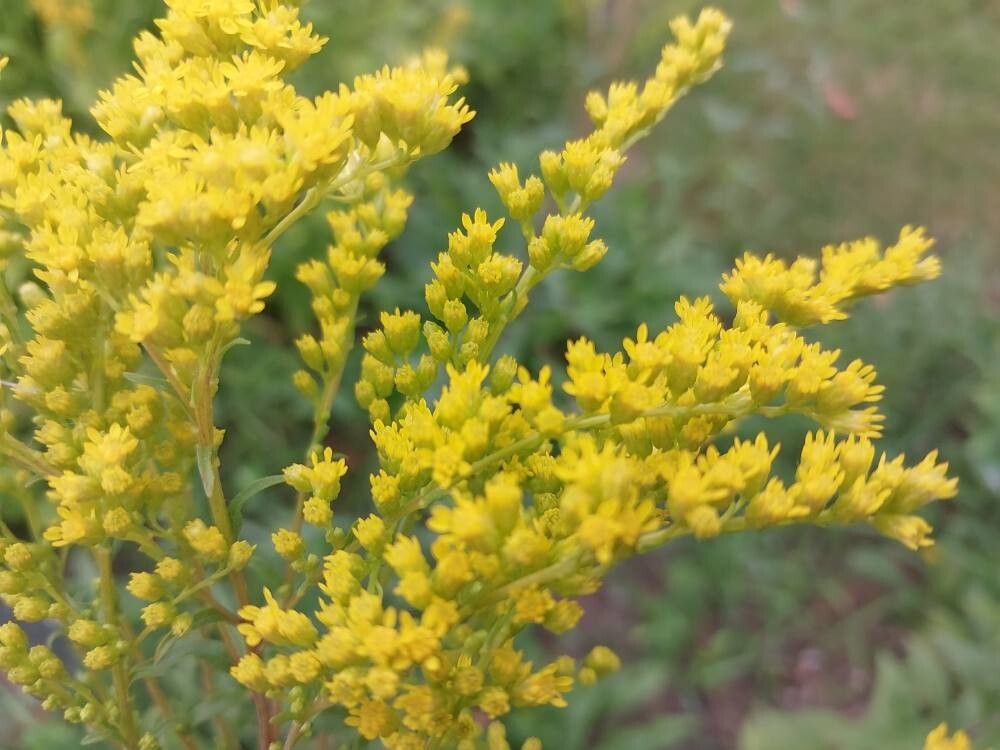
Hello there, fellow plant enthusiasts! It’s so lovely to have you join me today. If you’re anything like me, the sight of a prairie landscape bursting with late-season color captures your heart. And right at the forefront of that cheerful display is Solidago rigida, or Rough-leaved Goldenrod. Those bright, sunny yellow blooms, a beacon in autumn, are simply irresistible.
Now, if you’re wondering about tackling propagation yourself, I have good news for you. Solidago rigida is a wonderfully rewarding plant to work with, and for beginners? It’s quite forgiving! You’ll find yourself with an abundance of these cheerful beauties in no time.
The Best Time to Start
For the highest success rates with Solidago rigida, I’ve found spring is your golden ticket. As soon as the soil has warmed up a bit, and you see the new shoots emerging from the ground is the perfect moment. This gives the divisions or cuttings ample time to establish themselves before the summer heat or the chill of fall.
Supplies You’ll Need
Gathering your supplies beforehand makes the whole process so much smoother. Here’s what I always have on hand:
- Sharp pruning shears or a clean knife: For making clean cuts.
- Rooting hormone (optional but helpful): Especially for stem cuttings.
- Well-draining potting mix: A good blend of compost and perlite is ideal.
- Small pots or seed trays: With drainage holes, of course!
- Watering can or spray bottle: For gentle watering.
- Labels: To keep track of what you’ve propagated.
- A sunny spot: For your new plant babies.
Propagation Methods
Let’s get our hands dirty! There are a couple of fantastic ways to multiply your Solidago rigida.
The easiest and most successful method for Solidago rigida is division. This is best done in early spring.
- Dig around the plant: Gently dig up the entire plant clump using a spade.
- Gently separate the roots: You can often pull the root ball apart with your hands. If it’s a bit stubborn, use your knife or spade to divide the clump into smaller sections. Make sure each section has some healthy roots and at least a few shoots.
- Replant immediately: Get those divisions into their new homes as soon as possible. Water them well.
While division is king, stem cuttings can also work, though division is more reliable for this particular plant.
- Take cuttings in late spring or early summer: Look for healthy, non-flowering stems. Cut stems about 4-6 inches long, just below a leaf node (where a leaf grows from the stem).
- Remove lower leaves: Strip off the leaves from the bottom half of the cutting.
- Dip in rooting hormone (optional): If using, dip the cut end into rooting hormone.
- Plant in your potting mix: Insert the cuttings into pots filled with your well-draining mix.
- Keep moist and humid: Water gently and consider placing a plastic bag over the pot to create a mini-greenhouse effect.
The “Secret Sauce” (Pro Tips)
Now, for those little nuggets of wisdom that make all the difference.
- My absolute favorite tip for divisions is to wait until you see new growth. Trying to divide a dormant plant can be tricky. When you see those fresh green shoots, it means the plant is actively growing and ready to be split.
- When planting stem cuttings, don’t let the leaves touch the soil. This is a surefire way to invite rot. Make sure any remaining leaves are held up above the soil line.
- For stem cuttings that are being a bit slow to root, a little bottom heat can jumpstart things. Placing your pots on a heat mat designed for seedlings can encourage faster root development.
Aftercare & Troubleshooting
Once your divisions are replanted or your cuttings have hopefully started sending out roots (you can gently tug a cutting—if there’s resistance, roots are forming!), it’s time for gentle care.
Keep the new plants consistently moist but not waterlogged. They’re establishing their root systems, so they’ll need regular sips. Once they look robust and have clearly taken off, you can gradually treat them like your established Solidago rigida.
The most common culprit for failure with any propagation is rot. You’ll see wilting that doesn’t improve with watering, a slimy or mushy base on cuttings, or a general sickly appearance. This usually points to too much moisture or poor drainage. If you see this, don’t despair! It’s a learning experience. Try again with a slightly drier mix and ensure good airflow.
A Encouraging Closing
And there you have it! Propagating Solidago rigida is a deeply satisfying way to fill your garden with that glorious sunshine. Be patient with yourself and the plants. Nature has its own timing, and watching new life emerge from your efforts is a reward in itself. Happy gardening!
Resource:
https://identify.plantnet.org/k-world-flora/species/Solidago%20rigida%20L./data