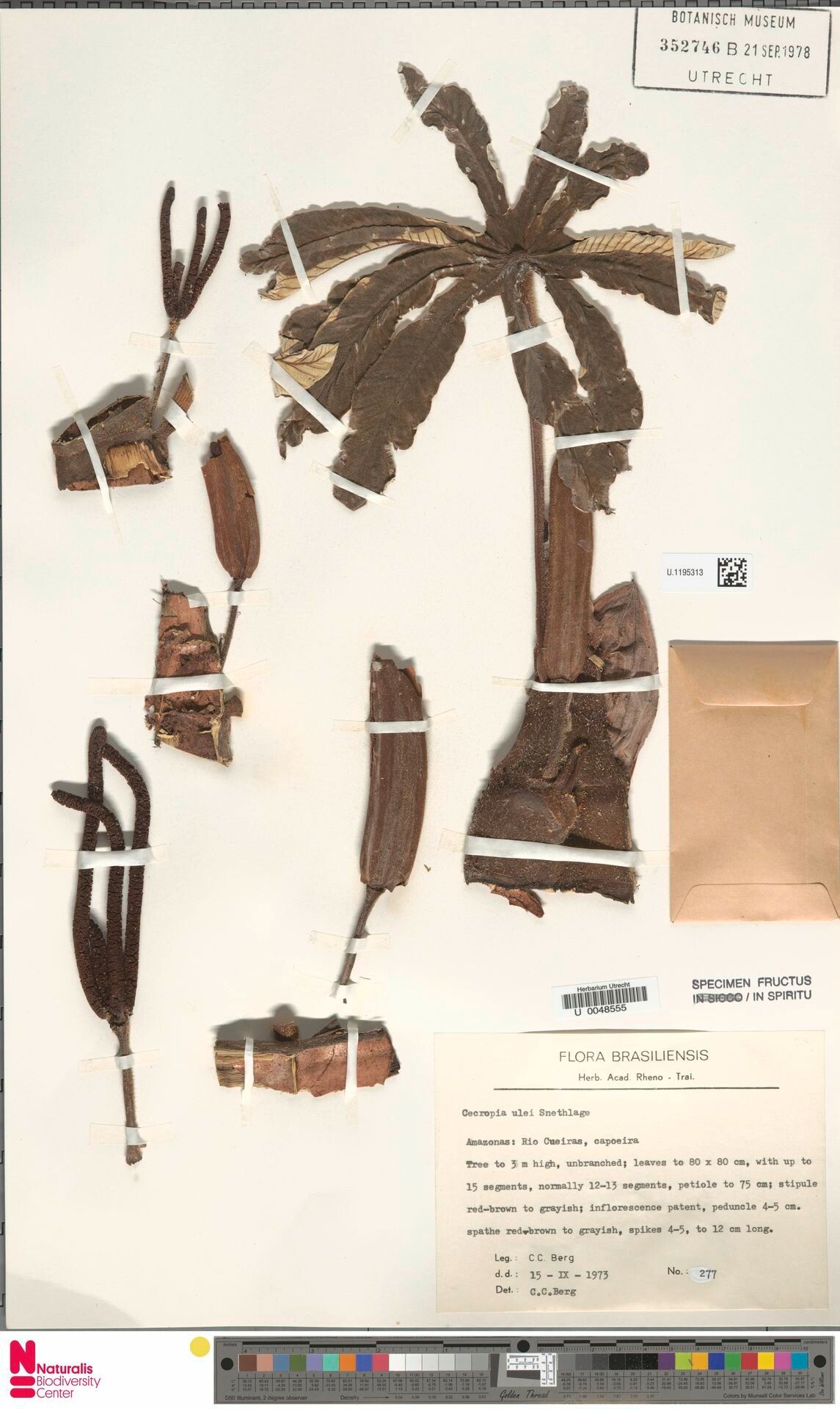
Oh, hello there! I’m so glad you’re curious about propagating the Cecropia. It’s a truly magnificent tree, isn’t it? That classic umbrella shape and those gorgeous, often silvery undersides of the leaves… it just screams tropical paradise. And the best part? Creating more of these beauties from your existing plants is surprisingly rewarding.
Now, I won’t lie to you straight out of the gate. Cecropia propagation isn’t quite as fuss-free as, say, rooting a spider plant. It can be a little bit of a challenge for absolute beginners, but with a good understanding of what they need, even you can achieve success. Think of it as a delightful learning curve, a chance to really connect with your plants.
The Best Time to Start
When it comes to Cecropia, timing is everything. I find the late spring or early summer to be your golden window. This is when the plant is actively growing and has plenty of energy to dedicate to rooting. You also want to work with healthy, actively growing stems, not those that are old, woody, or stressed. Look for new growth that’s firm but not yet hardened off.
Supplies You’ll Need
Here’s what I like to have on hand when I’m ready to get my hands dirty:
- Sharp Pruning Shears or a Knife: Clean cuts are crucial for preventing disease.
- Rooting Hormone: While not strictly essential for all Cecropia, a good quality rooting hormone powder or gel can significantly boost your success rate. I prefer powders for ease of use.
- Well-Draining Potting Mix: A mix of peat moss, perlite, and a little bit of coarse sand is ideal. You want something that won’t sit waterlogged.
- Small Pots or Propagation Trays: Clean containers are a must.
- Clear Plastic Bag or Dome: This helps create a humid environment.
- Watering Can or Spray Bottle: For gentle watering.
- Labeled Stakes or Markers: To keep track of your cuttings.
- Optional: Rooting Medium: Some folks swear by a perlite or vermiculite-only mix for very good aeration.
Propagation Methods
The most reliable way to propagate Cecropia is through stem cuttings. It’s straightforward, and with a little patience, you’ll see those roots form.
- Select Your Cuttings: Look for a healthy, upright stem. You want cuttings that are about 6-8 inches long and have at least two or three leaf nodes. A node is where a leaf attaches to the stem.
- Make the Cut: Using your sharp, sterilized pruning shears, make a clean cut just below a leaf node. It’s important to cut right under where the leaf was attached, as this is where the magic of rooting happens.
- Prepare the Cutting: Gently remove the lower leaves from your cutting, leaving only the top two or three leaves. If the remaining leaves are very large, I like to cut them in half horizontally. This reduces water loss through transpiration, giving your cutting a better chance to establish roots before it dries out.
- Apply Rooting Hormone: Dip the cut end of the stem into your rooting hormone powder or gel. Tap off any excess. This little step really helps encourage root development.
- Plant Your Cuttings: Fill your clean pots or trays with your well-draining potting mix. Make a hole in the center of the mix with your finger or a pencil. Insert the prepared cutting, ensuring that at least one or two leaf nodes are buried beneath the surface. Gently firm the soil around the stem.
- Water Gently: Water the soil thoroughly but gently. You don’t want to wash away the rooting hormone or disturb the cutting.
- Create Humidity: Cover the pot loosely with a clear plastic bag or place it under a propagation dome. This creates a mini-greenhouse effect, keeping the humidity high, which is crucial for cuttings. Make sure the leaves don’t touch the inside of the bag if possible; if they do, you might need to prop it up a bit.
- Place in Bright, Indirect Light: Find a warm spot that receives bright, indirect sunlight. Avoid direct, harsh sun, which can scorch your delicate cuttings.
The “Secret Sauce” (Pro Tips)
Here are a couple of my tried-and-true tricks that make a real difference:
- Bottom Heat is Your Friend: If you have a heat mat designed for seedlings, use it! Cecropia cuttings absolutely love a bit of warmth from below, around 70-75°F (21-24°C). This encourages root formation much faster than ambient room temperature.
- Don’t Overwater! This is probably the most common mistake. The soil should be consistently moist but never soggy. Overwatering is the fastest way to invite rot, your arch-nemesis in propagation. I like to check the soil moisture by feeling it with my finger or by lifting the pot to feel its weight.
Aftercare & Troubleshooting
Once your cuttings have been planted, it’s all about patience and observation. Check them regularly for any signs of new growth. You’ll know you have roots when you see new leaves emerging or feel a gentle resistance when you very lightly tug on the cutting. This can take anywhere from 4 to 8 weeks, sometimes even longer.
When roots have formed, you can gradually acclimate them to normal humidity by slowly opening the plastic bag over a few days. Continue to water them as needed, keeping the soil consistently moist. You can then transplant them into slightly larger pots once they’ve developed a robust root system.
The biggest culprit for failure is rot. If you see your cutting turning black and mushy, especially at the base, it’s a sign of too much moisture and not enough air circulation. Unfortunately, in this case, it’s usually best to discard the cutting and try again, ensuring better drainage and less water in the future. Yellowing leaves can also be a sign of stress or too little light, but don’t panic immediately; new growth is usually a good indicator of success.
A Encouraging Closing
So there you have it! Propagating your Cecropia is a journey that requires a little care and a lot of optimism. Don’t get discouraged if your first attempt isn’t perfect. Every gardener learns through trial and error, and each experience teaches you something valuable. Enjoy the process of nurturing these new plants, and soon you’ll be sharing your own Cecropia cuttings with friends. Happy propagating!
Resource:
https://identify.plantnet.org/k-world-flora/species/Cecropia%20ulei%20Snethl./data