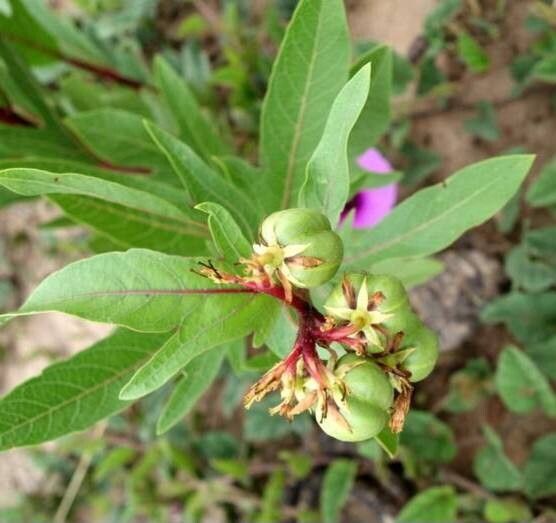
Hello fellow garden enthusiasts! For years, I’ve been captivated by the wonderful Jatropha glauca. It’s such a striking plant with its unique structure and vibrant blooms. Trust me, adding one to your collection is a real treat. And the best part? Propagating it yourself is incredibly rewarding. I’d say it’s a moderate challenge – not impossible for a beginner, but a little patience and the right technique go a long way.
The Best Time to Start
When it comes to getting new Jatropha glauca plants going, spring and early summer are your golden tickets. This is when the plant is actively growing and has plenty of energy to put into rooting. You want to take cuttings from healthy, mature stems that are firm but not woody. Avoid anything too soft or that looks stressed.
Supplies You’ll Need
To set yourself up for success, gather these essentials:
- Sharp, clean pruning shears or a sharp knife: A clean cut is crucial to prevent infection.
- Well-draining potting mix: I like a blend of perlite, coarse sand, and peat moss. A cactus or succulent mix also works beautifully.
- Rooting hormone (optional but recommended): This really gives your cuttings a boost.
- Small pots or seed trays: Make sure they have drainage holes.
- Watering can or spray bottle: For gentle watering.
- Plastic bag or propagation dome: To create a humid environment.
- Warm location: A sunny windowsill or a heat mat is ideal.
Propagation Methods
I’ve found that stem cuttings are by far the most reliable way to propagate Jatropha glauca. Here’s how I do it:
- Take Your Cuttings: In the spring or early summer, select healthy, non-flowering stems that are about 4-6 inches long. Using your sharp shears, make a clean cut just below a leaf node. Remove any lower leaves, leaving just a couple at the top.
- Prepare the Cuttings: If you’re using rooting hormone, dip the cut end into the powder or gel. Make sure any excess is tapped off.
- Plant Your Cuttings: Fill your small pots with the well-draining potting mix. Make a hole in the center with your finger or a pencil. Gently insert the cutting, ensuring the nodes where you removed the leaves are buried in the soil.
- Water Gently: Water the soil thoroughly but gently. You don’t want to disturb the cutting.
- Create Humidity: Cover the pot with a plastic bag or a propagation dome. Secure it with a rubber band to create a mini-greenhouse effect.
- Provide Light and Warmth: Place the pots in a bright spot that receives indirect sunlight. A little bottom heat from a heat mat can significantly speed up the rooting process.
The “Secret Sauce” (Pro Tips)
Now, for a few little tricks I’ve learned over the years that really help:
- Allow cuttings to callus: Before you dip them in rooting hormone and plant, let the cut end of your Jatropha cuttings dry and form a callus for a day or two in a shady spot. This helps prevent rot.
- Don’t overwater, but keep them consistently moist: This is a delicate balance. The soil should feel moist to the touch, but not soggy. If you see condensation building up heavily inside the bag, even for a short period, open it up for a few hours to let it air out.
- Patience with rooting hormone: While wonderful, be careful not to use too much rooting hormone. A light dusting is all you need. Too much can actually inhibit rooting.
Aftercare & Troubleshooting
Once you start to see new leaf growth or feel a gentle tug when you lightly pull on the cutting, it’s a good sign that roots have formed! You can slowly acclimatize your new plant by gradually removing the plastic bag or dome over a week or so. Continue to water when the top inch of soil feels dry.
The most common issue you might encounter is rot. If your cutting turns mushy or black, it’s usually a sign of too much moisture. Don’t be discouraged if a few cuttings don’t make it – that’s part of gardening! Just try again with fresh ones, paying extra attention to that soil moisture.
Happy Growing!
Propagating your own Jatropha glauca is a wonderful way to multiply your beauty and share it with others. Remember to be patient, observe your cuttings closely, and enjoy the journey. There’s a special kind of magic in watching a tiny cutting transform into a thriving plant. Happy gardening!
Resource:
https://identify.plantnet.org/k-world-flora/species/Jatropha%20glauca%20Vahl/data