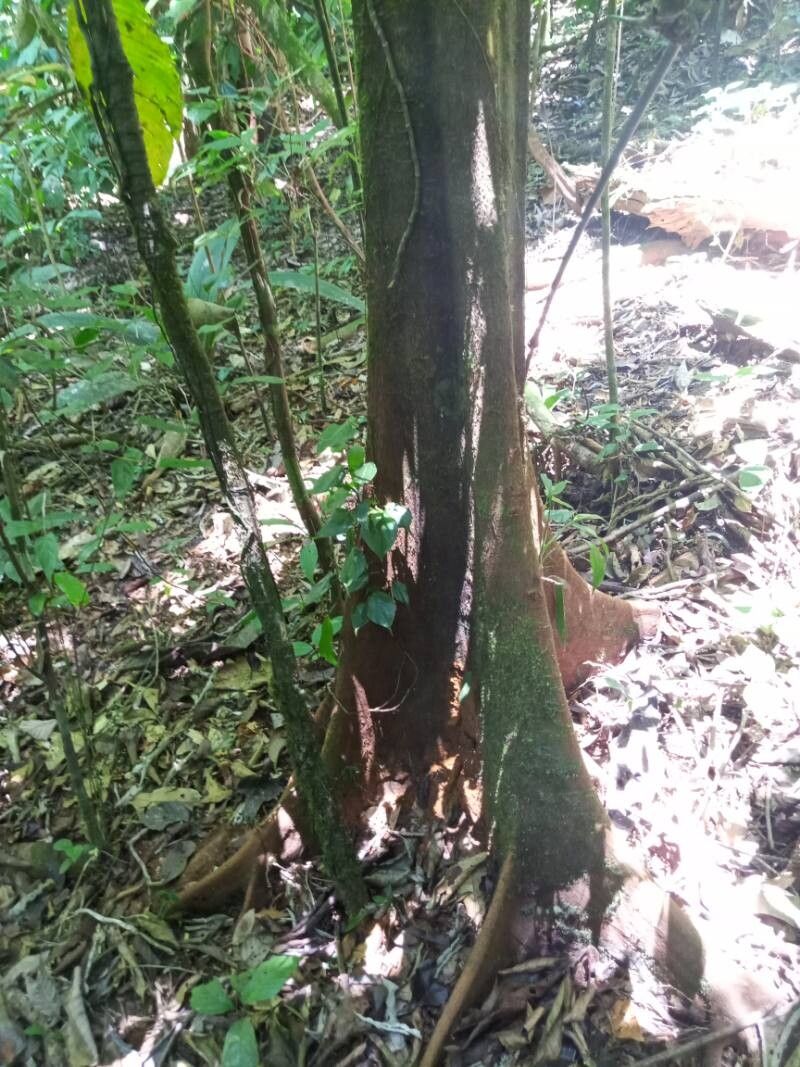
Hello, fellow garden enthusiasts! It’s wonderful to be sharing some plant wisdom with you today. I’ve spent two decades digging in the dirt, and I’m still as smitten with plants as I was on day one. Today, we’re going to dive into propagating Styrax pallidus, also known as fragrant snowbell.
Introducing the Fragrant Snowbell
Oh, Styrax pallidus! If you haven’t encountered this beauty, imagine delicate, bell-shaped white flowers cascading from elegant branches, often with a lovely, subtle fragrance. It’s a truly enchanting shrub that brings a touch of understated elegance to any garden. Propagating it is incredibly rewarding. You get to witness new life emerge from a piece of something established, and frankly, sharing these little darlings with friends is one of the greatest joys of gardening. Now, is it easy for a beginner? I’d say it’s moderately easy. It requires a bit of patience and attention, but with these tips, you’ll be well on your way.
The Best Time to Start
For Styrax pallidus, the sweet spot for propagation is late spring to early summer. This is when the plant is actively growing, and its stems have that perfect balance of flexibility and maturity. You want to catch it when the new growth is firming up but hasn’t become completely woody. Think of it as the plant being full of youthful vigor and ready to branch out.
Supplies You’ll Need
Having the right tools makes all the difference. Here’s what I always have on hand:
- Sharp Pruning Shears or a Knife: Clean cuts are crucial for healthy rooting. Sterilize them before you begin!
- Rooting Hormone: While not strictly essential for all plants, it can significantly boost your success rates, especially with somewhat trickier subjects like this. I prefer a powder or gel.
- Propagation Pots or Small Containers: These should have drainage holes. Yogurt cups with holes poked in the bottom work in a pinch!
- Well-Draining Potting Mix: A good blend is key. I often use a mix of equal parts peat moss or coco coir and perlite or coarse sand. This prevents waterlogging.
- Plastic Bags or a Clear Propagation Dome: This helps maintain humidity around your cuttings, which is vital.
- Water: For moistening the soil and for water propagation.
- Labels and a Marker: So you don’t forget what you’ve propagated and when!
Propagation Methods
Let’s get our hands dirty! The most successful method for Styrax pallidus for me is stem cuttings.
Stem Cuttings:
- Select Your Cuttings: Find healthy, one-year-old stems on your mature plant. Look for branches that have started to harden off but still have some flexibility. You want cuttings that are about 4-6 inches long.
- Make the Cut: Using your sterilized shears or knife, take a cutting just below a leaf node (where a leaf attaches to the stem). This is where the plant has a higher concentration of rooting hormones.
- Prepare the Cutting: Gently remove the lower leaves from the cutting, leaving just a few at the top. This prevents them from rotting in the soil. If your cutting has any flower buds, pinch them off; we want the plant to focus its energy on root development, not flowering.
- Apply Rooting Hormone: Dip the bottom inch of the cutting into your rooting hormone, tapping off any excess.
- Plant the Cutting: Moisten your potting mix thoroughly. Make a small hole in the soil with a pencil or your finger, insert the cutting, and gently firm the soil around it.
- Create a Humid Environment: Place the pot inside a clear plastic bag, creating a mini-greenhouse. You can also use a propagation dome. Stick a couple of skewers or chopsticks in the pot to keep the plastic from touching the leaves.
- Placement: Put the pot in a bright spot, but out of direct sunlight. Too much sun will scorch the delicate cuttings.
The “Secret Sauce” (Pro Tips)
Here are a few things I’ve learned over the years that really seem to help:
- Don’t let the leaves touch the water if you’re doing any kind of pre-soaking or if condensation drips inside your mini-greenhouse. This can encourage rot to set in quickly on tender tissue.
- Bottom heat is a game-changer. If you have the space and resources, placing your propagation pots on a gentle heat mat can significantly speed up root development. It mimics the warmth of spring soil.
- Be patient with removal. Don’t pull on the cutting to see if it has roots too early. Wait until you see new growth appearing at the top, or give it a very gentle tug to feel resistance. This usually takes 4-8 weeks, sometimes longer.
Aftercare & Troubleshooting
Once your cuttings show signs of new leaf growth, this is a good indicator that roots have formed. You can also gently tug on the cutting; if it resists, you likely have roots!
- Gradually Acclimate: Slowly start introducing your new plants to less humid conditions. Open the plastic bag for an hour or two each day for a week before removing it completely.
- Watering: Water your new plant when the top inch of soil feels dry. Avoid overwatering, as this is the most common culprit for failure.
- Troubleshooting Rot: If you see the stem turning brown and mushy or drooping dramatically without any signs of new growth, it’s likely rot. This usually means it was too wet or the humidity was too high for too long without adequate air circulation. Unfortunately, if rot sets in, the cutting is usually lost. Clean up any affected material and try again, perhaps with slightly drier soil or more frequent ventilation.
A Little Time, A Lot of Joy
Propagating Styrax pallidus is a beautiful way to multiply its charm in your garden or to share its elegance with others. It requires a bit of observation and a willingness to try again if the first attempt doesn’t quite work. Just remember to be patient, celebrate the small victories, and enjoy the magical process of coaxing new life from your beloved plants. Happy propagating!
Resource:
https://identify.plantnet.org/k-world-flora/species/Styrax%20pallidus%20A.DC./data