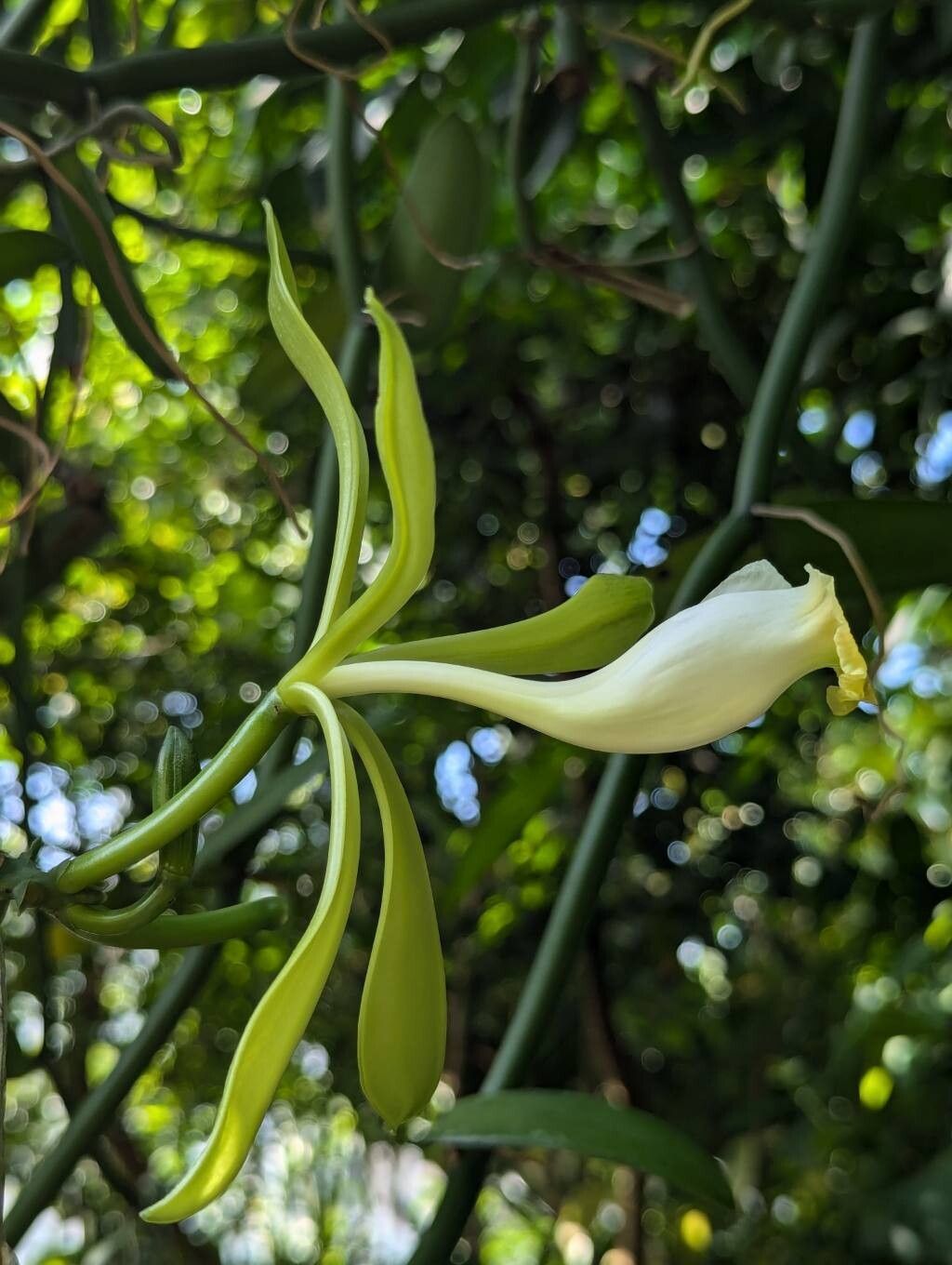
Oh, my dear fellow plant enthusiast! If you’ve ever savored the exquisite aroma of vanilla, you’ve probably marveled at its source. The Vanilla planifolia, this vine that gives us that beloved flavor, is a truly special plant. Growing your own vanilla orchid might seem like a grand undertaking, but I assure you, it’s a journey brimming with satisfaction. And the good news? While it requires a touch of patience, propagating it is surprisingly attainable, even for those new to the wonderful world of orchids!
The Best Time to Start
When to get your propagation party started? Spring and early summer are your absolute best friends here. This is when the plant is actively growing and has plenty of energy to dedicate to putting down new roots. Aim to take cuttings from healthy, mature vines that are showing good vigor. You want a plant that’s already happy and thriving, so it can share that good fortune with its new offspring!
Supplies You’ll Need
Gathering your tools is like prepping for a delicious recipe. Here’s what I always have on hand:
- Sharp pruning shears or a clean, sharp knife: For making clean cuts, which is crucial.
- Good quality potting mix: I like a blend that’s airy and drains well, something like a mix for orchids or a blend of peat moss, perlite, and bark.
- Small pots or propagation trays: To give your new cuttings a cozy home.
- Rooting hormone (optional but recommended): Especially helpful if you’re a bit nervous about root development.
- Clear plastic bags or a humidity dome: To maintain that humid environment your cuttings crave.
- Spray bottle: For gentle watering.
- Labeling stakes: So you don’t forget what you’ve planted and when!
Propagation Methods: Let’s Get Growing!
There are a couple of fantastic ways to multiply your vanilla vine. I’ll walk you through the two most common and successful methods:
Stem Cuttings: The Classic Approach
This is the workhorse of vanilla propagation.
- Select your donor vine: Look for a healthy, mature section of your Vanilla planifolia plant. You want a stem that has at least two to three nodes. Nodes are those little bumps along the stem where leaves emerge.
- Make the cut: Using your clean shears or knife, make a clean cut just below a node. You can also take cuttings that include a larger section with multiple nodes.
- Prepare the cutting: Gently remove the leaves from the bottom node, the one closest to your cut. You can leave the upper leaves on. If your cutting has very large leaves, you can even cut them in half horizontally to reduce water loss.
- Apply rooting hormone (optional): Dip the cut end into rooting hormone powder, tapping off any excess.
- Planting time: Fill your small pot or propagation tray with your well-draining potting mix. Make a hole with your finger or a pencil and insert the cut end of your stem, ensuring at least one node is buried in the soil. Gently firm the soil around the cutting.
- Create a humid environment: Water the soil lightly. Then, cover the pot with a clear plastic bag (don’t let it touch the leaves if possible) or place it under a humidity dome. This is vital for keeping the humidity high, which encourages rooting.
Water Propagation: A Visible Journey
I love this method because you can actually see the roots forming!
- Select and cut: Follow steps 1 and 2 from the stem cutting method. Ensure your cutting has at least two to three nodes.
- Remove lower leaves: Remove any leaves that would sit below the water line.
- Place in water: Find a clean jar or vase and fill it with filtered or distilled water. Place your cutting in the water, making sure the lowest node(s) are submerged. Again, do not let the leaves touch the water.
- Find a bright spot: Place your jar in a bright location, but out of direct sunlight.
- Change the water: Change the water every few days to keep it fresh and prevent stagnation.
The “Secret Sauce” (Pro Tips)
Here are a few little tricks I’ve picked up over the years that can make a world of difference:
- Bottom Heat is Your Friend: If you’re serious about speeding things up, especially in cooler months, placing your pots on a heating mat designed for seedlings can really encourage root formation. It mimics the warmth of the tropics that vanilla loves.
- Don’t Overwater, But Keep it Moist: It’s a delicate balance! You want the soil to be consistently moist, but not soggy. Soggy soil is the fastest way to invite rot. Feel the soil an inch down; if it’s dry, it’s time to water. For water propagation, fresh water is key.
- Patience with Aerial Roots: You might notice your vanilla vine forming aerial roots even before it’s fully established. Don’t be tempted to bury them all initially. They’re a natural part of how vines climb and anchor themselves. Just let them do their thing!
Aftercare & Troubleshooting
Once you start seeing those tiny white roots emerging from your cuttings (either in the soil or in the water), you’re in the home stretch!
- Transitioning to Soil: If you propagated in water, gently pot up your rooted cutting into your well-draining potting mix as soon as the roots are about an inch long. Continue to keep the soil consistently moist and the humidity high. Gradually reduce the humidity over a week or two as the plant establishes itself.
- Continued Care: For cuttings planted directly into soil, continue to keep them in a warm, humid environment and water as needed. You might want to keep them covered for a few more weeks until you see new leaf growth, which is a great indicator that roots have taken hold.
- Troubleshooting: The most common problem you’ll encounter is rot. If your cutting turns mushy and black, it’s likely succumbed to rot. This is usually due to too much moisture or poor air circulation. If you see this happening, discard the affected piece immediately to prevent it from spreading. Yellowing leaves on a cutting can indicate insufficient light or too much water.
A Little Bit of Green Magic
Watching a new vanilla orchid sprout to life from a simple cutting is pure magic, isn’t it? Be kind to yourself on this journey. Some cuttings might take root quickly, while others might need a bit more time and encouragement. Celebrate every sprout, every new leaf, and the simple joy of nurturing a plant. Happy propagating, and may your vanilla dreams come true!
Resource:
https://identify.plantnet.org/k-world-flora/species/Vanilla%20planifolia%20Andrews/data