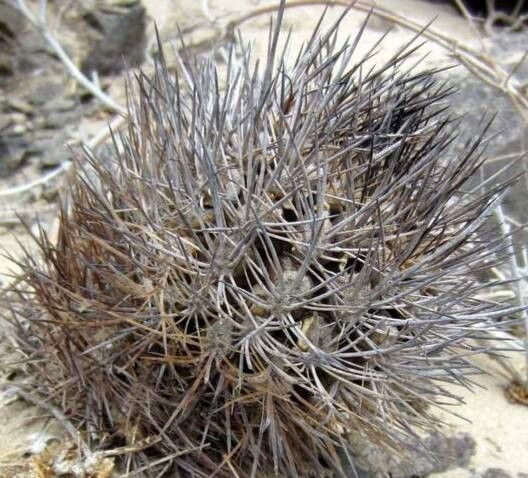
Oh, hello there, fellow plant enthusiast! Grab a warm mug of something delicious, because today we’re going to talk about a real gem: Eriosyce rodentiophila.
I’ve been growing and nurturing plants for two decades now, and let me tell you, there’s something incredibly satisfying about coaxing new life from just a piece of a plant you already love. Eriosyce rodentiophila, with its delightfully fuzzy appearance and often striking spines, is one of those plants that just brightens up a collection. Propagating it is a wonderful way to fill your space with more of these beauties, or even share them with friends. Now, I’ll be honest, Eriosyce rodentiophila can be a little fussy when it comes to propagation, especially for absolute beginners. It’s not a “stick it in water and forget it” kind of plant, but with a bit of care and attention, you’ll absolutely be able to succeed!
The Best Time to Start
Spring is your best friend when it comes to Eriosyce rodentiophila. Think of it as when everything is waking up and has a good burst of energy. This active growing season means your cuttings or offsets will have the best chance of rooting and establishing themselves quickly. Aim for when the plant is actively growing, usually after the last frost has passed and temperatures are consistently warming up.
Supplies You’ll Need
To get your propagation station ready, you’ll want to gather a few things:
- Well-draining cactus and succulent soil mix: This is crucial! You can buy a pre-made mix or create your own by combining equal parts potting soil, perlite, and coarse sand.
- Sterilized sharp knife or pruning shears: Clean tools prevent the spread of disease.
- Rooting hormone (optional but recommended): This can give your cuttings a helpful boost. Look for one formulated for succulents.
- Small pots or planting trays: Make sure they have drainage holes!
- Gravel or small stones: For the bottom of pots if you’re worried about excessive moisture.
- Spray bottle: For gentle watering.
- Labels and a permanent marker: To keep track of what you’ve planted and when.
Propagation Methods
For Eriosyce rodentiophila, the most reliable methods are typically through offsets or stem cuttings.
Propagating from Offsets (Pups)
Many cacti, including some Eriosyce species, will produce baby plants, or offsets, around their base.
- Gently unpot your mature plant. Loosen the soil around the base.
- Carefully identify the offsets. These are smaller plants growing from the sides or base of the mother plant.
- Using your sterilized knife, gently detach an offset. Try to get a clean cut as close to the mother plant as possible, ideally with a small portion of root still attached.
- Let the offset callous over. This is key! Place the detached offset in a dry, well-ventilated spot for a few days to a week until the cut end dries and forms a hard, protective layer. This prevents rot.
- Pot the offset. Fill a small pot with your well-draining cactus mix. Make a small hole in the center and place the calloused end of the offset into the soil. Gently firm the soil around it.
- Water sparingly. Don’t drench it. A light misting or a tiny bit of water at the edges of the pot is enough to encourage root growth.
Propagating from Stem Cuttings
If your plant doesn’t produce offsets, or you want to take more plants from it, stem cuttings are the way to go.
- Take the cutting. Using your sterilized knife, cut a healthy stem segment from the mother plant. Aim for a piece that’s a few inches long. Make a clean cut.
- Allow the cutting to callous. Just like with offsets, this is absolutely vital. Leave the cut end exposed to the air for several days to a week until it’s completely dry and hardened. Patience here saves you heartache later!
- Optional: rooting hormone. Dip the calloused end of the cutting into rooting hormone, tapping off any excess.
- Plant the cutting. Fill a small pot with your cactus mix. Make a hole where you want to place the cutting. Insert the calloused end into the soil, about an inch deep. Gently firm the soil around it.
- Water very lightly. Again, avoid overwatering. A gentle misting every few days is usually sufficient to start.
The “Secret Sauce” (Pro Tips)
Here are a couple of things I’ve learned over the years that can really make a difference:
- Don’t let the cut end touch water until it’s calloused and rooted. This is the quickest way to invite rot. Think of it as letting the plant “heal” itself before it goes into moist soil.
- Bottom heat can be your best friend. If your room is on the cooler side, placing your pots on a seedling heat mat set to a low temperature can significantly speed up root development. It mimics the warmth of spring soil perfectly.
Aftercare & Troubleshooting
Once your offset or cutting has been in the soil for a few weeks, you might start to see signs of new growth or feel a gentle resistance when you tug on it ever so slightly. That’s your cue!
- Increase watering gradually. As the roots develop, you can slowly start watering a little more deeply, but always let the soil dry out completely between waterings.
- Keep it in bright, indirect light. Too much harsh sun can scorch a new, tender plant, but it needs light to grow.
- Watch for rot. The most common sign of failure is rot, which looks like a dark, mushy base. If you see this, act fast! You might be able to salvage a healthy part of the stem by taking a clean cutting and starting over. Overwatering is usually the culprit.
- Pests are rare, but keep an eye out. Mealybugs can sometimes be an issue. A quick wipe with a rubbing alcohol-soaked cotton swab usually does the trick.
A Encouraging Closing
Propagating Eriosyce rodentiophila is a journey, not a race. There will be moments of suspense – waiting for roots to form can feel like forever! But the reward of seeing that little bit of new growth, that sign of life, is absolutely worth it. Be patient with yourself and your little plant babies. Enjoy the process of learning and nurturing, and soon you’ll have a whole garden of fuzzy delights! Happy growing!
Resource:
https://identify.plantnet.org/k-world-flora/species/Eriosyce%20rodentiophila%20F.Ritter/data