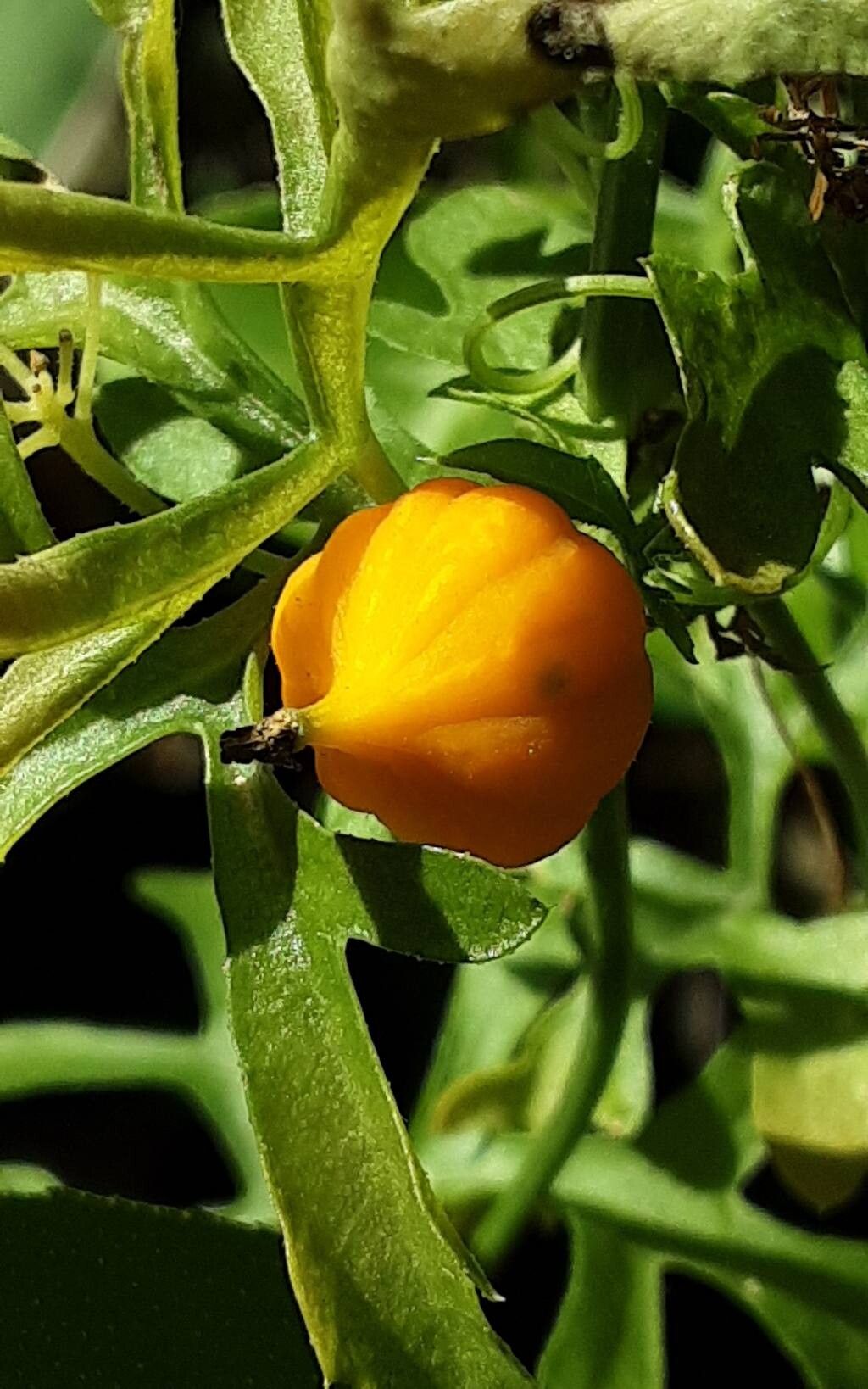
Oh, hello there! It’s so wonderful to have you joining me today. If you’re anything like me, the sight of a healthy, thriving plant just sparks joy, doesn’t it? And when that plant is a charming Kedrostis nana, well, that’s just extra special. This little vine, with its delicate tendrils and attractive foliage, brings such a lovely touch to any space, whether it’s hanging from a shelf or gracefully climbing a small trellis.
The really exciting part? You can easily bring that joy into more spots in your home, or even share it with fellow plant lovers! Propagating this beauty is incredibly rewarding, and I’m happy to guide you through it. Don’t worry if you’re just starting out; while it has its quirks, Kedrostis nana is quite forgiving once you understand its needs.
The Best Time to Start
When it comes to successful propagation, timing is everything. For Kedrostis nana, I’ve found the spring and early summer to be the absolute sweet spot. This is when the plant is actively growing and has plenty of energy to dedicate to forming new roots. Trying to propagate during its dormant period might be a bit of an uphill battle.
Supplies You’ll Need
Before we dive in, let’s gather our tools. Having everything ready makes the process so much smoother:
- Sharp pruning shears or a clean knife: For clean cuts that heal well.
- Well-draining potting mix: A mix formulated for cacti and succulents, or your own blend of potting soil, perlite, and coarse sand works wonders.
- Small pots or nursery trays: Clean and appropriately sized for your cuttings.
- Optional: Rooting hormone: This can give an extra boost, especially for the impatient amongst us.
- Watering can or spray bottle: For gentle hydration.
- A clear plastic bag or propagation dome: To create a humid environment.
Propagation Methods
There are a couple of ways we can coax new life from your Kedrostis nana. I find stem cuttings to be the most reliable method.
Stem Cuttings
This is my go-to for Kedrostis nana. It’s straightforward and usually yields great results.
- Take your cuttings: Look for healthy, vigorous stems that are at least 4-6 inches long. With your sharp pruners or knife, make a clean cut just below a leaf node (where a leaf attaches to the stem). Remove the lower leaves from the cutting, leaving just a few at the very top.
- Let them callous (optional but recommended): This is a crucial step for preventing rot. Place your cuttings in a dry, airy spot for a day or two. You’ll see the cut end start to dry and form a protective seal.
- Dip in rooting hormone (optional): If you’re using rooting hormone, dip the calloused end of the cutting into the powder or gel. Tap off any excess.
- Plant your cuttings: Fill your small pots with your well-draining mix. Make a small hole in the center with your finger or a pencil. Insert the calloused end of the cutting into the hole, about an inch deep. Gently firm the soil around the stem.
- Water gently: Water thoroughly but carefully. You don’t want to dislodge the cutting.
- Create a humid environment: Cover the pot with a clear plastic bag secured with a rubber band, or place it under a propagation dome. This traps moisture, which is vital for root development. Place the pot in a bright spot, but out of direct sunlight.
Water Propagation
While I prefer soil propagation for Kedrostis nana, you can try water propagation for a visual treat.
- Prepare your cutting: Similar to stem cuttings, take a healthy piece about 4-6 inches long, ensuring you have at least one or two leaf nodes. Remove the lower leaves.
- Place in water: Find a clean jar or glass and fill it with room temperature water. Submerge the cut end of the stem, making sure no leaves are touching the water. This is key to preventing rot.
- Change the water regularly: Every few days, refresh the water with clean, room temperature water. This keeps the environment clean and oxygenated.
- Provide bright, indirect light: Place the container in a well-lit location, away from harsh sun.
- Wait for roots: You’ll start to see tiny white roots emerge from the nodes. Once these roots are about an inch long, you can carefully transplant them into soil following the steps for stem cuttings (skipping the callousing step).
The “Secret Sauce” (Pro Tips)
Here are a few little tricks I’ve picked up over the years that can really make a difference:
- Bottom Heat is Your Friend: If you have a propagation mat or can place your pots on a warm, sunny windowsill (but not scorching hot!), the gentle warmth from below will significantly speed up root formation. It mimics the warmth of spring soil.
- Don’t Be Afraid to Mist: While the plastic bag creates humidity, giving the leaves a light misting with a spray bottle every few days can also help keep them turgid and happy, especially if your home is dry. Just don’t let water pool on the leaves for extended periods.
- Patience is a Virtue (Seriously!): Kedrostis nana can be a bit slow to root. Resist the urge to constantly pull up cuttings to check for roots. Give it at least 3-4 weeks before you start gently tugging to feel for resistance, which indicates roots have formed.
Aftercare & Troubleshooting
Once you see roots forming – hooray! This is where the real journey begins.
- Acclimating to Soil: If you propagated in water, gently plant the rooted cuttings into your well-draining mix. Water them in well. If they were in soil and you feel good resistance, it’s time to give them a bit more space. You can start to gradually reduce the humidity by opening the plastic bag a little each day over a week, and then remove it entirely.
- Watering: Water your new plant when the top inch of soil feels dry to the touch. It’s better to underwater slightly than to overwater at this stage.
- Light: Continue to provide bright, indirect light. Avoid direct, hot sun while your new plant is still establishing itself.
Now, what if things go wrong? The most common culprit with Kedrostis nana propagation is rot. This usually happens when the cuttings are kept too wet, particularly in the early stages before roots can absorb moisture. If you see mushy, black stems, it’s likely rot. You may need to discard the affected cutting and try again, ensuring better air circulation and a less soggy environment. Yellowing leaves can sometimes indicate overwatering, while wilting might mean it’s too dry or the roots haven’t established yet.
A Little Encouragement
Watching a new plant unfurl its first tiny leaves is such a special moment. Propagating your Kedrostis nana is a wonderful way to connect with your plants and expand your green collection. Be patient, enjoy the process, and don’t be disheartened if your first attempt isn’t perfect. Every gardener learns through trial and error, and I’m so excited for you to experience the magic of growing your own! Happy propagating!
Resource:
https://identify.plantnet.org/k-world-flora/species/Kedrostis%20nana%20(Lam.)%20Cogn./data