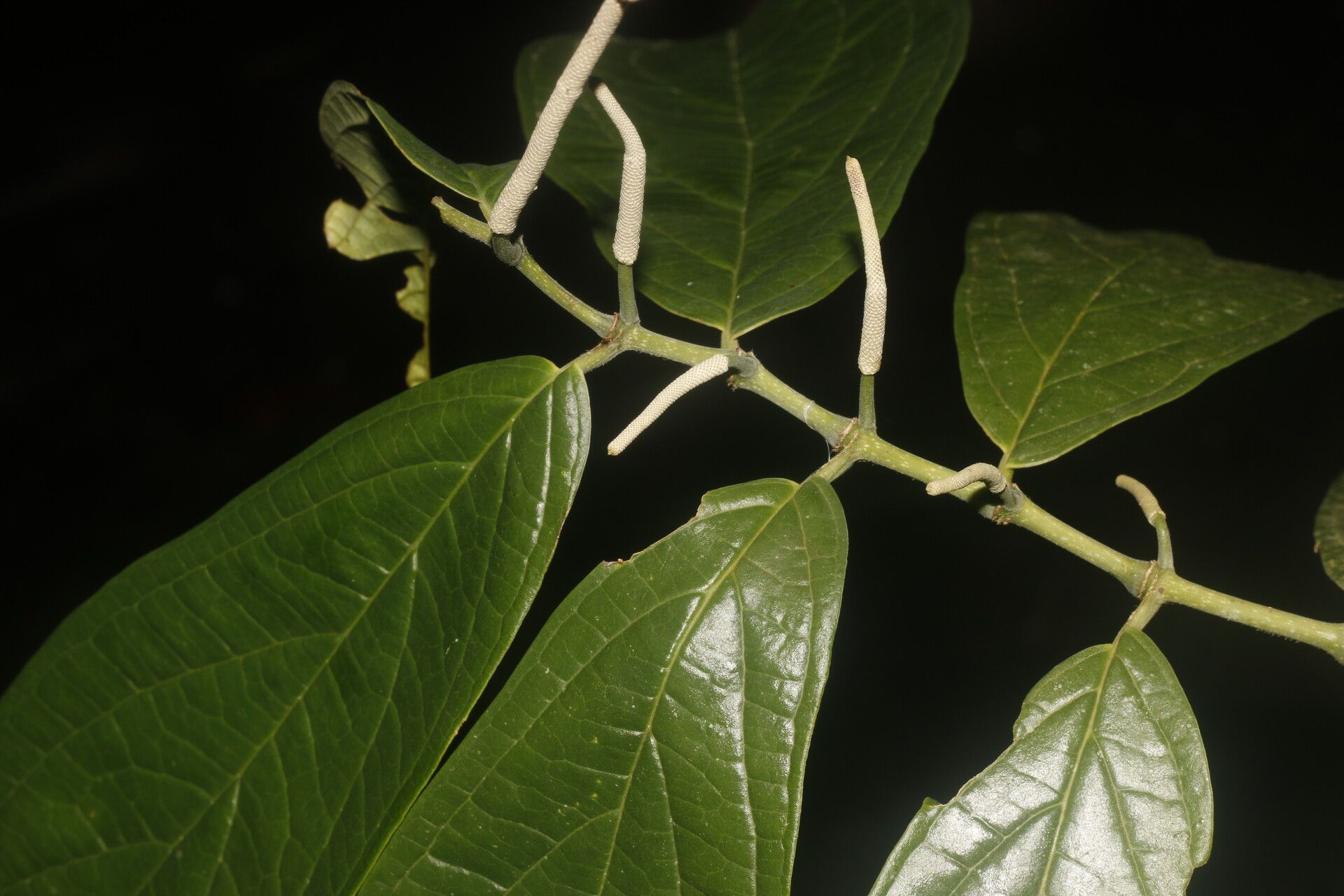
Hello fellow plant lovers! Today, we’re diving into the wonderful world of propagating Piper barbultum. If you’ve ever admired its striking, velvety leaves and intricate veining, you’re not alone. This plant brings such a touch of jungle luxury to any indoor space, and there’s a special kind of joy in nurturing a brand new life from just a small piece of your existing treasure. For those of you just starting out with propagation, I’d say Piper barbultum is moderately easy. It’s not quite a “set it and forget it” kind of plant, but with a little attention, you’ll be rewarded with a whole new family of these beauties.
The Best Time to Start
When it comes to getting the most successful strikes with Piper barbultum, spring and early summer are your golden ticket. This is when the plant is in its most vigorous growth phase, meaning it has the energy to bounce back from taking cuttings and to really focus on rooting. You’ll want to take cuttings from healthy, actively growing stems, not from old, woody growth.
Supplies You’ll Need
Gathering your tools before you start makes the whole process smoother. Here’s what I usually have on hand:
- Sharp Pruning Shears or a Knife: Clean cuts are crucial.
- Rooting Hormone (Optional but Recommended): A powdered or gel form can give your cuttings a nice boost.
- Well-Draining Potting Mix: I like a blend of orchid bark, perlite, and coco coir for good aeration. You can also use a standard houseplant mix with added perlite.
- Small Pots or Propagation Trays: Clean containers are a must to prevent disease.
- Plastic Bag or Propagator Lid: To create a humid environment.
- Mister Bottle: For keeping things consistently moist.
- Clear Tape Measure (Optional): To measure your cuttings for consistency.
Propagation Methods
Let’s get our hands dirty with the most reliable ways to multiply your Piper barbultum.
Stem Cuttings
This is my go-to method for Piper barbultum. It’s straightforward and yields great results.
- Select Your Stems: Look for healthy, non-flowering stems that are at least 4-6 inches long. Gently examine the stem for nodes – these are the little bumps where leaves emerge. Roots will form from these nodes.
- Make the Cut: Using your clean shears, make a cut just below a node. You want to ensure at least two or three nodes are present on your cutting.
- Prepare the Cutting: Gently remove the lower leaves, leaving just one or two at the very top. This prevents buried leaves from rotting in the soil. If you’re using rooting hormone, lightly dip the cut end into the powder or gel according to the product’s instructions.
- Potting Up: Fill your small pots with your prepared potting mix. Gently insert the cut end of the stem into the soil, ensuring at least one node is buried. Firm the soil gently around the stem.
- Create Humidity: Water the pot thoroughly and then cover it with a plastic bag or place it inside a propagator. This creates a mini-greenhouse environment that keeps the humidity high, which is vital for cuttings to root. You can support the bag with a stick or two so it doesn’t touch the leaves.
- Placement: Put the potted cuttings in a warm location with bright, indirect light. Avoid direct sun, which can scorch the leaves.
Water Propagation
This is a fun, visual method, and Piper barbultum does quite well with it.
- Prepare the Cutting: Follow steps 1 and 2 from the Stem Cuttings method – select a healthy stem and cut just below a node.
- Remove Lower Leaves: As before, remove any leaves that will be submerged in water.
- Place in Water: Put your cutting in a clean glass or jar filled with fresh, room-temperature water. Make sure the nodes are submerged.
- Change the Water: Change the water every 2-3 days to keep it fresh and oxygenated. This is crucial to prevent rot.
- Location: Just like with soil propagation, place the jar in a spot with bright, indirect light.
The “Secret Sauce” (Pro Tips)
Here are a few tricks I’ve learned over the years that can really make a difference:
- Bottom Heat is Your Friend: If you’re serious about propagation, investing in a heat mat placed under your pots can significantly speed up root formation. For Piper barbultum, a gentle warmth from below really encourages them to get going.
- Don’t Drown Your Cuttings (Even in Water): While humidity is key, stagnant, dirty water is an invitation for rot. If propagating in water, don’t let the leaves touch the water. They’ll turn mushy and fall off, and this can travel down the stem.
- Be Patient with the Leaves: It’s tempting to immediately prune off any leaves that look a little stressed. Resist the urge! Even a slightly yellowing leaf can still be providing energy to the cutting as it tries to root. Wait until you can see clear signs of new growth (a new leaf forming) before you even consider removing older leaves.
Aftercare & Troubleshooting
Once you start seeing tiny white roots poking out from the drainage holes of your soil-propagated cuttings, or if your water-propagated cuttings have developed a good root system (at least an inch or two long), it’s time for their next chapter!
- Potting Up (from Water): Gently transfer your water-rooted cuttings into pots filled with your well-draining potting mix. Water them thoroughly and then keep them in a humid environment for a week or two as they adjust to the soil.
- Regular Watering: For both soil and water-propagated plants, keep the soil consistently moist but not waterlogged. Overwatering is the quickest way to send your new plant to an early grave, leading to root rot.
- Signs of Trouble: The most common issue you’ll encounter is rot. This often presents as a mushy, black stem at the soil line or yellowing leaves that quickly turn black. If you see this, sadly, it’s usually too late for that particular cutting. The best prevention is good airflow, well-draining soil, and avoiding overwatering. If your cutting just looks sad and is wilting without any visible rot, it might just need more time or a bit more humidity. Don’t give up on it too soon!
Propagating Piper barbultum is a journey, and like any good journey, it requires a bit of patience and a lot of observation. Don’t be discouraged if every single cutting doesn’t make it – think of it as gathering valuable experience. Enjoy the process, celebrate every new root you see, and soon you’ll have more of these magnificent plants to share (or keep all to yourself!). Happy propagating!
Resource:
https://identify.plantnet.org/k-world-flora/species/Piper%20barbulatum%20C.DC./data