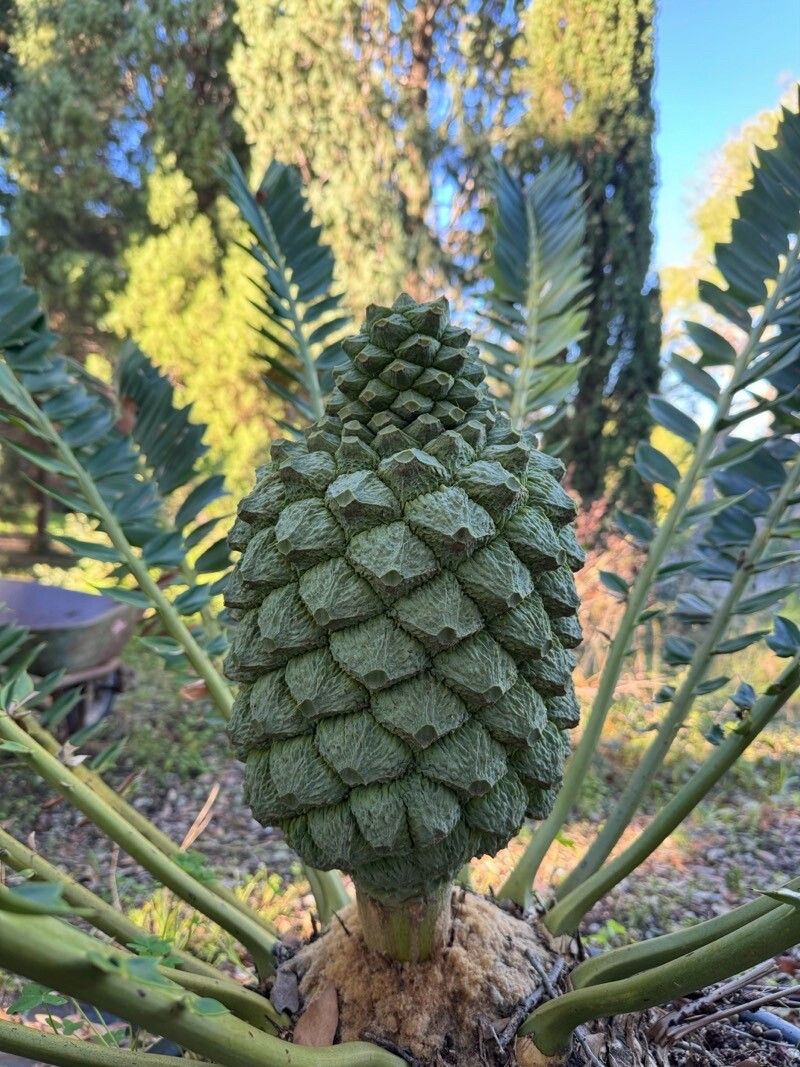
Ah, the allure of the Encephalartos arenarius. If you’ve ever seen one of these sandy-haired beauties, you know exactly what I mean. With their striking, palm-like fronds that almost shimmer in the sun, they bring a prehistoric, almost exotic vibe to any garden. And the best part? You can bring that magic to your own space by propagating them! It’s a truly satisfying endeavor, watching a tiny piece of your beloved cycad transform into a new, independent plant. Now, are they the absolute easiest plant for a complete beginner? To be honest, they can be a little fussy, but with a bit of patience and the right approach, it’s absolutely achievable. Don’t let that deter you!
The Best Time to Start
For Encephalartos arenarius, I always find the late spring or early summer to be the sweet spot. This is when the plant is really bursting with energy, and the warmer temperatures provide a lovely boost for new growth to take hold. You’ll often see new pups emerging around this time, making it the perfect opportunity to gently encourage them to establish themselves.
Supplies You’ll Need
Gathering your supplies ahead of time makes the whole process so much smoother. Here’s what I always have on hand:
- Sharp, clean pruning shears or a sharp knife: For making clean cuts. I sterilize mine in rubbing alcohol between uses.
- Rooting hormone powder: This isn’t always strictly necessary for cycads, as they can often root on their own, but it can give them a helpful nudge. Choose one specifically for hardwood cuttings if possible.
- A gritty, well-draining potting mix: Think about what they love in nature – sand and good drainage! A mix of coarse sand, perlite, and a little bit of compost works wonders. You can also buy specialized cactus or succulent mixes.
- Small pots or containers: Terracotta pots are great because they breathe. Make sure they have drainage holes!
- Gloves: Some cycads have sharp leaf edges, and it’s always good practice to protect your hands.
- Watering can with a fine rose or a spray bottle: For gentle watering.
- Optional: Heat mat: This can speed up the rooting process considerably, especially if your environment is cooler.
Propagation Methods
Encephalartos arenarius is primarily propagated through division, meaning we’re working with pups that naturally form at the base of the mother plant.
Method: Division of Pups
This is the most successful and common way to propagate E. arenarius.
- Identify a Pup: Look for new growths, or “pups,” at the base of your established Encephalartos arenarius. These are essentially baby plants forming from the main trunk. They should ideally have at least a few small leaves already.
- Prepare Your Tools: Make sure your pruning shears or knife are squeaky clean and sharp.
- Gently Excavate: Carefully dig away some of the soil around the base of the pup you want to remove. You want to get a good look at where it’s attached to the mother plant.
- Make the Cut: Using your sharp tool, make a clean cut as close to the mother plant as possible, ensuring you get as much of the pup’s base as you can, ideally with some nascent roots. Try not to tear or damage the tissue.
- Allow to Callus: This is a crucial step I can’t stress enough! For a few days to a week, let the cut end of the pup dry out in a shaded, well-ventilated spot. This is called callousing over. It forms a protective scab, which prevents rot. You’ll see the cut surface become dry and whitish.
- Apply Rooting Hormone (Optional): Once calloused, lightly dip the cut base into rooting hormone powder, tapping off any excess.
- Plant Your Pup: Fill your small pot with your well-draining gritty mix. Make a hole in the center and plant the calloused pup so that its base is firmly in the soil. Ensure the bottom leaves aren’t buried.
- Water Gently: Water thoroughly once, then allow the soil to dry out significantly between waterings.
The “Secret Sauce” (Pro Tips)
- Don’t Rush the Callousing: Seriously, give it enough time. I’ve seen impatience lead to rot more times than I can count. A good, dry scab is your best friend here.
- Embrace the Gritty Mix: I cannot emphasize enough how much these plants hate soggy feet. Even after they’re established, poor drainage is their kryptonite. Your mix should feel almost sandy, not dense and peaty.
- Bottom Heat is Your Friend: If you can, place your potted pups on a heat mat set on a low setting. This gentle warmth from below mimics the soil temperature of their native sandy habitat and can significantly speed up root development. Just make sure it’s not too hot – think warm, not hot.
Aftercare & Troubleshooting
Once your pup is planted, patience is key. Keep it in a bright, indirect light location. Avoid direct, harsh sun initially, as it can scorch the delicate new growth.
Watering is where most people stumble. I let the soil dry out almost completely between waterings. You can check by sticking your finger about an inch or two into the soil. If it feels moist, hold off. Overwatering is the quickest way to greet rot.
Signs of Failure – What to Look For:
- Rotting: This is the most common issue. The base of the pup will turn mushy and dark, and it will likely smell unpleasant. If you see this, sadly, it’s usually a lost cause. Prevent it by ensuring excellent drainage and proper watering.
- No Sign of Growth After Weeks or Months: This can be disheartening, but don’t give up immediately. Some cycads can take months to show signs of rooting. As long as the pup looks firm and healthy, it might just be taking its time.
- Wilting Leaves: This can be a sign of too much sun, too little water, or sometimes, sadly, the beginning of rot. Check your watering routine and light exposure.
A Little Encouragement
Propagating Encephalartos arenarius is a journey, not a race. There will be moments of doubt, but there will also be immense satisfaction when you finally see those first new root hairs or a tiny new frond unfurling. Enjoy the process, learn from each attempt, and celebrate every success, no matter how small. Happy propagating!
Resource:
https://identify.plantnet.org/k-world-flora/species/Encephalartos%20arenarius%20R.A.Dyer/data