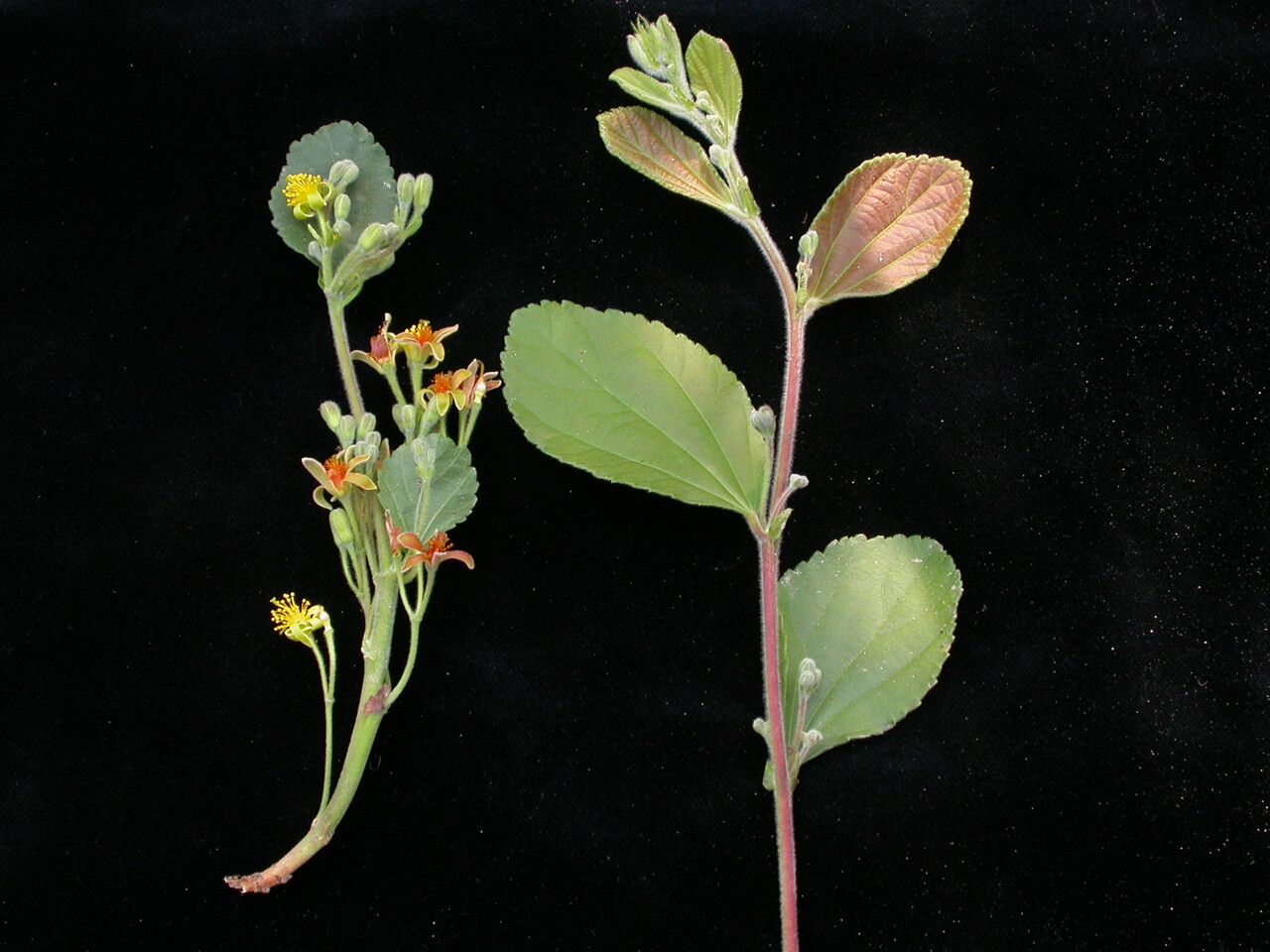
Well hello there, fellow plant lover! If you’ve ever admired the graceful charm of Grewia sapida, with its delicate flowers and often lovely fruit, you’re not alone. For me, this plant embodies a certain wild, yet refined, beauty that’s just wonderful to have around. And the best part? Bringing more of these beauties into your life through propagation is incredibly rewarding. I’ve found that Grewia sapida is a reasonably straightforward plant to propagate, making it a fantastic choice even for those who are just starting their propagation journey.
The Best Time to Start
When it comes to getting the best results, timing is everything. For Grewia sapida, I’ve had the most success when I take cuttings during its active growing season, which usually falls in the late spring to early summer. You want to be working with healthy, vigorously growing stems. Avoid taking cuttings from woody, old growth or when the plant is stressed, like during extreme heat or drought.
Supplies You’ll Need
Gathering your tools before you begin makes the whole process so much smoother. Here’s what you’ll want to have on hand:
- Sharp Pruning Shears or a Craft Knife: Cleanliness is key to prevent disease.
- Rooting Hormone (Optional, but Recommended): This can give your cuttings a helpful boost. I like to use a powder or gel.
- Potting Mix: A well-draining mix is essential. I often use a blend of perlite, peat moss, and a little bit of compost. You can also buy specific seed starting or cutting mixes.
- Small Pots or Propagation Trays: With drainage holes, of course!
- Plastic Bags or a Clear Dome: To create a mini-greenhouse effect.
- Water: For misting and, if you choose, water propagation.
- Labels and a Marker: So you don’t forget what you planted where!
Propagation Methods
Let’s get our hands dirty! Here are the methods I’ve found most effective for Grewia sapida:
Stem Cuttings
This is my go-to for Grewia sapida. It’s reliable and usually yields great results.
- Select Your Cuttings: Look for healthy, semi-hardwood stems that are about 4-6 inches long. You want stems that are not too soft and green, nor too woody and mature. A stem that bends slightly without snapping is usually just right.
- Make the Cut: Using your clean pruning shears or craft knife, make a clean cut just below a leaf node (the point where a leaf attaches to the stem). This is where root-forming cells are often most active.
- Prepare the Cutting: Remove the lower leaves, leaving only the top two or three to help with photosynthesis and reduce moisture loss. If the remaining leaves are very large, you can cut them in half to further conserve water.
- Apply Rooting Hormone (If Using): Dip the cut end of the stem into the rooting hormone, tapping off any excess. This powder or gel sticks to the stem and encourages root development.
- Plant the Cuttings: Moisten your potting mix so it’s damp but not soggy. Make a small hole in the mix with a pencil or your finger, and then insert the cutting. Gently firm the soil around the base of the cutting to ensure good contact.
- Create a Greenhouse: Water the soil lightly. Then, cover the pot loosely with a plastic bag or place it inside a propagator with a clear lid. This traps humidity, which is crucial for cuttings to root before they can absorb water through new roots.
Water Propagation
This method can be fascinating to watch, though sometimes a bit trickier for Grewia sapida to transition to soil later.
- Prepare the Cuttings: Follow steps 1-3 from the stem cutting method.
- Place in Water: Place the prepared cuttings in a clean jar or glass of water. Make sure the leaf nodes are submerged, as this is where roots will emerge. Crucially, ensure no leaves are touching the water, as they will rot.
- Location: Place the jar in a bright spot with indirect sunlight.
- Change Water Regularly: Change the water every few days to keep it fresh and prevent bacterial growth.
- Transplant When Ready: Once you see robust roots forming (at least an inch long), it’s time to transplant them into well-draining potting mix. This transition can be delicate, so be patient.
The “Secret Sauce” (Pro Tips)
Here are a couple of things I’ve learned over the years that can really make a difference:
- Bottom Heat is Your Friend: For stem cuttings, placing your pots on a heating mat can significantly speed up root formation. This provides gentle warmth to the base of the cutting, encouraging those roots to develop faster.
- Don’t Overwater the Soil: While humidity is key, soggy soil is the enemy of cuttings. It leads to rot. The goal is consistently moist, not waterlogged. If you’re unsure, err on the drier side and mist the leaves if needed.
- Patience with Transplants: When moving water-rooted cuttings to soil, don’t be discouraged if they droop a bit. They’re adjusting to a new environment. Keep the soil consistently moist and the humidity high for the first week or two.
Aftercare & Troubleshooting
Once those lovely roots have started to form, it’s time to shift your focus to nurturing your new plant.
- Gradual Acclimation: If your cuttings were in a plastic bag or propagator, gradually introduce them to open air over a week or so. Start by opening the bag slightly for a few hours each day, then remove it completely.
- Watering: Water your new plants when the top inch of soil feels dry. Avoid letting them sit in water.
- Light: Move them to a spot with bright, indirect light. As they grow stronger, you can gradually introduce them to more direct sunlight, depending on your climate and the plant’s needs.
- Signs of Trouble: The most common issue is rot. If your cuttings look mushy, blacken, or simply refuse to root, it’s usually a sign of too much moisture or poor air circulation. Remove any affected cuttings immediately to prevent it from spreading. Wilting can also occur if they are drying out too quickly, so check your humidity levels and watering.
A Encouraging Closing
Propagating plants is a journey, and each success is a little victory. Be patient with your Grewia sapida, observe what works best in your specific environment, and most importantly, enjoy the magic of watching something new grow from a tiny cutting. Happy propagating!
Resource:
https://identify.plantnet.org/k-world-flora/species/Grewia%20sapida%20Roxb.%20ex%20DC./data