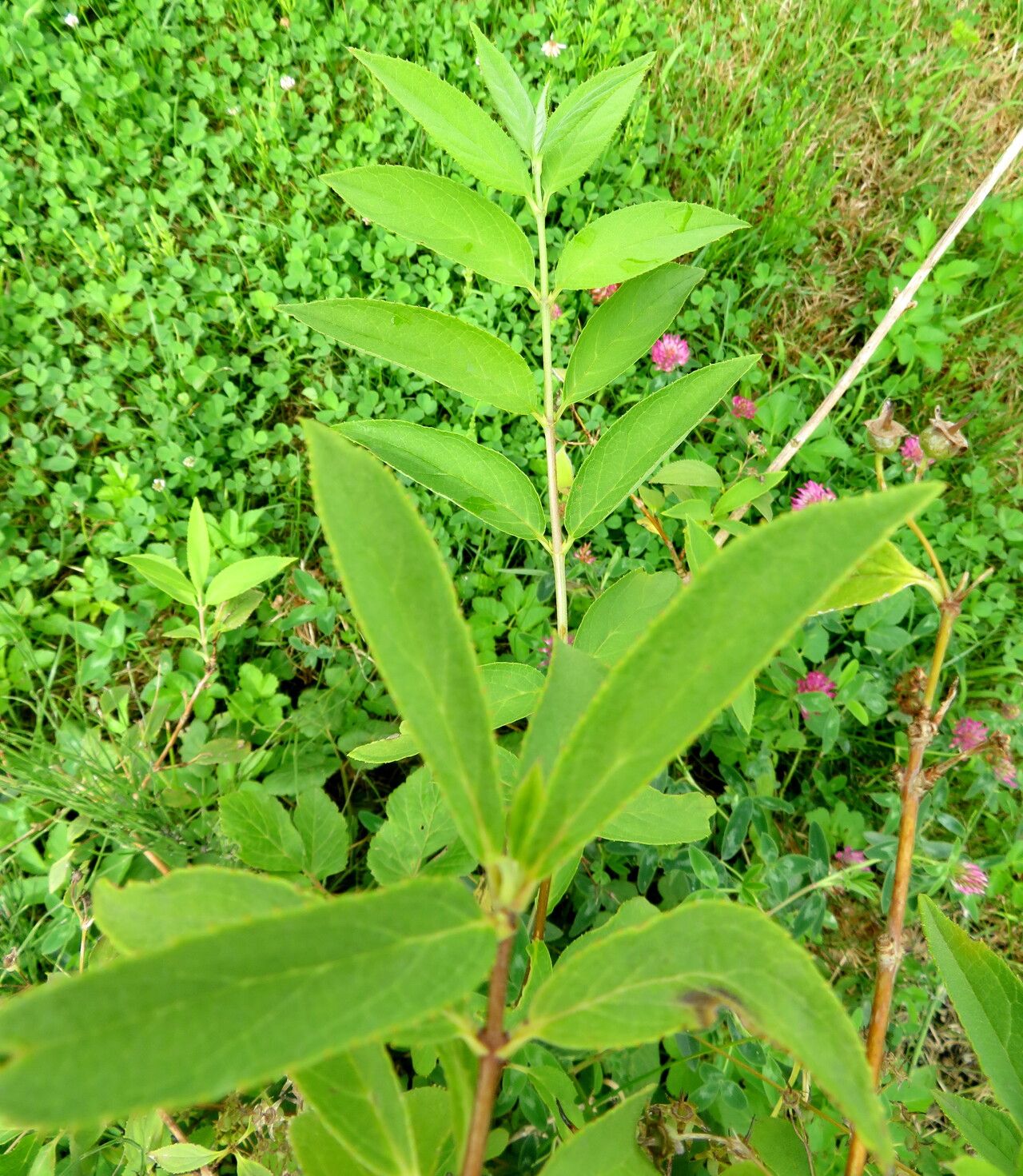
Hey there, fellow plant lovers! If you’ve ever admired the delicate, bell-shaped flowers of Deutzia discolor, with its charming clusters that brighten up the spring garden, you’re not alone. I’ve been growing these beauties for two decades now, and honestly, seeing them bloom year after year is such a joy.
One of the most rewarding things we can do as gardeners is to share the love by propagating our favorite plants. And guess what? Deutzia discolor is wonderfully generous. For beginners, I’d say propagating it is moderately easy. It’s not quite as foolproof as a succulent, but with a little attention, you’ll be rewarded with plenty of new plants to share or fill out your own garden.
The Best Time to Start
For the best success with Deutzia cuttings, aim for the late spring to early summer. This is when the plant is actively growing, and you can take cuttings from the current season’s growth. Look for stems that are semi-hardened. They should be flexible enough to bend without snapping but firm enough that they don’t feel flimsy. Think of it like a pencil – not too green and bendy, not too old and woody. Taking cuttings when the plant is actively putting on new growth means the stem has plenty of vigor to push out roots.
Supplies You’ll Need
Gathering your tools beforehand makes the whole process much smoother. Here’s what I always have on hand:
- Sharp, clean pruning shears or a sharp knife: For making clean cuts, which is crucial for rooting.
- Rooting hormone (optional but recommended): A little boost can make a big difference.
- Small pots or seed trays: Make sure they have drainage holes!
- Well-draining potting mix: I like a blend of peat moss or coco coir mixed with perlite or coarse sand. This prevents waterlogging. A good mix might be 50/50.
- Plastic bags or propagation domes: To create a humid environment.
- Watering can or spray bottle: For gentle watering.
Propagation Methods
I primarily use stem cuttings for Deutzia discolor, as it’s quite reliable and you can get multiple plants from a single parent shrub.
Stem Cuttings:
- Select your stems: Look for healthy, non-flowering shoots from the current season’s growth.
- Make the cut: Using your clean shears, take cuttings that are about 4 to 6 inches long. Make the cut just below a leaf node (where a leaf attaches to the stem). This is a prime spot for root development.
- Prepare the cuttings: Gently remove the leaves from the bottom half of the cutting. You want to leave just a couple of leaves at the very top to help with photosynthesis. If the remaining leaves are very large, I’ll often cut them in half horizontally. This reduces water loss through transpiration.
- Apply rooting hormone (optional): Dip the cut end of the stem into your rooting hormone powder or gel, tapping off any excess.
- Plant your cuttings: Fill your small pots with your prepared potting mix. Make a hole with your finger or a pencil and insert the cutting, ensuring the nodes where you removed the leaves are buried in the soil. Gently firm the soil around the base of the cutting.
- Water gently: Water thoroughly, but avoid making the soil soggy. You want it moist, not waterlogged.
- Create humidity: Cover the pots with a plastic bag, propped up with skewers or sticks so it doesn’t touch the leaves, or place them under a propagation dome. This creates a mini-greenhouse effect.
- Location, location, location: Place your pots in a bright spot out of direct sunlight. They’ll appreciate warmth, so a heated propagator or a warm windowsill is ideal.
The “Secret Sauce” (Pro Tips)
Here are a few things I’ve learned over the years that really seem to give cuttings a little extra edge:
- Don’t let the leaves touch the water (if you ever try water propagation): This is more for propagation in water, but the principle applies here too. Excess moisture on leaves can encourage fungal diseases. That’s why I always ensure my plastic bag is propped up.
- Bottom heat is your friend: If you have access to a seedling heat mat, placing your pots on it can significantly speed up root development. Deutzia roots love a bit of warmth from below!
- Watch for condensation patterns: When you’ve got your cuttings covered for humidity, you’ll see condensation on the plastic. I find that a light misting of condensation every day or two is perfect. If it’s dripping wet, you might need to air them out for a bit.
Aftercare & Troubleshooting
Once your cuttings have rooted, which can take anywhere from 4 to 8 weeks, you’ll see new leaf growth. You can also check by giving the cutting a very gentle tug; if there’s resistance, roots have formed.
Once rooted:
- Gradually acclimate them: Start by removing the plastic cover for a few hours each day, slowly increasing the time until they are used to ambient humidity.
- Transplant carefully: Once they are a bit larger and have a good root system, you can pot them up into slightly larger pots with fresh potting mix.
- Keep them watered: Continue to keep the soil consistently moist but not soggy.
The main thing to watch out for is rot. If the stem turns black and mushy, or the leaves wilt and turn brown, it’s usually a sign of too much moisture and poor air circulation. If you see this happening, carefully remove the affected cutting. Ensure your soil is well-draining and that you’re not overwatering. Sometimes, the cutting just doesn’t have enough stored energy to form roots, and that’s okay too! It’s all part of the learning process.
A Encouraging Closing
Propagating Deutzia discolor is a wonderful way to expand your garden and share the joy of these beautiful plants. Be patient with yourself and with the cuttings. Sometimes they take their sweet time, and other times they surprise you with how quickly they establish. The true reward is in the process itself, watching those tiny beginnings grow into robust new plants ready to grace your garden. Happy propagating!
Resource:
https://identify.plantnet.org/k-world-flora/species/Deutzia%20discolor%20Hemsl./data