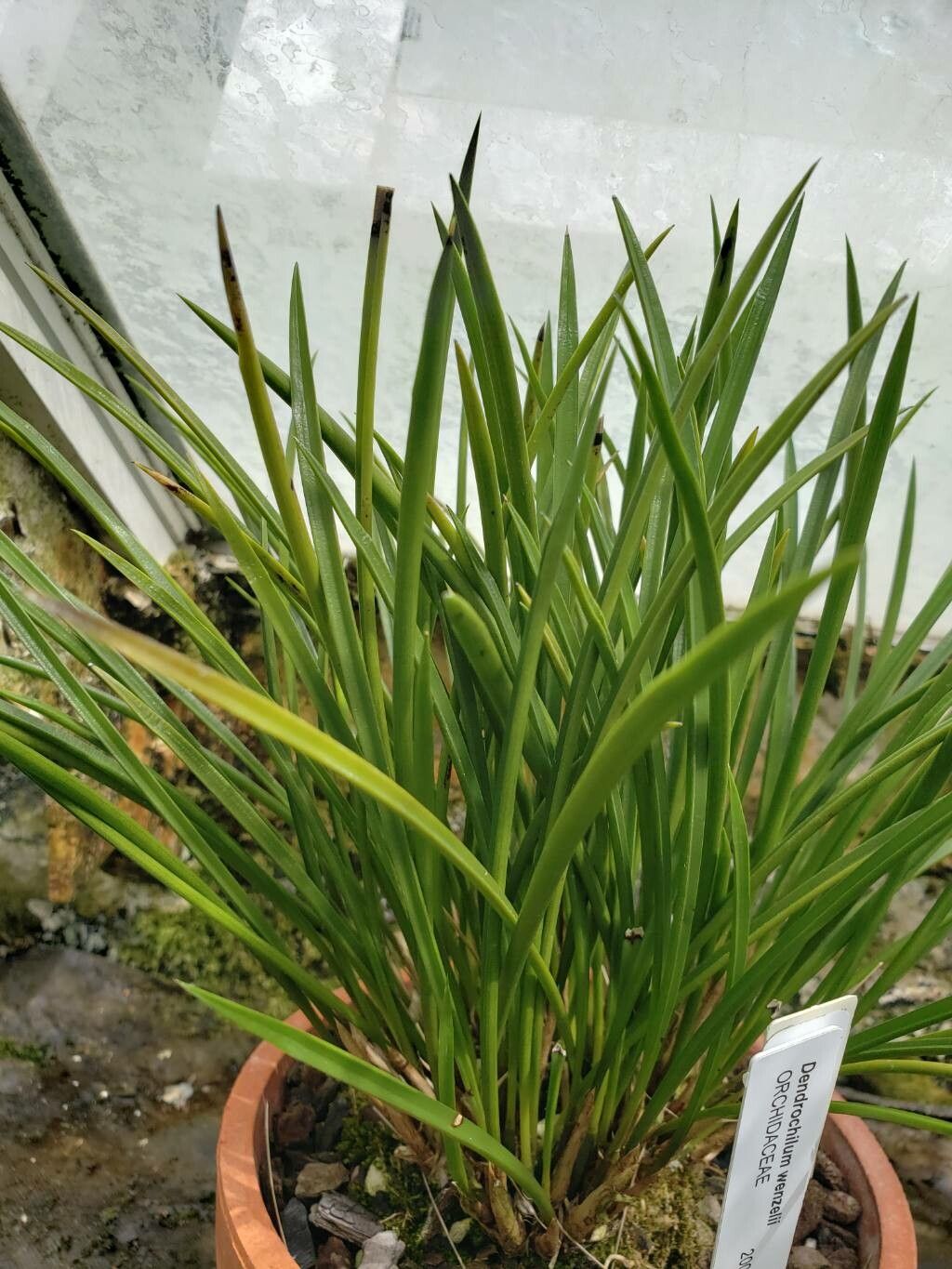
Hello, fellow plant enthusiasts! Today, we’re diving into the delightful world of Coelogyne wenzelii. If you’ve ever admired the delicate, almost ethereal blooms of this orchid, you know how special it is. Those creamy white petals with their intricate, often fragrant, labellums make it a real showstopper. The joy of propagating it yourself, watching a new little life emerge from your efforts, is truly something else. Now, I’ll be honest, Coelogyne wenzelii isn’t always the most straightforward orchid to propagate, but with a little patience and my tried-and-true methods, I’m confident you can achieve success.
The Best Time to Start
My favorite time to divide and propagate Coelogyne wenzelii is after it has finished blooming and is entering its active growth phase. This typically happens in the late spring or early summer. You’ll see those tell-tale new pseudobulbs starting to swell. This means the plant has plenty of energy stored up to support the new divisions and encourage healthy root development. Trying to propagate when the plant is dormant or stressed is just asking for a struggle.
Supplies You’ll Need
Gathering your tools beforehand makes the whole process much smoother. Here’s what I always have on hand:
- Sharp, sterilized pruning shears or a very sharp knife: Cleanliness is paramount to prevent disease. A quick dip in rubbing alcohol or a flame sterilization (and letting it cool!) works wonders.
- Orchid potting mix: A well-draining mix is essential. I like a blend of bark, perlite, and a bit of charcoal.
- New, clean pots: Choose pots that are just slightly larger than the root ball of your new division. Terra cotta pots are great for orchids as they allow for good aeration.
- Watering can or mister: For gently watering your new plant.
- Optional: Rooting hormone (for divisions): While not always necessary for this particular orchid, a sprinkle can sometimes give your divisions an extra boost.
Propagation Methods: Division is Key!
For Coelogyne wenzelii, the most successful and practical method is division. These orchids grow from pseudobulbs, forming clumps, and splitting these clumps is the way to go.
- Gently Unpot: Carefully slide your Coelogyne wenzelii out of its current pot. If it’s been in there a while, you might need to gently loosen the edges with a knife.
- Inspect the Roots: Take a good look at the root system. You’re looking for healthy, fleshy roots. Gently tease apart any compacted soil.
- Identify Natural Breaks: Look for sections of the plant that have at least two to three healthy pseudobulbs and some good roots. These are your potential new plants.
- Make the Cut: Using your sterilized sharp tool, carefully cut through the rhizome between the sections you’ve identified. Try to make a clean cut. If a division seems a bit reluctant, don’t force it. Sometimes gently wiggling can help if the rhizome is brittle.
- Prepare the Division: If there are any damaged or dead roots, trim them away. If you’re using rooting hormone, lightly dust the cut surface where you removed roots.
- Potting Up: Place your new division in its clean pot. Center it and begin gently filling with your orchid mix, ensuring the roots are spread out. The pseudobulbs should be sitting mostly on top of the mix, not buried too deeply.
- Initial Watering: Water very lightly after potting. You don’t want to completely saturate the new mix right away, as this can encourage rot in a division that hasn’t yet established roots.
The “Secret Sauce” (Pro Tips)
Here’s a little something extra I’ve learned over the years:
- Don’t be afraid to expose old roots: If you have old, dead, papery roots, it’s almost always better to remove them than to leave them to potentially harbor fungal issues. Focus on the healthy, plump ones.
- Let it sit for a day (optional but recommended): After dividing and potting, letting your new divisions sit out of direct sun for about 24 hours before watering can help any minor cuts seal over, further reducing rot risk.
- Patience with pseudobulbs: Sometimes, divisions might look a little sad for a few weeks. If the pseudobulbs are still firm and not shriveling excessively, give them time. They are relying on stored energy.
Aftercare & Troubleshooting
Once your new Coelogyne wenzelii is potted, place it in a spot with bright, indirect light. Avoid direct sun which can scorch the leaves. Water when the potting mix is approaching dryness. This might be more frequent at first as the division establishes itself, but always err on the side of slightly too dry rather than too wet.
The most common sign of trouble is rot. If you see pseudobulbs turning mushy and black, or leaves developing yellowing and soft spots, it’s likely due to overwatering. In this case, you may need to unpot, trim away the rotten parts (making sure to only leave healthy tissue), and repot in fresh, drier mix. Remove any rotted material immediately. Also, yellowing leaves on an otherwise healthy-looking division can signal underwatering, so keep an eye on that pseudobulb firmness.
Watching a new orchid grow and eventually bloom, knowing you helped bring it into existence, is an incredibly satisfying feeling. It teaches you about the plant’s life cycle and your own resilience as a gardener. Be patient with your new divisions. They’re getting their feet under them, so to speak. Enjoy the process, learn from each step, and happy orchid growing!
Resource: