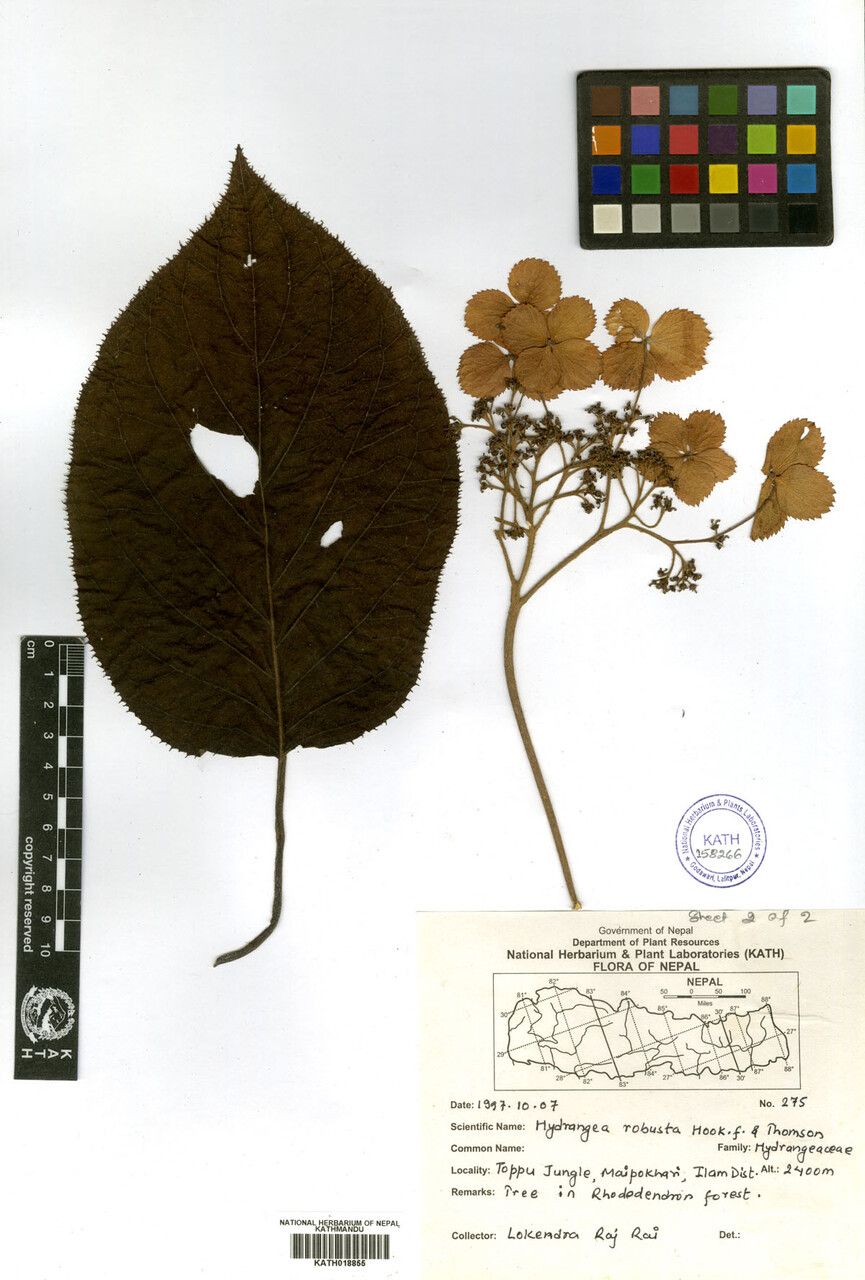
Well hello there, fellow plant lover! It’s so good to see you dipping your toes into the wonderful world of propagation. Today, we’re going to chat about one of my absolute favorites: Hydrangea robusta.
Why You’ll Love Propagating Hydrangea Robusta
Honestly, there’s just something so magical about creating new life from an existing plant. Hydrangea robusta is a stunner, isn’t it? Those big, beautiful blooms bring such joy to the garden, and getting to share that experience by creating more of them? It’s incredibly rewarding. Now, for those of you just starting out, I’ll be straight with you: Hydrangea robusta isn’t the absolute easiest plant to propagate, but with a little patience and these tips, I’m confident you’ll achieve wonderful results. We’ll tackle it together!
The Best Time to Start
For the highest success rate, late spring to early summer is your sweet spot. This is when the plant is actively growing, and you’ll be taking cuttings from current year’s growth that is semi-hardened. This means it’s not gloriously soft and bendy like new shoots, but not rock-hard old wood either. It’s that perfect in-between stage.
Supplies You’ll Need
Gathering your tools beforehand makes the whole process so much smoother. Here’s what I always have on hand:
- Sharp Pruning Shears or a Craft Knife: Clean cuts are crucial for good rooting.
- Rooting Hormone: This isn’t strictly essential for hydrangeas, but it gives your cuttings a significant boost. I prefer a powder form.
- Small Pots or Seed Trays: Make sure they have drainage holes!
- A Well-Draining Potting Mix: A mix of peat moss, perlite, and a bit of coarse sand works brilliantly. You want something that won’t hold too much moisture.
- Plastic Bags or Propagation Domes: To create a humid environment.
- Watering Can with a Fine Rose Head: For gentle watering.
- Labels and a Marker: Don’t skip this! You’ll thank yourself later.
Propagation Methods: Let’s Get Our Hands Dirty!
We’ll focus on the most reliable method for Hydrangea robusta: stem cuttings. It’s tried and true!
- Select Your Cuttings: On your Hydrangea robusta, look for healthy stems that are the current season’s growth. You want to take cuttings that are about 4-6 inches long. Make your cut just below a leaf node. A leaf node is where a leaf attaches to the stem; this is where the magic of root formation happens.
- Prepare the Cuttings: Gently remove the lower leaves, leaving just two or three at the top. This prevents them from rotting when in contact with the soil and reduces water loss. If your cuttings are particularly long, you can also trim them in half vertically at the base.
- Apply Rooting Hormone: Dip the cut end of each stem into your rooting hormone, tapping off any excess. This provides a concentrated dose of plant hormones to encourage root development.
- Plant Your Cuttings: Fill your pots or trays with your well-draining potting mix. Make a small hole in the center with a pencil or your finger. Insert the treated end of the cutting into the hole, about 1-2 inches deep. Gently firm the soil around the stem to ensure good contact.
- Water Gently: Use your watering can with the fine rose to water the soil thoroughly but gently. You don’t want to dislodge your precious cuttings.
- Create Humidity: This is key! Cover your pots with a clear plastic bag, propped up with a stick or a few skewers so it doesn’t touch the leaves. Alternatively, use a propagation dome. This traps moisture and creates a mini-greenhouse effect, which is vital for cuttings to root.
The “Secret Sauce” (Pro Tips)
Here are a few tricks I’ve learned over the years that can make a big difference:
- The Leaf Test: Once you’ve set up your humid environment, give the leaves a good misting. The idea is to keep the leaves hydrated until roots form. If the leaves look turgid and healthy after a day or two, you’re on the right track. If they start to droop dramatically, you might need to slightly increase the humidity or ensure the soil stays consistently moist.
- Bottom Heat is Your Friend: While not strictly essential, placing your pots on a gentle seedling heat mat can dramatically speed up the rooting process. The warmth encourages root development from the base of the cutting without overheating the leaves. Aim for a temperature around 70-75°F (21-24°C).
- Patience is a Virtue (Especially with Hydrangeas): Don’t be tempted to pull up your cuttings too soon to check for roots. Hydrangeas can be a bit slower to establish than some other plants. Wait at least 4-6 weeks, and often longer, before attempting to check for root development.
Aftercare & Troubleshooting
Once you start to see new leaf growth, that’s a good sign! It means your cuttings are likely developing roots. You can gently try to tug on a cutting; if there’s resistance, you have roots!
- Gradual Acclimation: Slowly start to introduce your cuttings to less humid conditions. You can do this by opening the plastic bag a little more each day or lifting the propagation dome for longer periods.
- Gentle Watering: Continue to keep the soil consistently moist but not waterlogged. Overwatering at this stage is a recipe for disaster.
- Transplanting: Once your new plants have a good root system and are showing consistent growth, you can transplant them into slightly larger individual pots.
Now, what if things don’t go as planned? The most common issue you’ll encounter is rot. This usually happens due to overwatering and poor drainage. If you see your cuttings turning mushy or black at the base, or if the leaves are clearly wilting despite being in a humid environment, it’s likely rot. Unfortunately, once rot sets in, it’s difficult to save the cutting. This is why good drainage and not overwatering are so crucial.
Happy Planting!
Propagating is a journey, and every cutting is a learning experience. Don’t get discouraged if not every single one takes. Celebrate your successes, learn from any setbacks, and most importantly, enjoy the process of bringing more of that Hydrangea robusta beauty into your life and to share with others. Happy gardening, my friend!
Resource:
https://identify.plantnet.org/k-world-flora/species/Hydrangea%20robusta%20Hook.f.%20&%20Thomson/data