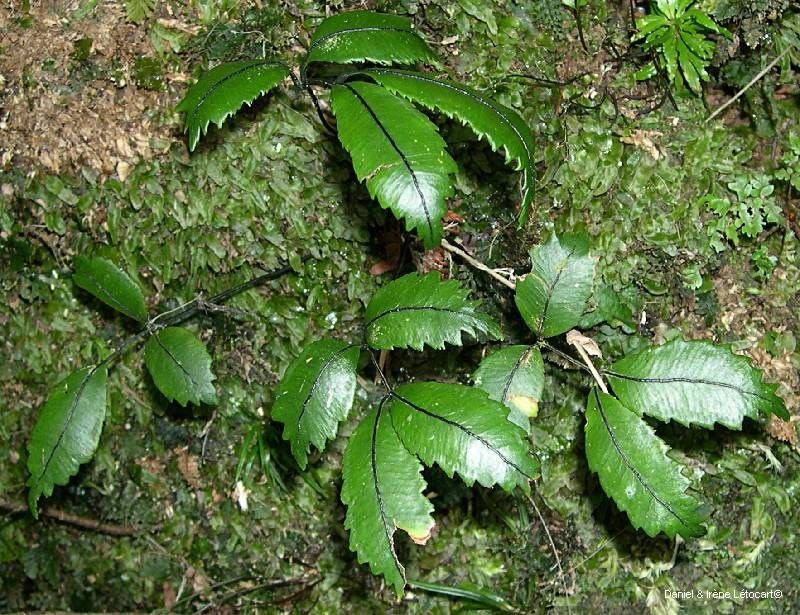
Hello, fellow plant lovers! Today, we’re diving into the wonderful world of Ptisana rolandi-principis. If you’ve ever admired its elegant fronds and unique texture, you’re not alone. This fern is a real stunner, adding a touch of the exotic to any indoor jungle. And the best part? You can easily multiply this beauty right in your own home. Propagating Ptisana feels like a little bit of garden magic, and I’m so excited to share how you can do it. While it might seem a bit intimidating, with a few simple steps, you’ll be well on your way to a whole new collection of these gorgeous ferns.
The Best Time to Start
The sweet spot for propagating Ptisana rolandi-principis is generally during its active growing season. Think late spring through summer. This is when the plant is energized, pushing out new growth, and has the most vigor. Starting then gives your new cuttings or divisions the best chance to establish themselves before cooler weather arrives.
Supplies You’ll Need
Here’s what I always have on hand:
- Sharp pruning shears or a clean knife: For making clean cuts.
- Well-draining potting mix: A good blend for ferns often includes peat moss, perlite, and a bit of orchid bark. You can also find specific fern mixes.
- Small pots or trays: For your new propagations.
- Clear plastic bags or a propagation dome: To maintain humidity.
- Rooting hormone (optional but recommended): A powder or gel to give cuttings an extra boost.
- Watering can or spray bottle: For gentle watering.
- Labels and a marker: To keep track of what you’ve propagated.
Propagation Methods
Ptisana rolandi-principis, like many ferns, is best propagated through division. While stem cuttings are possible for some plants, dividing the root ball is usually the most successful and straightforward method for this particular beauty.
Division Step-by-Step:
- Prepare Your Plant: Gently remove your mature Ptisana from its pot. If it’s very root-bound, you might need to carefully loosen the soil around the edges.
- Identify Division Points: Look for natural breaks in the root system, where you can see distinct crowns or clumps of fronds emerging. You’re looking for sections that have their own healthy root structure.
- Make the Cut (or Pull Apart): Using your clean pruning shears or knife, carefully separate the plant into smaller sections. Aim for divisions that have at least 2-3 healthy fronds and a good portion of root. If the roots are intertwined, you might be able to gently pull sections apart with your hands. Be patient here; you don’t want to rip roots unnecessarily.
- Pot Up Your Divisions: Fill your new pots with your prepared potting mix. Make a small indentation in the center of the soil.
- Plant the Division: Place each division into its new pot, ensuring the base of the fronds is at soil level. Gently firm the soil around the roots.
- Water Thoroughly: Water each new pot until water drains from the bottom. This helps settle the soil around the roots.
- Create a Humid Environment: This is crucial! Cover each pot with a clear plastic bag (tie it loosely at the base) or place them inside a propagation dome. This creates a mini-greenhouse effect, keeping the humidity high, which ferns absolutely adore.
The “Secret Sauce” (Pro Tips)
- Don’t Drown Your Roots: When you water after division, make sure the soil is moist but not waterlogged. Excess moisture can lead to rot, which is the enemy of any new propagation.
- Location, Location, Location: Place your newly potted divisions in a spot with bright, indirect light. Direct sun will scorch those delicate new fronds. A warm location is also beneficial.
- Patience with Pots: If you do decide to try a cutting (which is trickier for this fern but not impossible!), make sure the cut end is just above the soil surface, not buried deeply.
Aftercare & Troubleshooting
Once your divisions are potted and nestled into their humid little homes, keep them there! Mist the fronds lightly if they start to look a little dry, but the humidity tent should do most of the work.
The goal is for the plant to start showing new frond unfurling within a few weeks. This is your sign that roots are developing and the plant is happy.
Signs of Trouble:
- Yellowing or Crispy Fronds: This usually means it’s too dry, or it’s getting too much direct light.
- Mushy Base or Black Stems: This points to rot, often caused by overwatering or poor drainage. If you see this, you may need to discard the affected division. It’s a learning curve, and sometimes things don’t work out, but don’t get discouraged!
A Encouraging Closing
There you have it! Propagating Ptisana rolandi-principis through division is a rewarding way to share this stunning fern with friends or simply to fill your own home with its lush beauty. Remember, gardening is a journey, and each attempt, successful or not, teaches us something valuable. Be patient, observe your plants closely, and most importantly, enjoy the process of nurturing new life. Happy growing!
Resource: