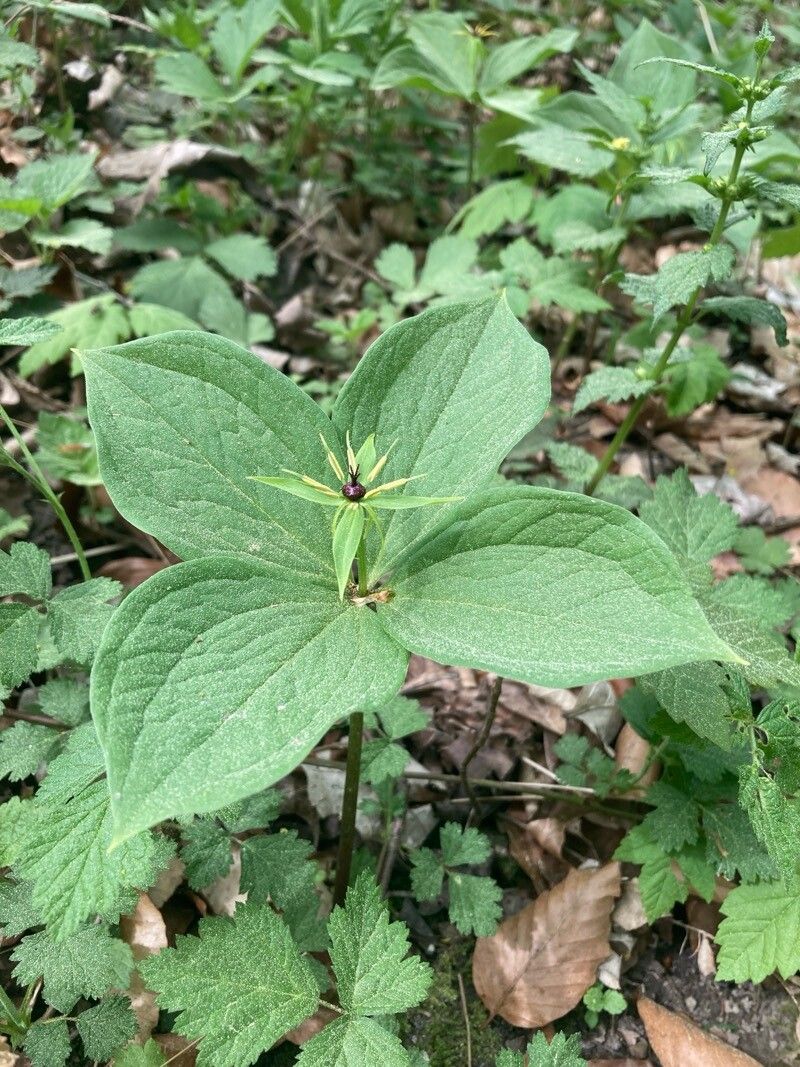
Hello there, fellow garden enthusiasts! Today, we’re going to talk about a truly fascinating plant: Paris quadrifolia, also known as True Love or Paris Herb. You know, the one with that single, striking flower at the top of its stem, often surrounded by four leaves? It has a quiet beauty, a bit mysterious, and I find it utterly captivating to watch it emerge from the ground each spring.
Propagating Paris quadrifolia is a wonderful way to share its unique charm. Honestly, for beginners, it’s not the absolute easiest plant to get going from scratch, but with a little patience and attention, you can absolutely have success. The reward of seeing your own little Paris sprout is immense!
The Best Time to Start
The sweet spot for propagating Paris quadrifolia is definitely late spring to early summer. This is when the plant is in its active growth phase, meaning it has plenty of energy to invest in developing new roots. You’re looking for established plants that have had a chance to truly settle in.
Supplies You’ll Need
Gathering your tools beforehand makes the whole process smoother. Here’s what I usually have on hand:
- Sharp, clean pruning shears or a sharp knife: For making clean cuts.
- A well-draining potting mix: I often use a blend of peat moss, perlite, and a bit of garden soil. You want something airy.
- Small pots or seed trays: With drainage holes, of course!
- Rooting hormone (optional but recommended): A good quality powder or gel can give your cuttings a helpful boost.
- A watering can with a fine rose: For gentle watering.
- A spray bottle: For misting.
- Labels: To keep track of what you’ve planted!
Propagation Methods
While Paris quadrifolia isn’t a prolific self-seeder, we can coax it into making more of itself using a couple of reliable methods.
1. Division (The Most Reliable Method)
This is hands-down the best way to increase your stock of Paris quadrifolia. You’re essentially splitting a mature plant into smaller ones.
- Gently excavate your mature plant. The best time is just as new growth is emerging in spring, or after flowering in late summer. Be very careful not to damage the rhizomes, which are the root-like structures beneath the soil.
- Loosen the soil around the base. You might need to use a trowel or even your hands.
- Carefully separate the rhizomes. Look for natural divisions. If a rhizome has a few healthy buds or shoots attached, that’s a good candidate for a new plant. You can use a clean knife to help make a clean cut if needed.
- Replant your divisions immediately. Pot them up in your well-draining mix. Make sure the rhizome is just barely covered with soil, with the buds pointing upwards.
- Water gently. Keep the soil consistently moist, but not soggy.
2. Stem Cuttings (A More Advanced Approach)
This method requires a bit more finesse, and success rates can be variable, but it’s worth a try!
- Take your cuttings in late spring or early summer. You’re looking for healthy, non-flowering stems.
- Make a clean cut just below a leaf node (where a leaf attaches to the stem). You want a cutting that’s about 3-4 inches long.
- Remove the lower leaves. Leave just one or two at the top.
- Dip the cut end in rooting hormone (if you’re using it). Make sure to tap off any excess.
- Gently insert the cutting into your moist potting mix. Make a small hole with a pencil or dibber first to avoid scraping off the rooting hormone.
- Water lightly.
- Create a humid environment. I like to cover the pot with a clear plastic bag or place it in a propagator. Make sure the leaves don’t touch the plastic.
The “Secret Sauce” (Pro Tips)
Here are a couple of things I’ve learned over the years that make a difference:
- When taking stem cuttings, don’t let the leaves touch the water if you try water propagation (which is less successful for this plant). They’ll just rot and drag your cutting down with them.
- For divisions, bottom heat can work wonders. If you have a propagation mat, placing your newly potted divisions on it can encourage root development. It mimics the warmth of spring soil beautifully.
Aftercare & Troubleshooting
Once your Paris quadrifolia divisions or cuttings show signs of new growth, you’re well on your way!
- Continue to keep the soil consistently moist but not waterlogged. This is crucial.
- Gradually acclimate any cuttings that were in a humid environment. Open the plastic bag a little more each day for a week.
- Avoid direct, harsh sunlight. Paris quadrifolia prefers dappled shade.
- The most common sign of failure is rot. This usually happens if the soil is too wet or not draining well. If you see mushy stems or leaves, it’s likely a goner. Don’t get discouraged – learn from it and try again with better drainage!
A Encouraging Closing
Growing new plants is always a journey, and Paris quadrifolia is no exception. Be patient with yourself and the process. Observe your cuttings, enjoy the small signs of life, and savor the satisfaction of nurturing your own little piece of this unique plant. Happy gardening!
Resource:
https://identify.plantnet.org/k-world-flora/species/Paris%20quadrifolia%20L./data