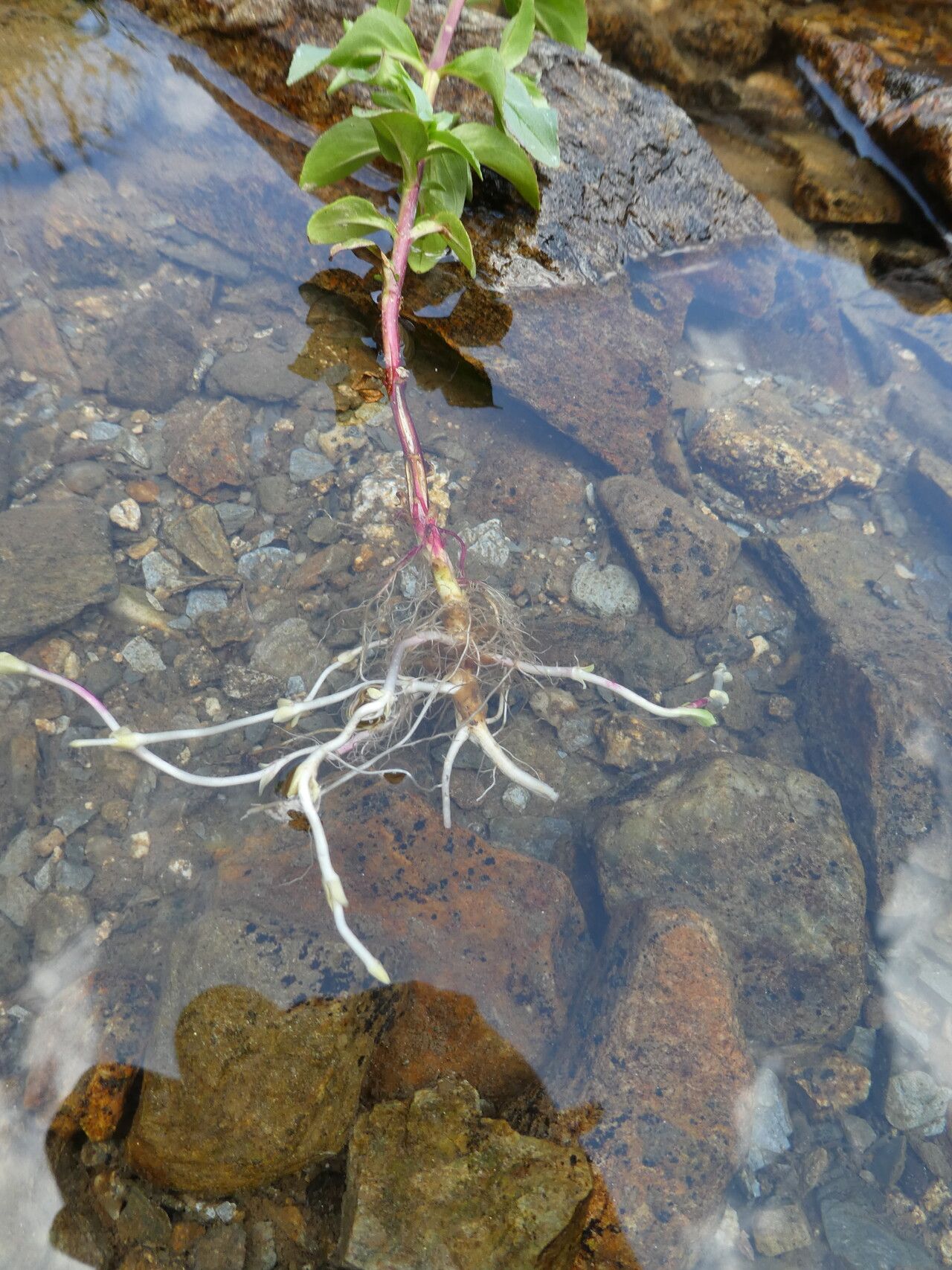
Hello there, fellow plant enthusiasts! I’m so happy you’ve found your way here. Today, we’re diving into the wonderful world of propagating Epilobium alsinifolium, also known as Chickweed Willowherb. If you’ve ever admired its charming, upright growth and delicate, often pink or purple flowers, you know just how special it is. And guess what? Bringing more of this beauty into your garden is absolutely achievable, even for those just dipping their toes into the world of propagation. It’s a really satisfying process, watching a little piece of plant transform into something new.
The Best Time to Start
For Epilobium alsinifolium, the sweet spot for propagation is definitely late spring to early summer. This is when the plant is actively growing, full of energy, and has plenty of healthy new shoots that are just begging to be given a new lease on life. Waiting until after the plant has finished its initial flush of spring growth means you’re working with robust, young material, which generally roots much more readily.
Supplies You’ll Need
Before we get our hands dirty, let’s gather our tools:
- Sharp, clean pruning shears or a sharp knife: For making clean cuts.
- Potting mix: A light, well-draining mix is crucial. I like to use a blend of equal parts peat moss or coco coir and perlite or coarse sand.
- Small pots or trays: Clean pots are essential to prevent disease.
- Rooting hormone (optional but recommended): This helps speed up root development. Look for one that contains IBA.
- Watering can or spray bottle: For gentle watering.
- Plastic bags or a propagation dome: To create a humid environment.
- Labels: To remember what you’ve planted!
Propagation Methods
Epilobium alsinifolium is quite generous when it comes to propagating. It’s most commonly and easily grown from cuttings.
Stem Cuttings
- Take Cuttings: In late spring or early summer, identify a healthy, non-flowering stem. Using your sharp shears, take cuttings that are about 4-6 inches long. Make your cut just below a leaf node (where the leaves attach to the stem).
- Prepare the Cuttings: Gently remove the lower leaves from the bottom inch or so of the cutting. This prevents them from rotting in the soil. If the remaining leaves are very large, you can cut them in half to reduce water loss through transpiration.
- Apply Rooting Hormone (Optional): Dip the cut end of the stem into a small amount of rooting hormone powder or gel, tapping off any excess.
- Planting: Fill your small pots or trays with your prepared potting mix. Make a hole in the center of the soil using a pencil or your finger.
- Insert Cuttings: Carefully insert the prepared cuttings into the holes, ensuring the nodes where you removed leaves are buried in the soil. Gently firm the soil around each cutting.
- Water and Cover: Water the soil thoroughly until it’s moist but not waterlogged. Cover the pots with a plastic bag or place them under a propagation dome to maintain high humidity. You can use stakes to keep the bag from touching the leaves. Place the pots in a bright spot that receives indirect sunlight.
Division
This method is best done in early spring as new growth begins to emerge, or in early autumn.
- Exfoliate the Plant: Carefully dig up the established plant. You want to disturb the roots as little as possible.
- Separate the Roots: Gently pulverize the root ball apart with your hands or use a clean trowel or knife to separate it into smaller sections. Each section should have a healthy portion of roots and at least one bud or shoot.
- Replant: Plant the divisions directly into their new locations in the garden or into pots filled with good potting soil. Water them well.
The “Secret Sauce” (Pro Tips)
Here are a few little tricks I’ve learned over the years that can really boost your success rates:
- Don’t let the leaves touch the water (if water propagating): While stem cuttings are usually done in soil, some people have success with water propagation. If you try it, make sure only the cut stem end is submerged, not any of the leaves, as they will rot quickly.
- Bottom Heat is Your Friend: If you have the setup, placing your pots on a gentle heat mat can significantly speed up root development, especially for those trickier cuttings. It mimics the warmth of the soil in summer.
- Patience with the Potting Mix: After planting cuttings, resist the urge to overwater. Slightly dry periods followed by a good watering can encourage roots to reach out for moisture, making them stronger.
Aftercare & Troubleshooting
Once roots have formed (you can gently tug on a cutting; if it resists, it has rooted!), it’s time to transition your new plant babies.
- Acclimatize: Gradually remove the plastic covering from your cuttings over a few days to help them adjust to normal humidity.
- Potting Up: Once roots are well-established and you see new leaf growth, you can transplant your new plants into slightly larger pots with a good quality potting mix.
- Watering: Water them regularly, but allow the top inch of soil to dry out between waterings.
- Troubleshooting: The most common issue you’ll face is rot. This usually happens from overwatering or poor drainage. If you see stems browning, yellowing, or turning mushy, it’s often a sign of too much moisture. If this happens, try to salvage any healthy parts if possible and adjust your watering. Another sign of trouble is wilting that doesn’t recover even after watering – this could indicate the cutting hasn’t rooted and is drying out, or it has rotted at the base.
A Warm Send-Off
Propagating Epilobium alsinifolium is a beautiful way to multiply your enjoyment of this plant. Don’t be discouraged if your first attempt isn’t perfect. Gardening is a journey of learning and observing. Be patient, enjoy the process of nurturing these tiny beginnings, and soon you’ll be rewarded with a garden full of happy Willowherb! Happy propagating!
Resource:
https://identify.plantnet.org/k-world-flora/species/Epilobium%20alsinifolium%20Vill./data