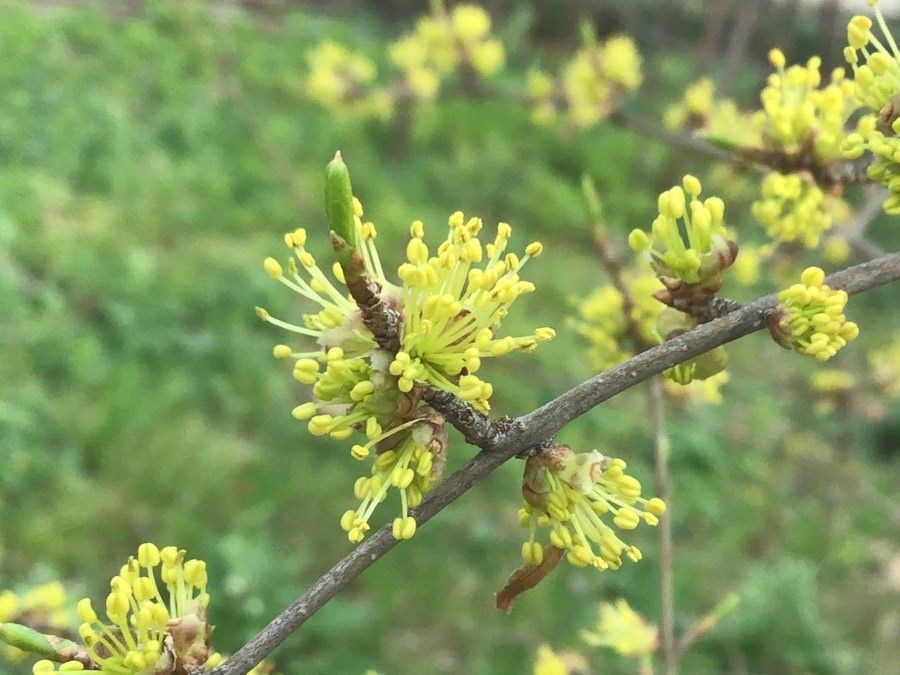
Alright, plant pals! Today, we’re diving into the wonderful world of propagating Forestiera pubescens, also known as Texas Privet or Elbowbush. Now, if you’ve ever admired this resilient native shrub with its graceful, arching branches and its knack for attracting all sorts of beneficial critters, you know exactly why I’m so excited to share this with you. Getting more of these beauties for free? That’s pure gardening joy!
For those of you just starting out on your propagation journey, I reckon Forestiera pubescens is a pretty forgiving plant to work with. It’s not overly fussy, and with a little understanding, you’ll be well on your way to a whole thicket of them. It’s genuinely rewarding to watch a tiny cutting transform into a robust plant – a true testament to nature’s magic.
The Best Time to Start
The sweet spot for propagating Forestiera pubescens is undeniably late spring to early summer. You’re looking for what we call “semi-hardwood” cuttings. This means the current season’s growth has started to firm up a bit – it’s not completely soft and floppy, but it’s not as woody and mature as a year-old stem either. Think of it like a sturdy pencil rather than a thin green sprout. Taking cuttings during this time gives them the best chance to establish roots before the heat of summer really kicks in or before growth slows down for winter.
Supplies You’ll Need
Here’s what you’ll want to gather before you begin:
- Sharp Pruning Shears or a Knife: Clean cuts are crucial for preventing disease and encouraging root formation.
- Rooting Hormone (Optional but Recommended): This little boost can significantly speed up root development. I prefer the powdered form for ease.
- Well-Draining Potting Mix: A good starter mix for cuttings often includes peat moss or coco coir, perlite, and vermiculite. Aim for something that doesn’t stay soggy.
- Small Pots or Propagation Trays: Clean containers with drainage holes are a must.
- Plastic Bags or a Propagation Dome: To create a humid environment for your cuttings.
- Water: For moistening soil and potentially for water propagation.
- Gloves: To keep your hands clean.
Propagation Methods
Let’s get our hands dirty! I’ve found two primary methods work wonders for Forestiera pubescens.
Method 1: Stem Cuttings (My Go-To)
- Take Your Cuttings: On a cool, cloudy morning is best, gently select stems that are about 4-6 inches long. Make a clean, angled cut just below a leaf node (where a leaf attaches to the stem). Remove the lower leaves, leaving just two or three at the very top.
- Prepare the Cutting: If you’re using rooting hormone, lightly dip the bottom 1-inch of the stem into it, tapping off any excess.
- Planting: Fill your small pots or trays with your prepared potting mix. Make a small hole with a pencil or your finger and gently insert the cutting, ensuring the leaf nodes are buried. Firm the soil gently around the stem. Thoroughly water the soil.
- Create Humidity: Cover the pots with a clear plastic bag, securing it loosely with a rubber band, or use a propagation dome. This traps moisture, which is vital for the cutting until it can develop its own roots. Place them in a bright location but out of direct sunlight.
Method 2: Water Propagation (Simple and Satisfying)
- Gather Cuttings: Follow the same steps as for stem cuttings (Step 1 above).
- Place in Water: Pluck off all the lower leaves, leaving only the top two. Place the cuttings in a clean jar or vase filled with lukewarm water. Make sure no leaves are submerged in the water – trim them off if they are.
- Location: Find a bright spot away from direct sun. Change the water every few days to keep it fresh and prevent bacterial growth.
- Rooting: You should start to see tiny white roots appearing in a few weeks. Once the roots are an inch or two long, you can carefully transplant them into your potting mix, just like you would a traditional cutting.
The “Secret Sauce” (Pro Tips)
Here are a couple of little tricks I’ve picked up over the years that make a real difference:
- Don’t Let Those Leaves Touch the Water! This is a big one for water propagation, but it applies to soil too. If leaves sit in stagnant water or overly damp soil, they’ll rot, and that’s the start of the end for your cutting. Keep them high and dry!
- A Gentle Warmth Boost: Forestiera pubescens roots seem to really appreciate a little warmth from below. If you have one, placing your pots on a propagation mat or even a slightly warm sunny windowsill (but remember, the cuttings themselves shouldn’t bake in direct sun) can encourage root development.
Aftercare & Troubleshooting
Once you see those first signs of roots – perhaps new leaf growth appearing or resistance when you gently tug on the cutting – it’s time to adjust their care.
- Gradual Acclimation: Slowly start to increase their exposure to light and gradually decrease the humidity. This means opening up the plastic bag a little more each day or removing your propagation dome for longer periods.
- Watering: Keep the soil consistently moist but not waterlogged. You’ll learn to read the soil – it should feel cool and slightly damp to the touch.
- Transplanting: Once your cutting has a good root system and is actively growing, you can transplant it into a slightly larger pot with your regular potting mix.
Now, what if things go wrong? The most common culprit is rot. If your cutting turns black and mushy, or if you see fuzzy mold on the soil surface, it’s usually a sign of too much moisture and poor air circulation. Sadly, at that point, it’s best to discard the affected cutting and start fresh, paying closer attention to your watering and humidity levels. Don’t get discouraged! It happens to the best of us sometimes.
A Encouraging Closing
Propagating Forestiera pubescens is a journey, not a race. Be patient with your little green babies. Watch for their subtle signs of life, adjust your care as needed, and celebrate every tiny success. There’s immense satisfaction in nurturing a plant from a simple stem clipping. Happy propagating, friends! I can’t wait to hear about your successes.
Resource:
https://identify.plantnet.org/k-world-flora/species/Forestiera%20pubescens%20Nutt./data