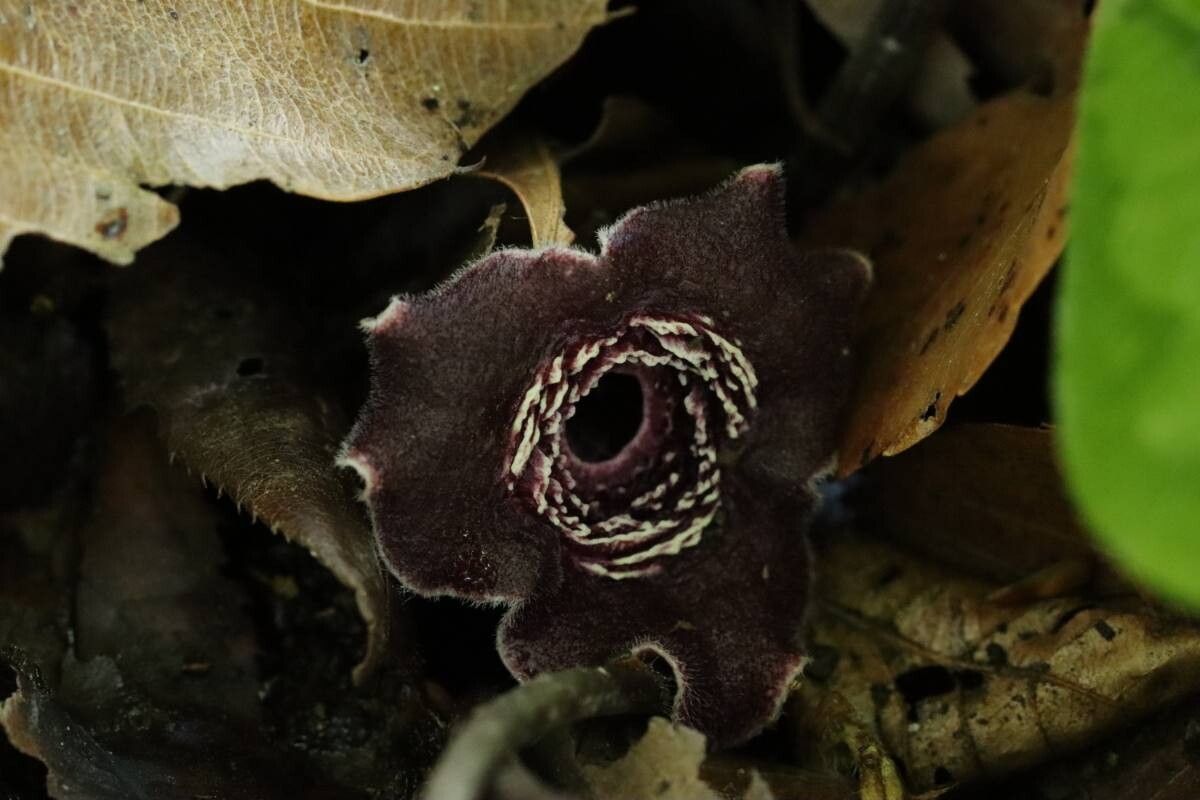
Oh, hello there! Come on in and pull up a chair. I’m so glad you’re interested in growing more of those gorgeous Asarum tamaense, or Japanese Wild Ginger, as some folks call it. I’ve been growing these beauties for two decades now, and let me tell you, they have a special place in my heart. Their deeply veined, heart-shaped leaves just have this elegant, understated charm that brings a touch of woodland magic to any shady spot.
Propagating them is a truly rewarding experience. Seeing a tiny cutting or a divided piece unfurl its first new leaf is a triumph! For beginners, I wouldn’t say Asarum tamaense is the easiest plant to propagate, but with a little patience and a few key steps, you’ll find it quite manageable. It’s more about understanding its subtle needs than battling stubbornness, you know?
The Best Time to Start
Timing is everything in gardening, and with Asarum tamaense, I’ve found the late spring to early summer is absolutely prime time. That’s when the plant is in full swing of its active growth. You’ll be able to take cuttings or divide clumps when they’re strong and ready to put on a growth spurt. Trying to do it when the plant is dormant is just asking for disappointment.
Supplies You’ll Need
Before we get our hands dirty, let’s gather what we need. It’s not complicated, but having everything ready makes the whole process smoother:
- Sharp Pruning Shears or a Clean Knife: For making clean cuts. Dull tools can bruise the stems.
- Potting Mix: A well-draining mix is crucial. I usually go for a blend of peat moss, perlite, and a bit of compost. You can also buy a good quality seedling mix.
- Small Pots or Trays: Clean containers with drainage holes are a must.
- Rooting Hormone (Optional but Recommended): A simple powder or gel can give your cuttings a significant boost.
- Plastic Bags or a Propagation Dome: To create a humid environment for cuttings.
- Watering Can with a Fine Rose: For gentle watering.
Propagation Methods
There are a couple of ways to go about increasing your Asarum tamaense collection. Division is usually the most straightforward for these plants.
Division
This is my go-to method for Asarum tamaense, especially with mature plants.
- Gently Excavate: In late spring or early summer, carefully dig up the entire plant. Try to keep as much of the root ball intact as possible.
- Inspect the Roots: Gently shake off excess soil. You’re looking for clumps or divisions that have their own distinct shoots and root systems.
- Separate the Divisions: Use your hands or a clean trowel to carefully tease apart the plant. If the roots are really intertwined, you might need to use your sharp shears or knife to make a clean cut through the root ball. The goal is to ensure each new division has a healthy amount of roots and at least one good-sized leafy shoot.
- Pot Them Up: Plant each division into its own pot filled with your well-draining potting mix. Water them in thoroughly.
Stem Cuttings
This method takes a bit more finesse, but it’s very satisfying.
- Select a Healthy Stem: Look for a vigorous, leafy stem from a plant that’s actively growing.
- Make the Cut: Using your sharp shears or knife, take a cutting about 3-4 inches long. Make the cut just below a leaf node (where a leaf attaches to the stem).
- Prepare the Cutting: Gently remove any leaves from the bottom half of the cutting. You can even scrape away a tiny bit of the outer layer of the stem just above the lowest leaf node – this encourages root formation.
- Apply Rooting Hormone (If Using): Dip the cut end of the stem into your rooting hormone, tapping off any excess.
- Plant the Cutting: Make a small hole in your potting mix with a pencil or your finger. Insert the cutting into the hole and gently firm the soil around it.
- Create Humidity: Water the pot gently. Then, cover the pot loosely with a plastic bag or place it under a propagation dome. This trapsthe humidity around the cutting, which is essential for root development. You can even stick a few stakes in the pot to keep the plastic off the leaves.
The “Secret Sauce”
Here are a couple of things I’ve learned over the years that make a big difference:
- My absolute favorite trick is to use a heat mat for cuttings inserted into soil. Asarum tamaense just loves a little bottom warmth to kickstart root growth. It doesn’t need to be super hot, just consistently warm.
- When doing water propagation (which I sometimes do for cuttings, though soil is generally better for these), never let the leaves touch the water. Only the submerged stem should be in contact with the water. Soggy leaves will just rot, and that’s a one-way ticket to disappointment.
Aftercare & Troubleshooting
Once your divisions are potted up or your cuttings have taken root, the real work begins!
For divisions, just keep them consistently moist but not waterlogged. They should perk up within a few weeks.
For cuttings, keep the humidity high. You can gently lift the plastic bag for a few minutes each day to allow for some air circulation, which helps prevent fungal diseases. When you see new leaf growth starting to emerge from the cutting, that’s a very good sign that roots have formed. Wait until you see that new growth before you start to acclimate them to lower humidity by gradually exposing them more to the air.
The biggest thing to watch out for is rot. If your cuttings suddenly turn black and mushy, or if divisions look wilted and the soil feels constantly soggy, it’s likely due to overwatering or poor drainage. If you see this happening, try to gently remove the affected part and ensure your soil is draining well and that you’re not watering too frequently. Sometimes, you just have to accept that not every propagation attempt is successful.
A Little Patience Goes a Long Way
Propagating plants is a wonderful way to connect with nature and multiply your garden treasures. Don’t get discouraged if your first few attempts aren’t perfect. Be patient, observe your plants, and enjoy the process of bringing new life into your garden. Happy growing, my friend!
Resource:
https://identify.plantnet.org/k-world-flora/species/Asarum%20tamaense%20Makino/data