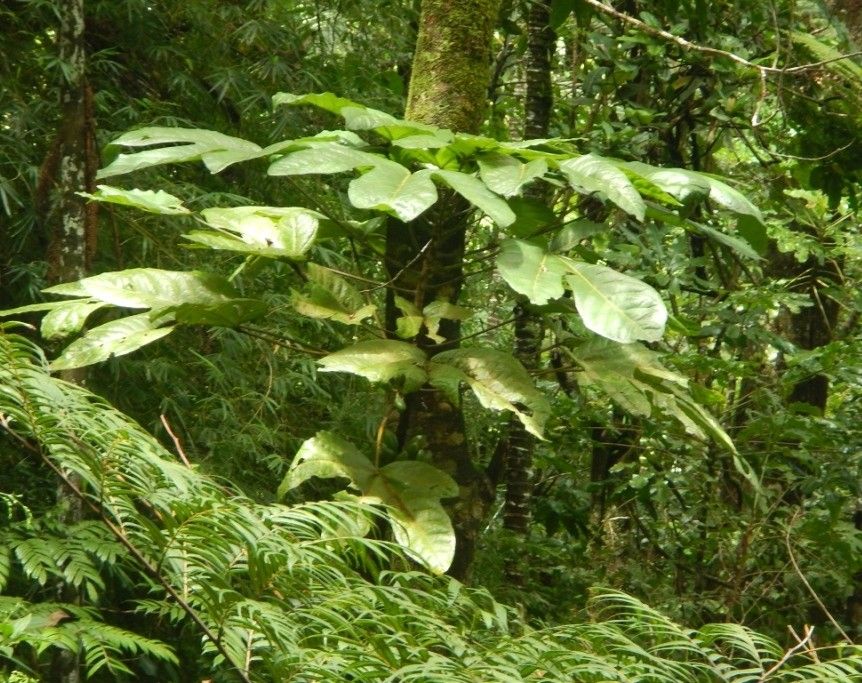
Hello, fellow plant enthusiasts! Today, we’re diving into the wonderful world of Acropogon austrocaledonicus, a gem that brings a touch of the exotic to any space. If you’ve ever admired its unique foliage and graceful habit, you’re in for a treat. Getting more of these beauties for yourself or to share is easier than you might think, and for me, it’s one of those incredibly rewarding gardening projects. For beginners, I’d say Acropogon austrocaledonicus is moderately easy to propagate. It’s not as hands-off as some succulents, but with a little attention, you’ll be successful.
The Best Time to Start
The sweet spot for propagating Acropogon is during its active growing season. Think late spring through early summer. This is when the plant is putting out lots of new energy and ready to put it into developing roots. Starting when the plant is robust and healthy will give you the best chance of success.
Supplies You’ll Need
Gathering your supplies beforehand makes the whole process smoother. Here’s what I usually have on hand:
- Sharp, clean pruning shears or a sharp knife: Essential for clean cuts that heal quickly.
- Rooting hormone (optional but recommended): A little boost can significantly speed up root development. Look for one with IBA.
- Well-draining potting mix: My go-to is a blend of perlite, coco coir, and a bit of good quality potting soil. You want excellent aeration.
- Small pots or propagation trays: Clean pots are a must to avoid disease.
- Clear plastic bags or a propagation dome: To create a humid environment for cuttings.
- Watering can with a fine rose or spray bottle: For gentle watering.
Propagation Methods
There are a couple of ways you can multiply your Acropogon. I find stem cuttings to be the most reliable method.
1. Stem Cuttings:
This is my favored technique for Acropogon. It yields the best results with minimal fuss.
- Select healthy stems: Look for mature, but not woody, stems that are actively growing. You want stems that are firm and have good green color.
- Take your cuttings: Using your sharp pruning shears or knife, take cuttings that are about 4-6 inches long. Make your cut just below a leaf node – that’s the spot where a leaf joins the stem, as this is where roots often emerge.
- Prepare the cuttings: Gently remove the lower leaves from the cutting, leaving just a few at the top. This prevents them from rotting in the soil. If the leaves are very large, you can even consider cutting them in half to reduce water loss.
- Apply rooting hormone (optional): Dip the cut end of the stem into your rooting hormone powder or gel, tapping off any excess. This step really gives your cutting a head start.
- Plant your cuttings: Fill your small pots or trays with your well-draining potting mix. Make a hole with your finger or a pencil, and insert the cut end of the stem. Firm the soil gently around the base of the cutting to ensure good contact.
- Water gently: Water the soil thoroughly until you see water draining from the bottom of the pot.
2. Water Propagation:
While I prefer soil for Acropogon, water propagation can work too, especially if you’re monitoring closely.
- Take cuttings: Follow the same steps as above for selecting and preparing stem cuttings.
- Place in water: Submerge the cut end of the stem in a clean jar or glass of water. Make sure no leaves are touching the water. You can support the stem with a toothpick if needed.
- Change water regularly: Change the water every few days to keep it fresh and prevent bacterial growth.
- Wait for roots: Roots should start to appear in a few weeks. Once they are about an inch long, you can transition them to soil using the method described above. Be aware that water roots can be fragile, so be patient when planting.
The “Secret Sauce” (Pro Tips)
Here are a few little tricks I’ve learned that can make a big difference:
- Humidity is your friend: Acropogon loves a humid environment, especially when it’s trying to root. After planting your cuttings, cover the pot with a clear plastic bag, like a mini-greenhouse effect. You can secure it with a rubber band. Make sure the leaves aren’t directly touching the plastic. Alternatively, a propagation dome works wonders.
- Don’t be afraid of bottom heat: If you have a seedling heat mat, placing your pots on it can really speed up root development. It mimics the warm soil conditions the plant loves and encourages faster growth. Just be sure to monitor moisture carefully as the heat can dry out the soil quickly.
- Air circulation matters too: While humidity is key, stagnant air can lead to fungal issues. If you’re using a plastic bag, open it for a few minutes each day to allow for fresh air exchange.
Aftercare & Troubleshooting
Once your cuttings have started to develop roots – you’ll know because you’ll see new growth or feel resistance when you gently tug on the stem – it’s time for slightly different care.
- Gradual transition: If you used a humidity tent, gradually remove it over a week or so to acclimate your new plant to drier air.
- Watering: Continue to water when the top inch of soil feels dry. Avoid overwatering, as this is a common cause of rot, which looks like mushy, black stems.
- Light: Place your new Acropogon in bright, indirect light. Avoid direct sun, especially when it’s young and vulnerable.
- Troubleshooting: The most common issue is rot. If you see wilting that’s not due to dryness, or that black, mushy appearance, it’s likely rot from too much moisture or poor drainage. In this case, you might need to try again with fresh cuttings and ensure your soil drains exceptionally well. Another sign of failure is a cutting that simply shrivels and dies without any root development. This could be due to lack of humidity, insufficient light, or an unhealthy cutting to begin with.
A Little Patience Goes a Long Way
Propagating plants is a journey, not a race. There will be times when things don’t go as planned, and that’s perfectly okay. Learn from it, adjust your technique, and try again. The joy of nurturing a tiny cutting into a thriving plant is one of the most fulfilling aspects of gardening. So, grab your shears, get a little dirt under your nails, and enjoy the process of bringing more of these beautiful Acropogon into your life! Happy growing!
Resource: