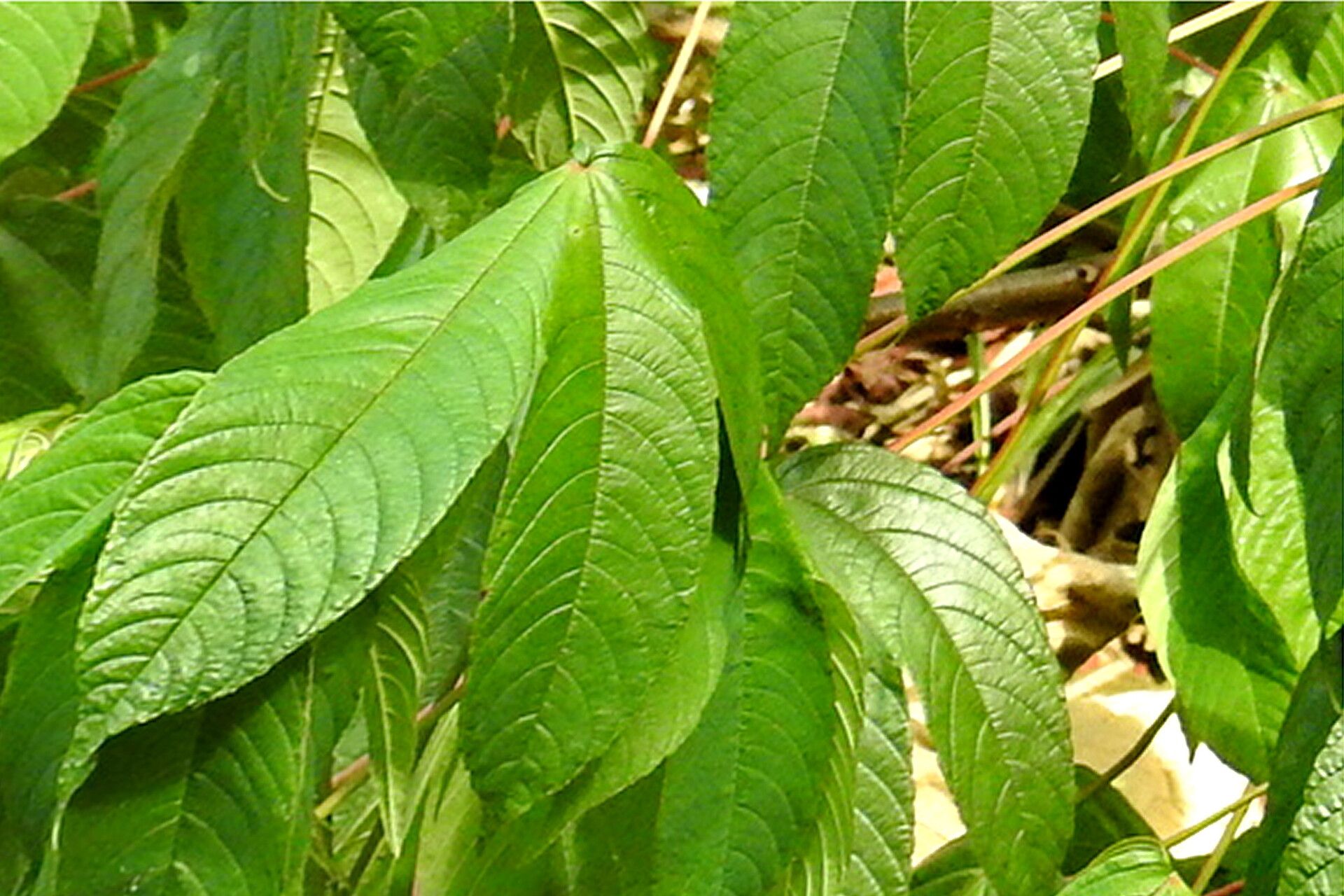
Oh, hello there! Gather ’round, grab a cup of tea, and let’s chat about one of my absolute favorite flowering trees: Cochlospermum religiosum, often called the Golden Silk Cotton Tree. Isn’t it just spectacular? Those vibrant golden-yellow blossoms that erupt in masses, usually when the tree is bare of leaves, create such a breathtaking display. It’s truly a showstopper in any garden.
Why propagate it yourself, you ask? Well, for me, it’s about sharing that beauty, about multiplying the joy. Plus, there’s a special kind of satisfaction in nurturing a tiny cutting into a flourishing new tree. Now, is it a walk in the park for absolute beginners? I’d say it leans towards moderately easy, but with a few key pointers, you’ll be golden.
The Best Time to Start
Timing is everything in gardening, and with our Golden Silk Cotton, the sweet spot is usually late spring or early summer. This is when the plant is in a vigorous growth phase, making it more receptive to new beginnings. Look for woody growth that’s mature enough but not too old and stiff. Think of it as taking cuttings from a slightly older, sturdy branch rather than a brand-new, tender shoot.
Supplies You’ll Need
To get started on your propagation adventure, here’s what I always have on hand:
- Sharp Pruning Shears or a Clean Knife: For making nice, clean cuts.
- Rooting Hormone: A little boost can make a world of difference. I prefer the powdered kind.
- Well-Draining Potting Mix: A mix of peat moss, perlite, and a bit of compost works wonders. You can also use a cactus/succulent mix.
- Small Pots or Seed Trays: With drainage holes, of course!
- Plastic Bags or a Clear Plastic Dome: To create that humid environment.
- Watering Can with a Fine Rose: For gentle watering.
- Optional: Bottom Heat Mat: This can really speed things up, especially if your space is a bit cool.
Propagation Methods
Let’s get our hands dirty, shall we? We’ll focus on stem cuttings, which I find to be the most reliable for Cochlospermum religiosum.
Stem Cuttings
- Select Your Cuttings: Head out to your tree and look for those ideal branches we talked about. You want sections that are about 6-8 inches long. Make your cut just below a leaf node (where a leaf attaches to the stem).
- Prepare the Cuttings: Carefully remove the lower leaves, leaving just a few at the very top. This prevents them from rotting in the soil. You can also make a shallow slit (about an inch long) up the bottom of the stem; this exposes more surface area for rooting.
- Apply the Rooting Hormone: Dip the cut end of the stem into your rooting hormone, tapping off any excess. This is like giving your cutting a little energy drink to encourage root growth.
- Plant Your Cuttings: Fill your small pots with your moistened, well-draining potting mix. Make a small hole with your finger or a pencil, and carefully insert the cutting, ensuring the leaf nodes are below the soil surface. Gently firm the soil around the stem.
- Create a Humid Environment: This is crucial! Place the potted cuttings into a plastic bag, tenting it loosely over the pot, or cover the pot with a clear plastic dome. This traps moisture. Make sure the plastic bag doesn’t touch the leaves.
- Find a Warm Spot: Place your pots in a location with bright, indirect light. Avoid direct, scorching sun.
The “Secret Sauce” (Pro Tips)
Now for a couple of things I’ve learned over the years that make a difference:
- Don’t Overwater! This is probably the biggest pitfall. The soil should be consistently moist, but never waterlogged. Let the top inch of soil dry out slightly between waterings. Soggy soil is the fast track to rot, and we definitely don’t want that.
- Bottom Heat is Your Friend: If you have it, use a bottom heat mat. This gentle warmth from below mimics ideal growing conditions and can significantly speed up root development. I’ve found it makes a noticeable difference, especially in cooler months or less sunny spots.
- Patience is a Virtue (and a Requirement!): Don’t be tempted to pull your cuttings up every few days to check for roots. You’ll disturb delicate new growth. Give them at least 4-6 weeks, sometimes longer, before you gently tug.
Aftercare & Troubleshooting
Once you feel a resistance when you gently tug – congratulations, roots!
- Gradual Acclimatization: Your new baby needs to get used to life outside its humid little bubble. Slowly open the plastic bag or dome over a few days, giving it time to adjust to the drier air.
- Continue Gentle Watering: Keep the soil moist, but not wet.
- Fingers Crossed for Growth: You’ll know the roots are established when you see new leaf growth appearing.
What if things go wrong? The most common issue is rot. If your cutting turns black and mushy, it’s likely succumbed to too much moisture or a pathogen. You might also see wilting, but this can be due to lack of roots or too much direct sun. Don’t be discouraged by a few failures; it’s all part of the learning curve. Just try again!
So there you have it. Propagating the Golden Silk Cotton Tree is a rewarding journey. It takes a little bit of care, a sprinkle of patience, and a whole lot of hope, but the result – those glorious golden blooms multiplied – is absolutely worth it. Happy propagating, my friends! You’ve got this.
Resource:
https://identify.plantnet.org/k-world-flora/species/Cochlospermum%20religiosum%20(L.)%20Alston/data