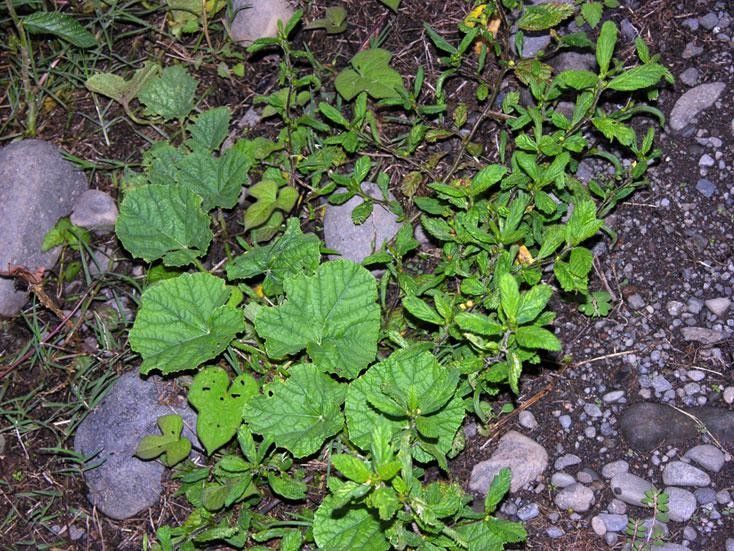
Hey there, fellow plant lovers! I’m so excited to talk to you today about a real gem in the garden: Sida hirsutissima. If you’re looking for a plant that brings a touch of wild beauty with its delicate, often velvety flowers and lovely foliage, you’re in for a treat. Propagating these beauties is incredibly rewarding. You get to share them with friends, fill in gaps in your own garden, or just enjoy the satisfaction of nurturing new life. Now, I’ll be honest, Sida hirsutissima isn’t the absolute easiest plant for a complete beginner, but with a little guidance, you’ll be a pro in no time!
When to Get Your Hands Dirty
The sweet spot for propagating Sida hirsutissima is generally in late spring to early summer. This is when the plant is vigorously growing. You want to take cuttings from new, healthy stems that are not yet woody. Think of it as grabbing a lively, youthful piece of the plant – it has the most energy to put into developing roots!
Your Propagation Toolkit
Gathering your supplies beforehand makes the whole process smoother:
- Sharp Pruning Shears or a Clean Knife: For taking neat, precise cuttings.
- Rooting Hormone (Optional but Recommended): A powder or gel that encourages faster and stronger root development.
- Small Pots or Seed Starting Trays: With good drainage holes.
- A Well-Draining Potting Mix: I like to use a blend of peat moss or coco coir, perlite, and a little bit of compost. This ensures good aeration and prevents soggy soil.
- Watering Can or Mist Bottle: For gentle watering.
- Clear Plastic Bags or a Propagator Lid: To create a humid environment.
Let’s Get Propagating!
We’ll focus on a couple of reliable methods for Sida hirsutissima.
Stem Cuttings
This is my go-to method for many of my favorite perennials.
- Take Your Cuttings: In late spring or early summer, select a healthy, non-flowering stem. Using your sharp shears, cut a piece about 4-6 inches long. Make your cut just below a leaf node (the point where a leaf grows from the stem).
- Prepare the Cuttings: Gently remove the leaves from the lower half of the cutting. You want to leave just a couple of leaves at the top to catch sunlight. If the remaining leaves are very large, you can cut them in half to reduce water loss.
- Apply Rooting Hormone: Dip the cut end of the stem into your rooting hormone, tapping off any excess.
- Pot Them Up: Fill your clean pots with your prepared potting mix. Make a small hole with your finger or a pencil and insert the cutting, ensuring the nodes you removed leaves from are buried in the soil. Gently firm the soil around the stem.
- Create Humidity: Water the soil gently. Then, cover the pot with a clear plastic bag (supported so it doesn’t touch the leaves) or place it inside a larger propagator with a lid. This traps moisture and mimics the humid environment cuttings crave.
- Place Them Wisely: Put the pots in a bright location, but out of direct, scorching sunlight. A warm spot is ideal.
Water Propagation (for some varieties)
While not always as successful as soil propagation for all Sida species, it’s sometimes worth a try, especially if you’re looking for a quick way to see root formation.
- Select and Prepare: Take cuttings as described above, removing only the lower leaves.
- Place in Water: Fill a clean jar or glass with fresh water. Crucially, make sure no leaves are submerged in the water. This prevents them from rotting.
- Watch and Wait: Place the jar in a bright spot, out of direct sun. Change the water every few days to keep it fresh. You should start to see tiny white roots appearing in a few weeks.
- Transplant When Ready: Once the roots are about an inch long, carefully transplant them into your well-draining potting mix. Treat them as you would newly potted stem cuttings.
My Little “Secret Sauce”
Here are a few tricks I’ve picked up over the years:
- The “Heel” Trick: Sometimes, taking a cutting with a small piece of the older stem attached (a “heel”) can give it a better start. Carefully tear or cut the new stem from the parent plant in a way that includes a tiny sliver of the mature stem. This can sometimes jump-start rooting.
- Bottom Heat is King: If you have the option, using a propagation mat that provides gentle warmth from below can significantly speed up root development and increase success rates, especially for stem cuttings. It mimics the warmth of spring soil.
- Don’t Rush the Transplant: Patience is key! When propagating in soil, don’t be tempted to tug on the cutting to see if it has roots. Instead, look for signs of new leaf growth at the tip. This usually indicates that roots have formed.
Loving Your New Sprouts
Once you see those roots developing – hooray!
- For Stem Cuttings: Gradually acclimate your rooted cuttings to normal air by opening the plastic bag or propagator lid for progressively longer periods over a week. Then, you can remove the cover entirely. Continue to keep the soil consistently moist but not waterlogged. You’ll know they are really settled when new growth really takes off.
- For Water Cuttings: Once transplanted, treat them with the same care as above. Keep the soil moist and provide that lovely bright, indirect light.
Uh Oh, What’s Going Wrong?
Sometimes, things don’t go perfectly. The most common culprit is rot. This happens from too much moisture and not enough air circulation. If you see your cutting turning mushy and dark, it’s likely rotted. Prevent this by ensuring excellent drainage in your soil and not overwatering. Yellowing leaves without root development might mean it’s not getting enough light, or the cutting is just struggling. Don’t be discouraged; just try again!
Propagating plants is such a beautiful journey. It teaches us about rhythm, patience, and the incredible power of nature. Enjoy the process, celebrate every tiny root you see, and know that you’re creating something truly special. Happy gardening!
Resource:
https://identify.plantnet.org/k-world-flora/species/Sida%20hirsutissima%20Mill./data